The View From My Deck – A Photographic Essay

 A Special Interest Article by Paul Gagner

I like to be outside…. a lot. Photography is my way of connecting to the wonder and beauty of nature.  The majority of these photos were taken from my deck. Step onto the deck, take four steps and shoot….
DSC_1155

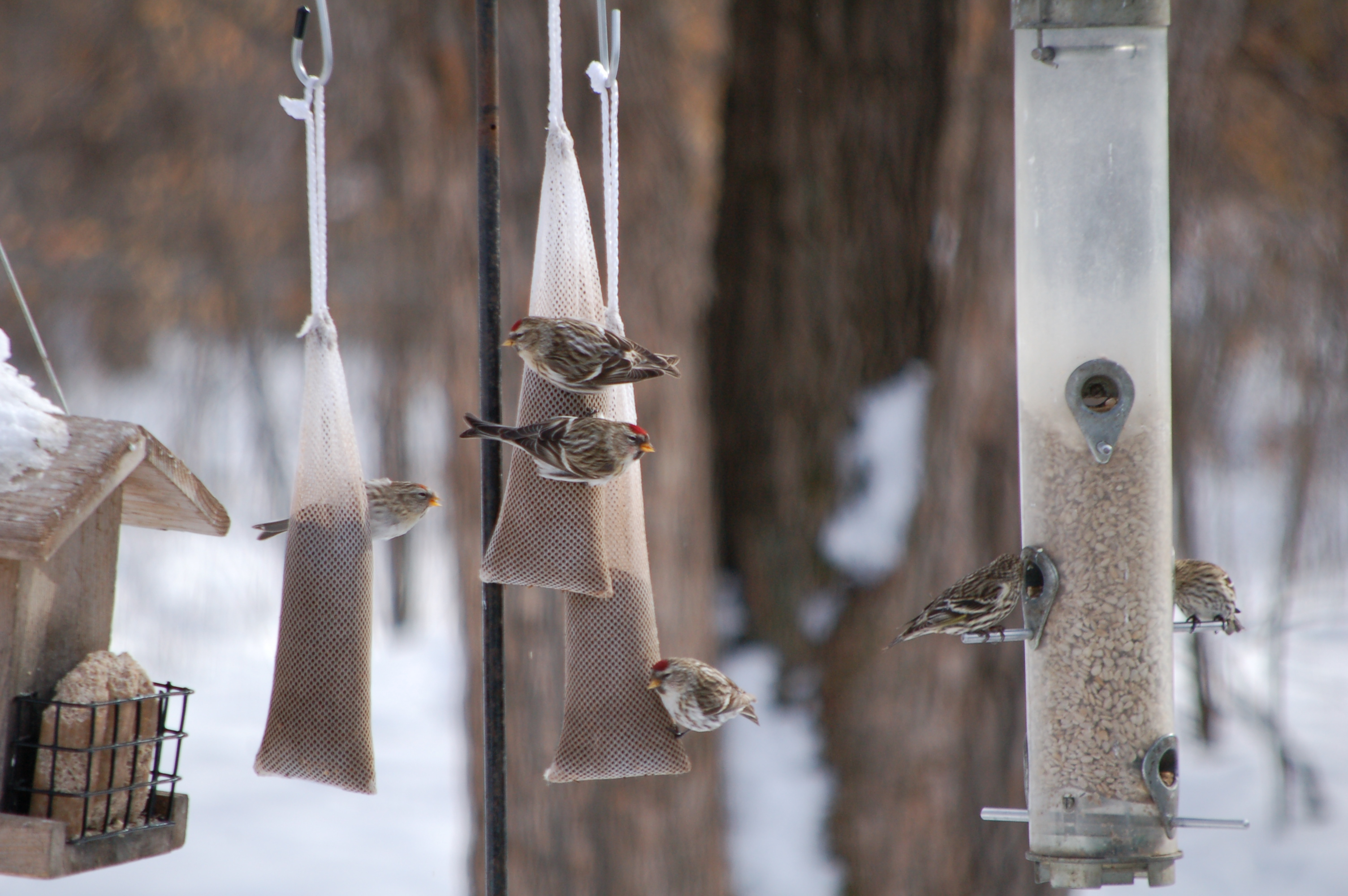
Red Polls

They are handsome fellows with their red caps. The males are feeding on niger seed and the females are feeding on sunflower pieces. They always seem so peaceful and not quite as edgy as Goldfinches and they do not mind being photographed. I have had as many as thirty at one time !

Red Bellied Woodpecker

Red Bellied Woodpecker


Red Bellied Woodpeckers are skittish and wary when feeding. Beautiful ladder marks and a fiery orange cap! He is eating a custom mix, but is selecting the sunflower hearts and peanuts from the mix. Red bellied woodpeckers fly in a cool staccato flight pattern (a characteristic trait of woodpeckers). I see a lot of these all year round.


Pileated Woodpeckers

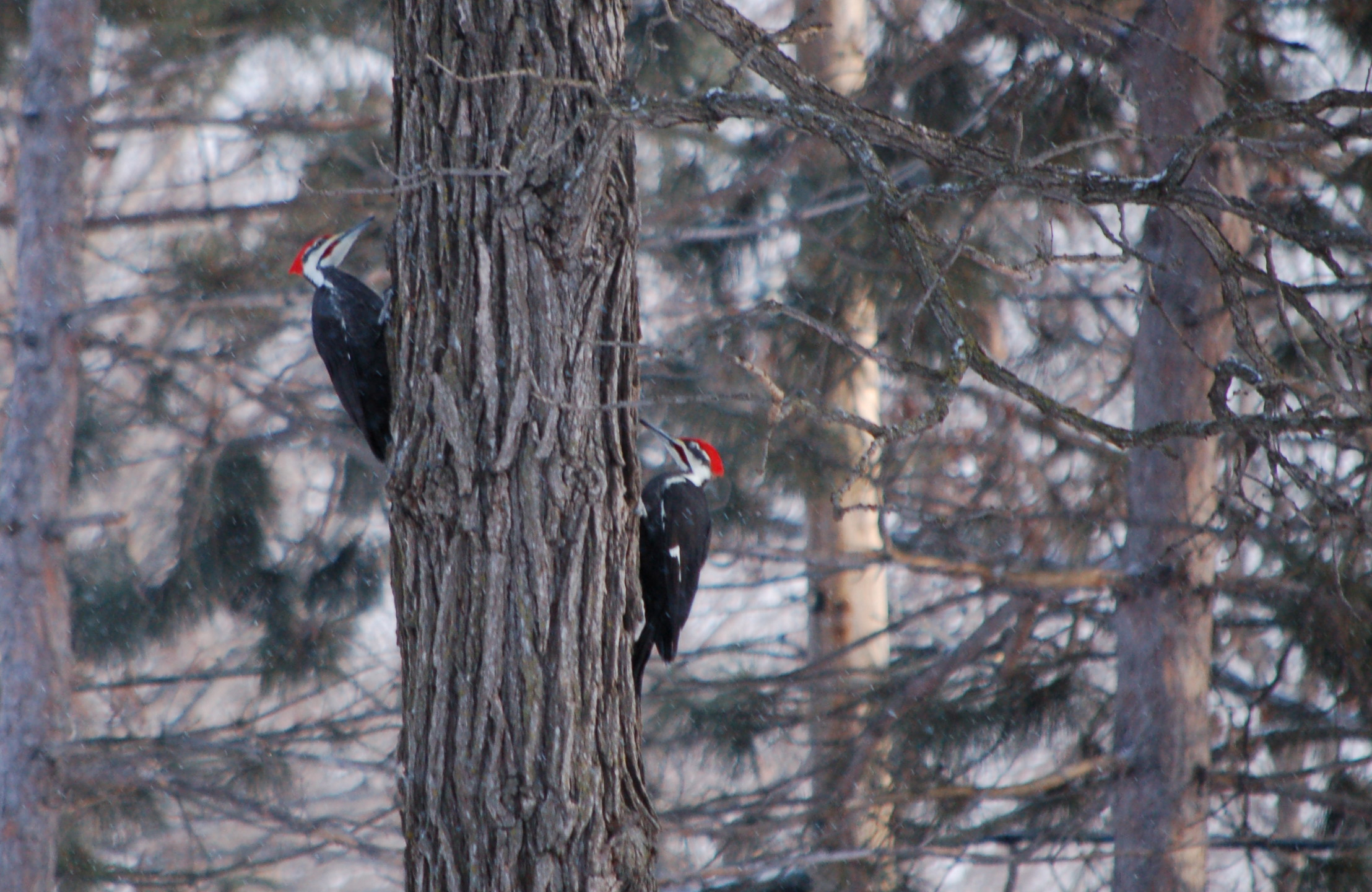
Pileated Woodpeckers

Pileated woodpeckers:  I thought that this might be a parent teaching a youth to forage. More than likely they are a pair?

Anyway , they had a grand time playing hide and seek around the base of the oak. They would circle the tree upward and then move to another tree. We have 12 oaks in the back yard, so no shortage of play and forage area for the birds. The Pileated, like a number of other birds, seem to  pick out another bird’s stash under the bark from time to time (perhaps, they stashed it themselves). With the bright red crest and white hood they become striking, majestic and appear to be somewhat prehistoric.

Wood Duck

Wood Duck

I had never seen a wood duck perch on such a thin branch. I do know they nest in boxes on trees but found it amusing to see him perch like that. Again, I was standing on the deck when I took this photo! We are very fortunate to have such a great area to attract all these birds and animals. The male wood ducks are incredibly beautiful. Vibrant colors, green , brown, buff. They seem to be very proud of their “clothes”.

He flew away as soon as I snapped the picture. The wood ducks in this area start  their lives at small woodland pond in Evergreen park (as far as I can tell). I suppose they really could be from anywhere around here though.

DSC_1316

A scene to the south of our house.

8:00 a.m. seems to be a great time to get good light for photos. I wanted to get the light on the trees and timed it from the previous morning so I could achieve that.
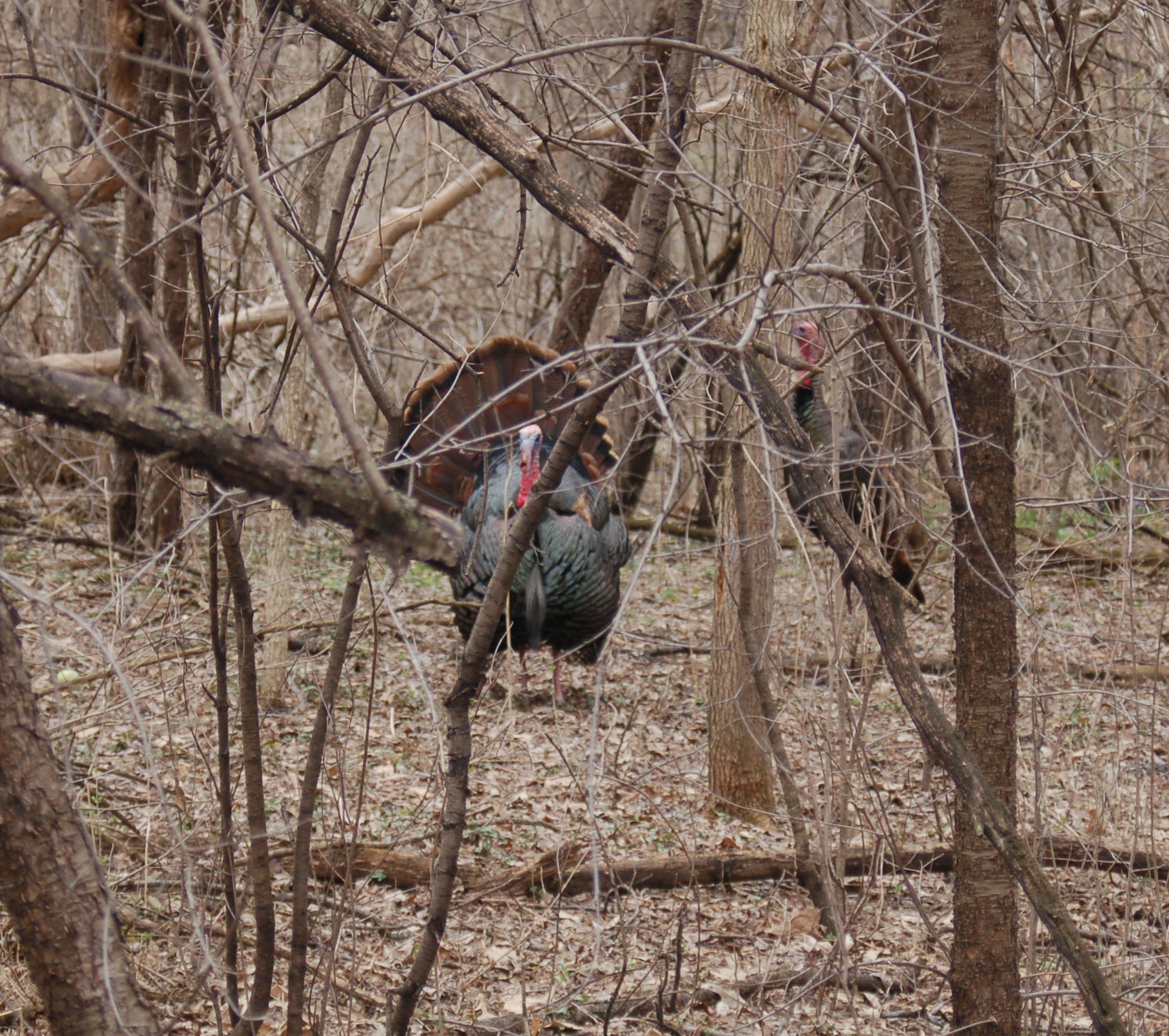
 

Tom Turkey displaying

Tom Turkey displaying

 Tom fluffed!

 We have had as many as 24 turkeys cruising through our yard at once. They have a pretty broad range and are very prevalent throughout the area. All you need to do is look. This shot was taken in mid-spring and later in the day. I was standing off the deck for this photo (It was exhausting having to walk ten more feet!)
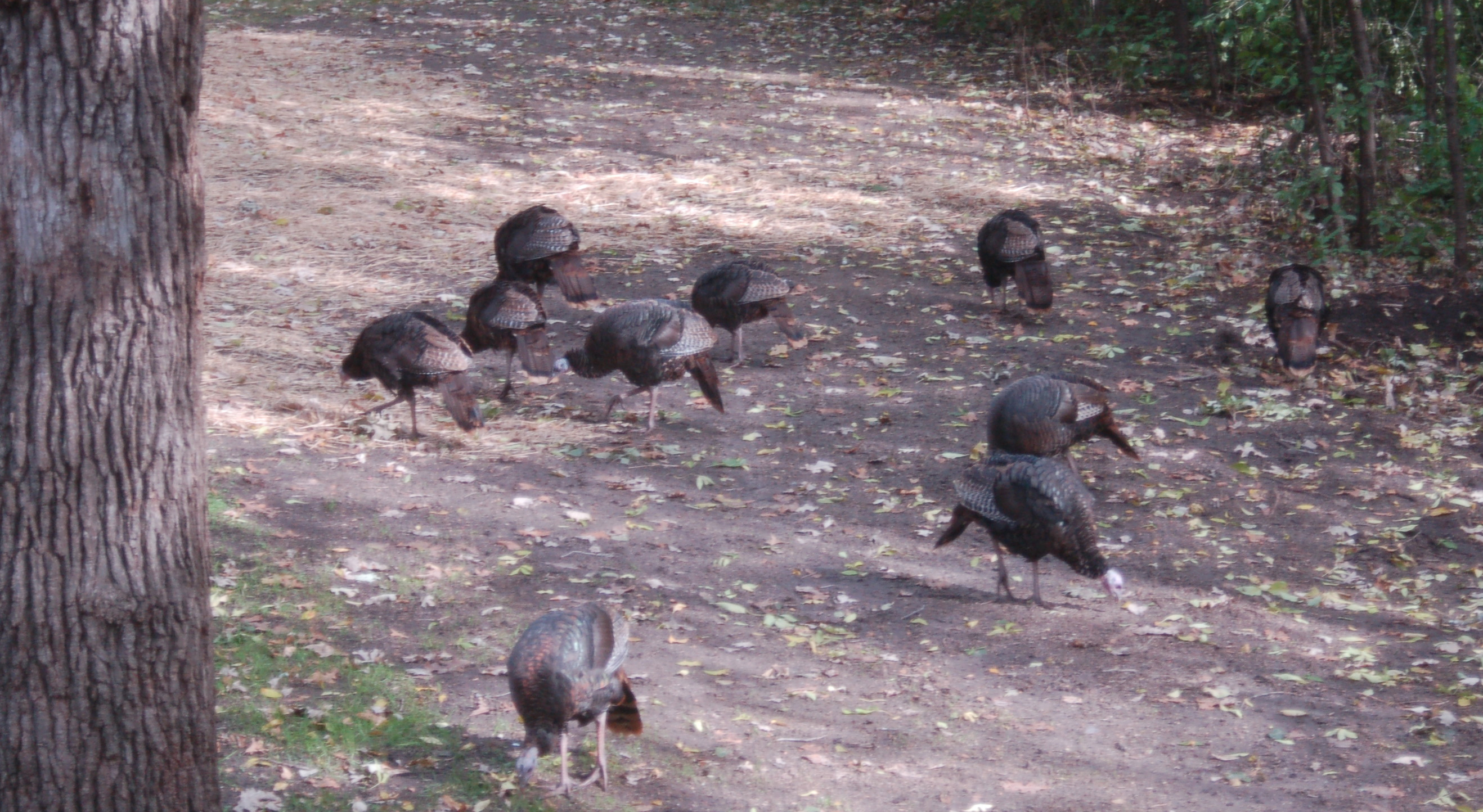
 

Turkeys Feeding

Female turkeys Feeding


Ladies brunch

Not sure if they were eating gravel or bugs.
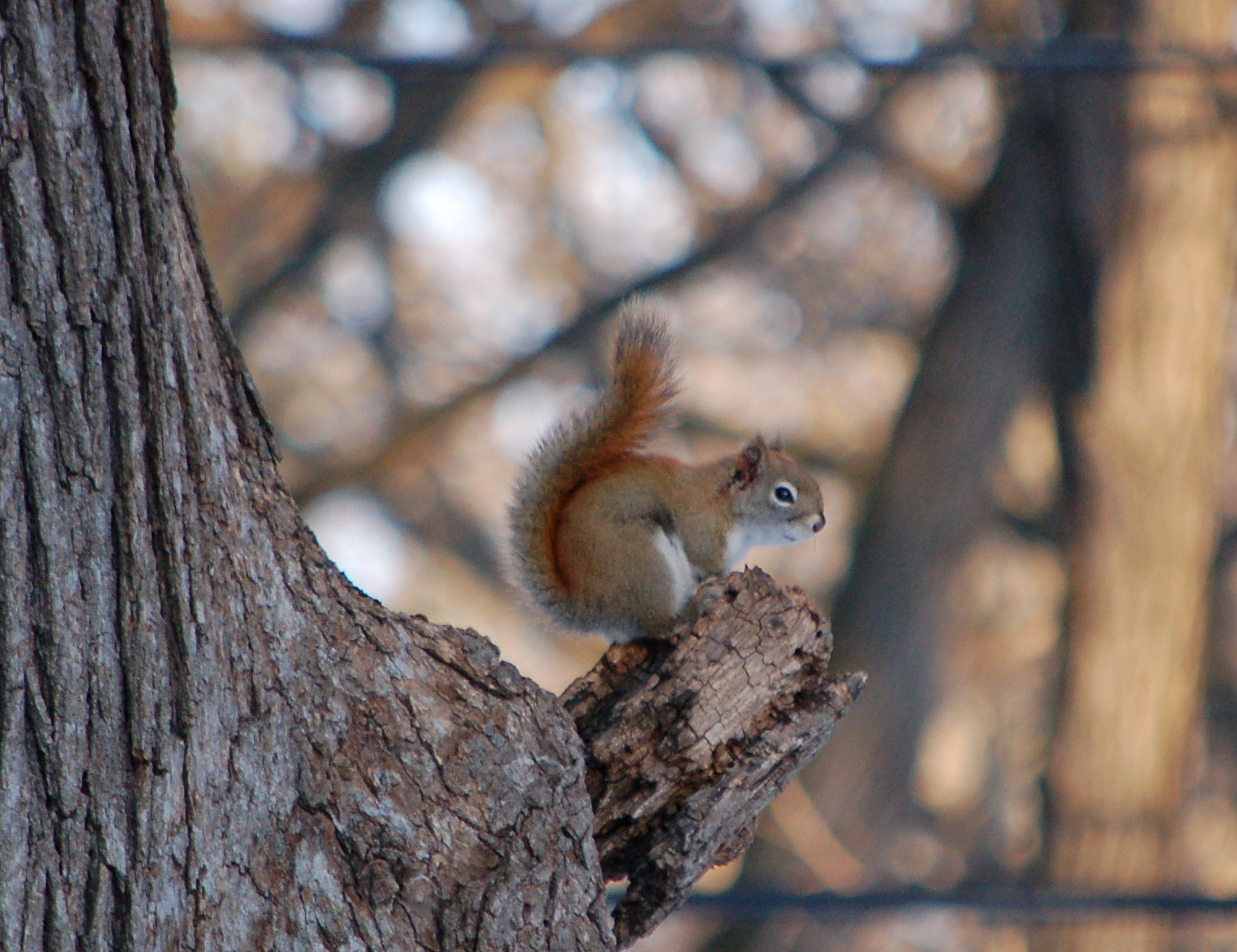


Red Squirrel

Red Squirrel diggin’ the sun.


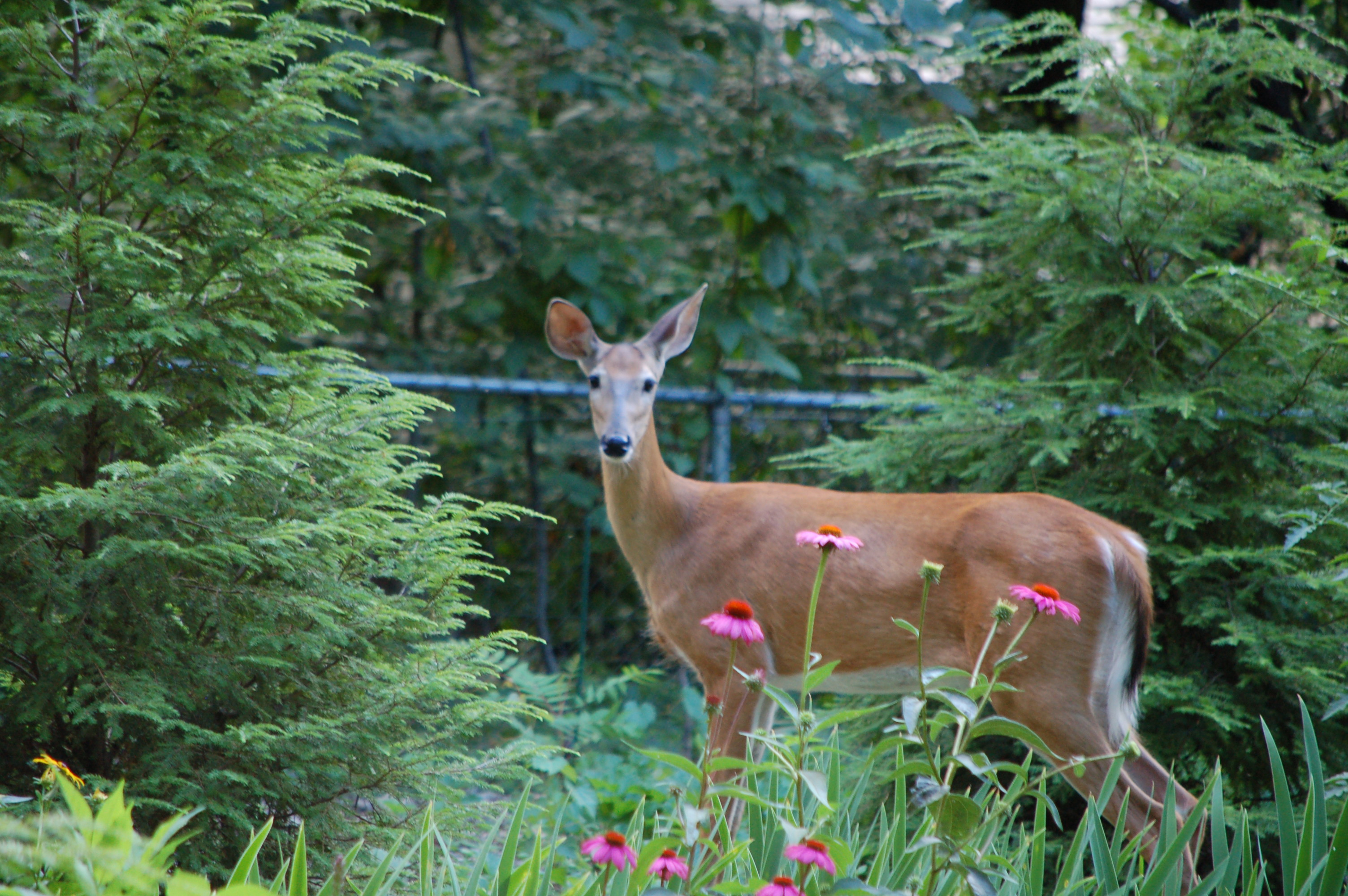
Doe

A doe, 2 years old? She was feeding on the violets on the ground and looked up when I made a small peep. We have had many, many deer come through. When the time is right, I can always count on a fawn photo, as well.
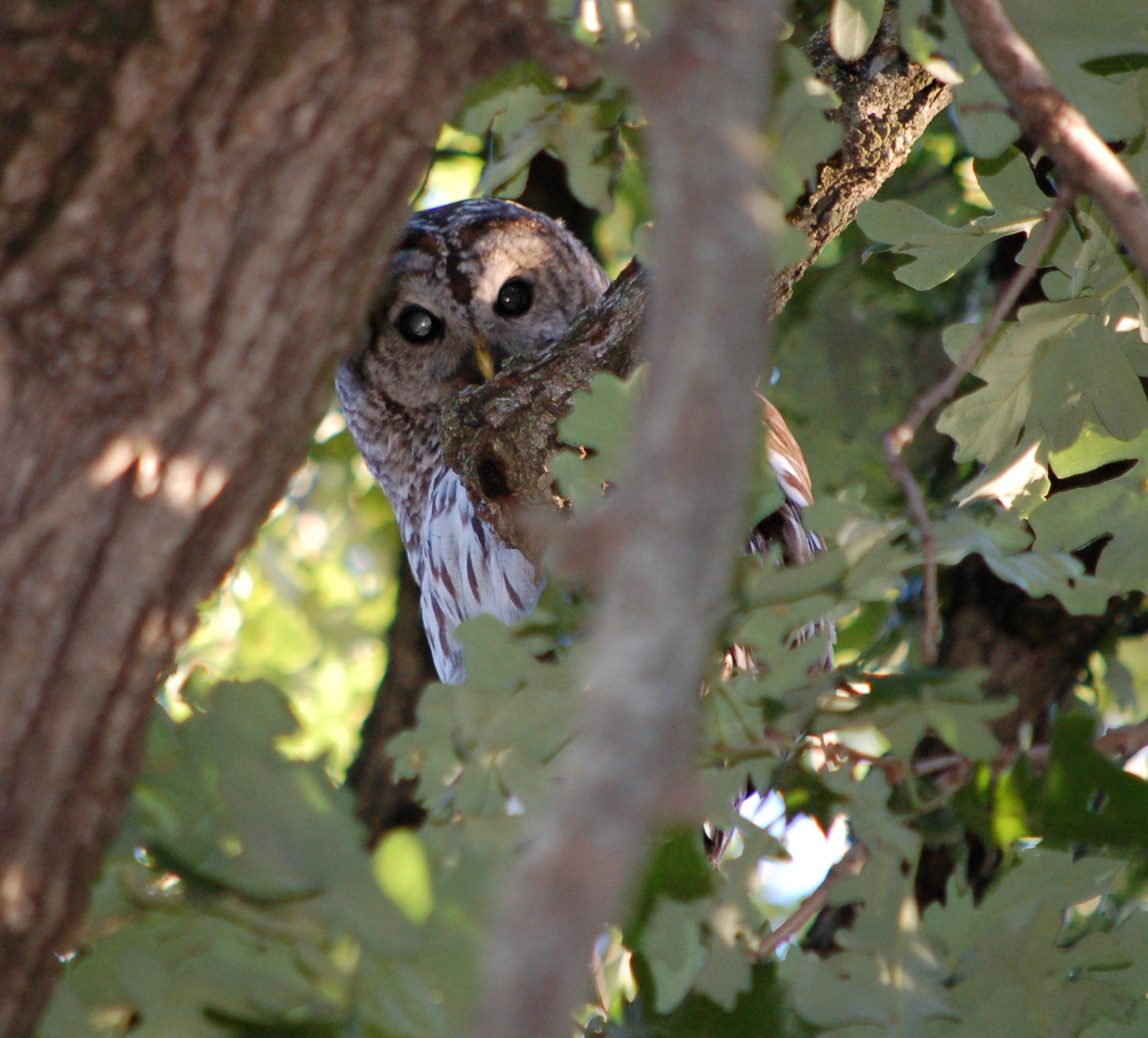
barredOwl

Barred Owl

This owl was watching my cat very intently. I retouched the eyes as they had “red-eye” that actually looked as though the owl was burning a hole through the cat.
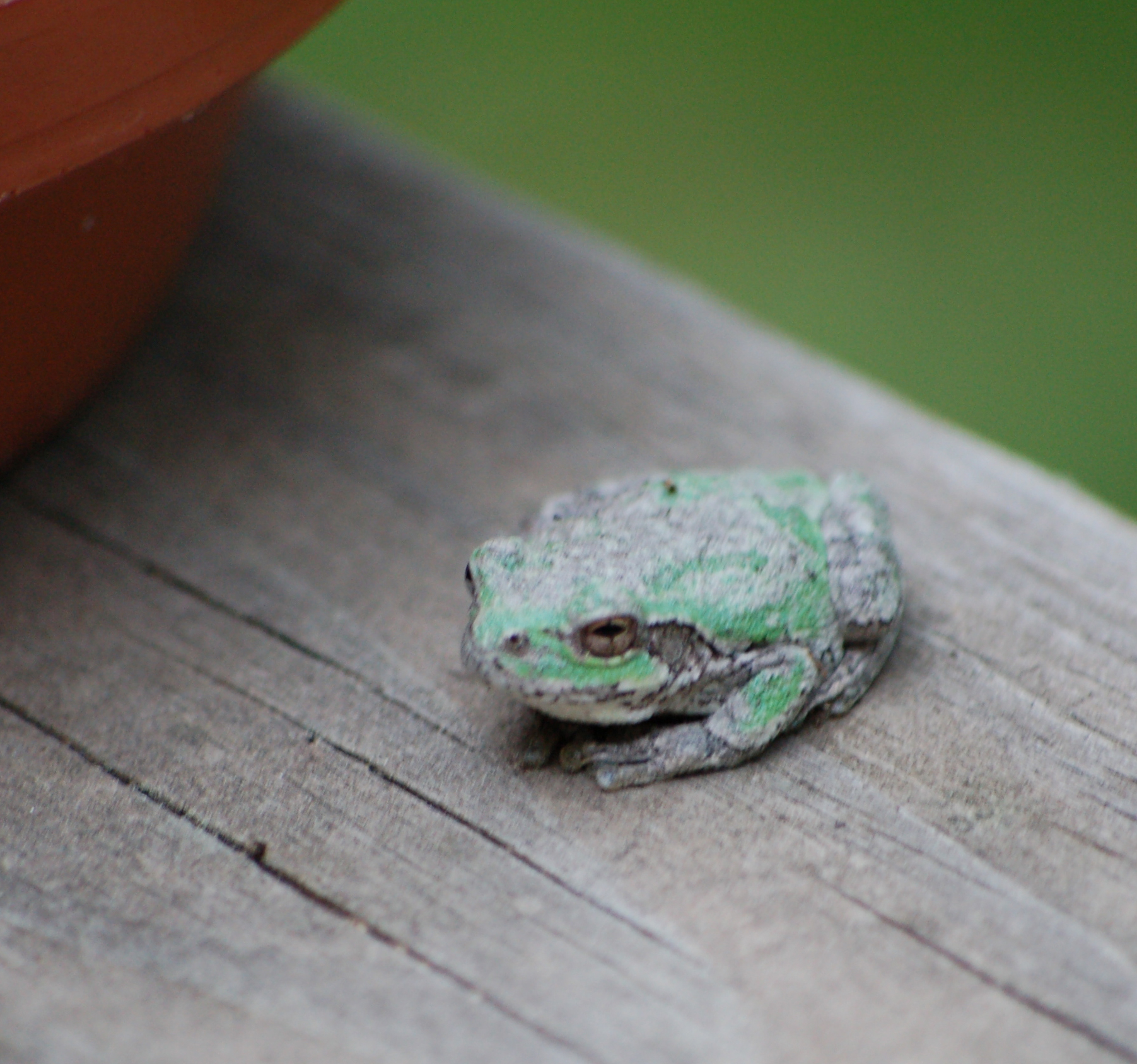
 

GrayTreeFrog


A tree frog.  He was hanging out in my “Mother-in-law” plant  (yep, on the deck) . He sat there for a “looong” time.
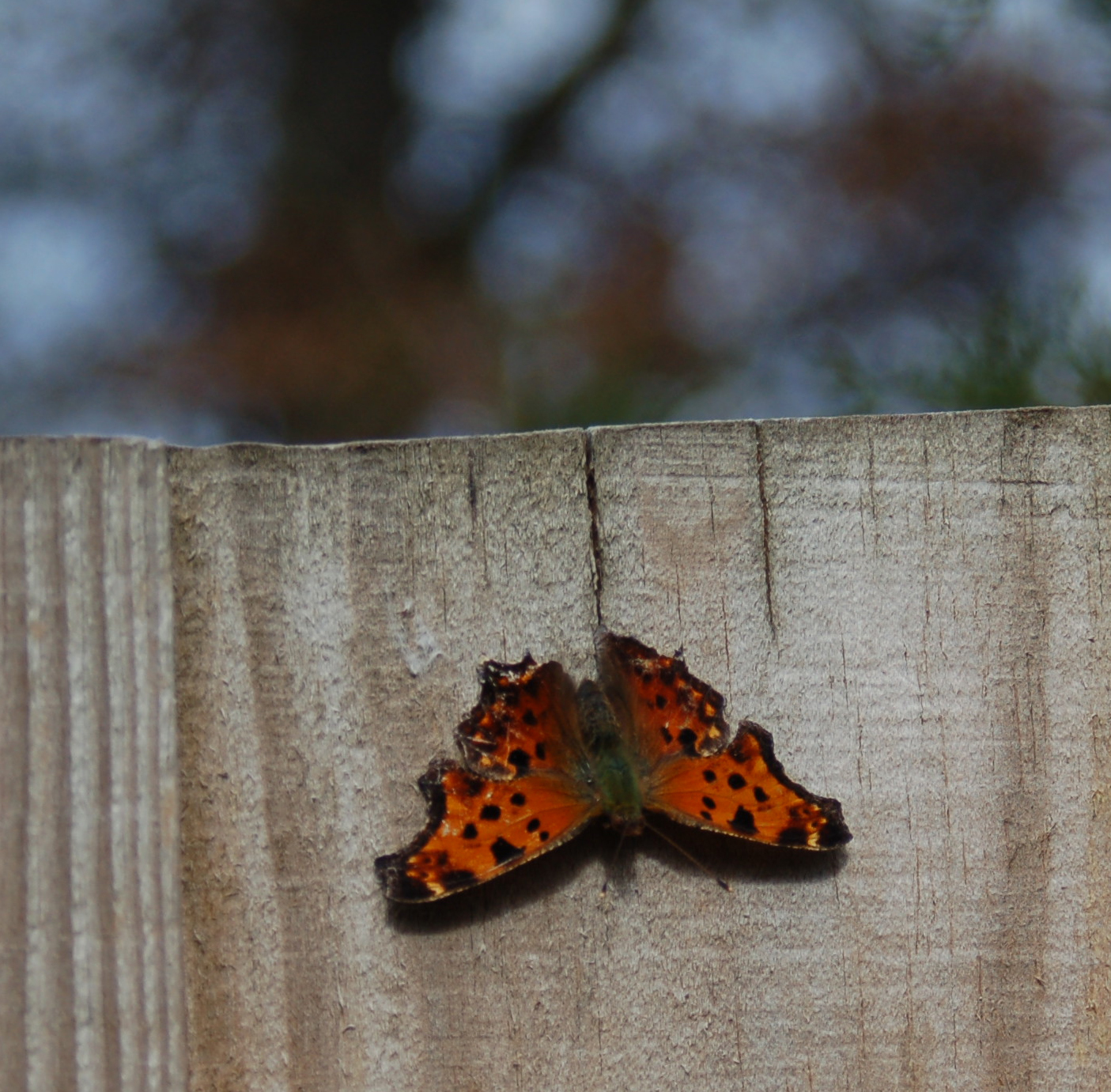


Anglewing Butterfly

Anglewing Butterfly


The actual name for this butterfly is Anglewing, but I call them “angel wings”. No better name applies. A stunning butterfly. At the edge of our yard on the fence warming up .
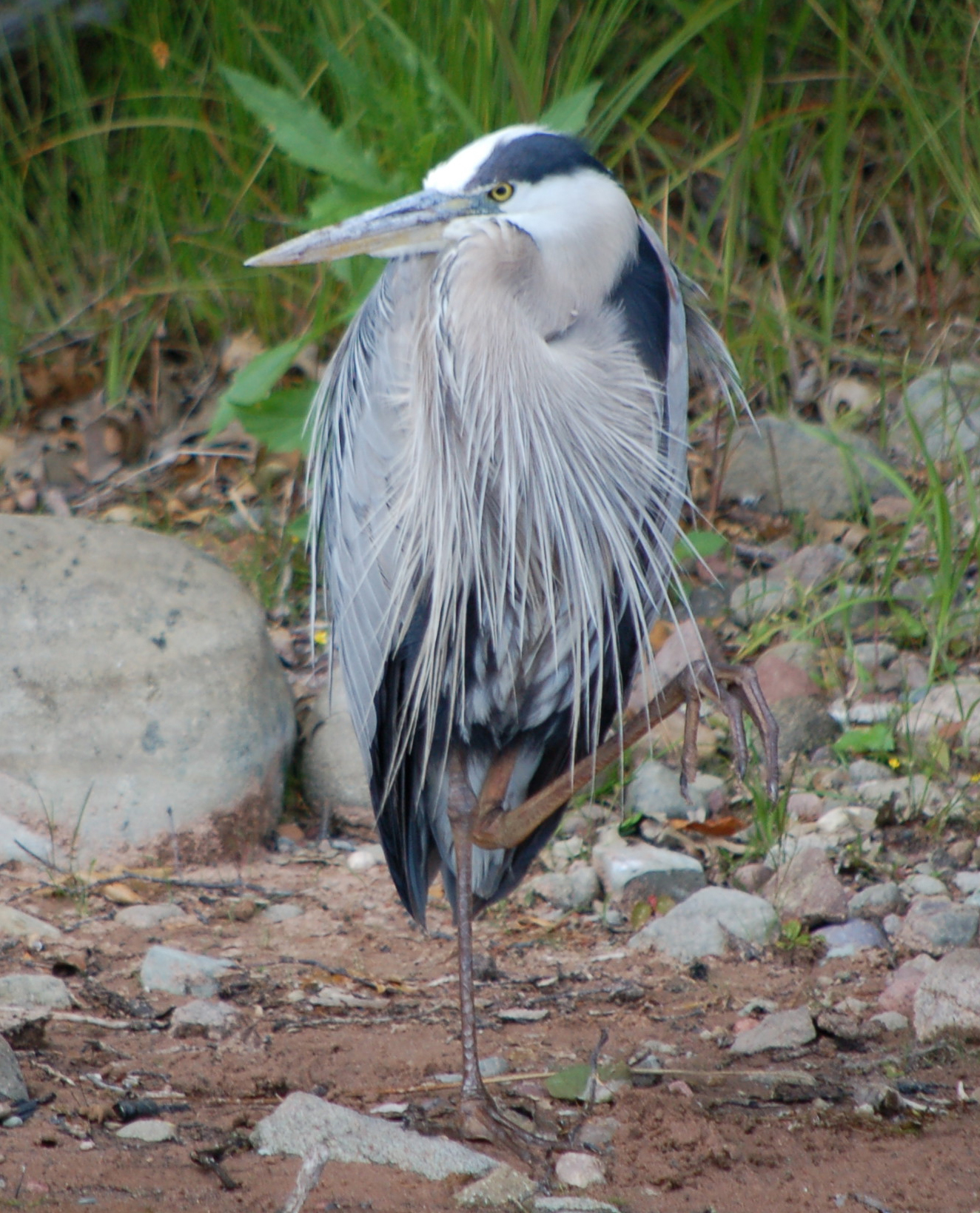


GBHeronDSC_1234


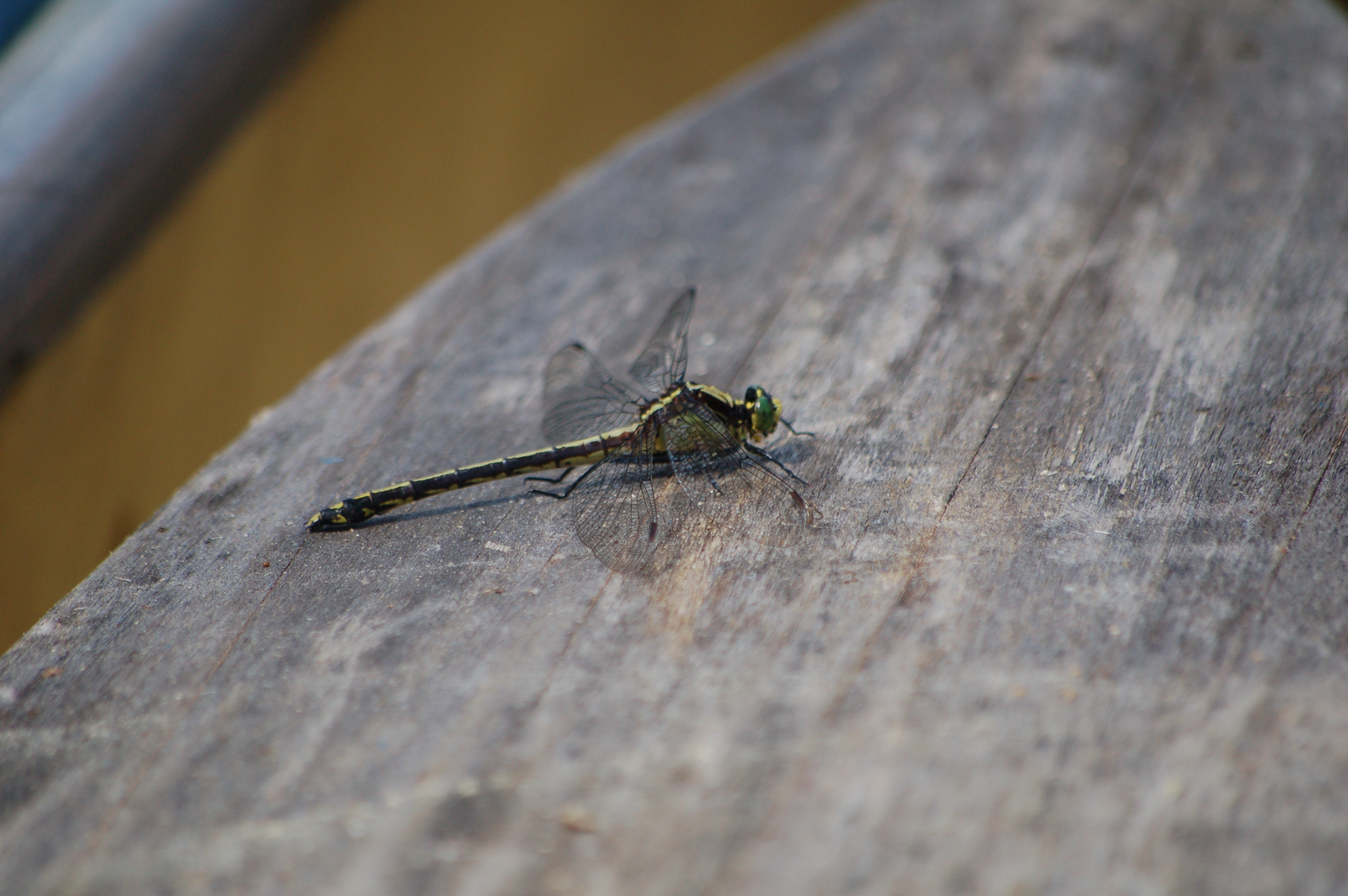
” A Great Blue Heron and a dragonfly – the Story”

 We were in a canoe scattering a pal’s ashes in a lake that my pal and I would escape to for many, many life-long adventures. The heron seemed to have an injured leg and was standing thus, when we paddled slowly by. He swiveled his head as we glided past. As I dropped the last few ashes into the water, the dragonfly perched and stayed on my bride’s paddle while I reflected on the ceremony. I attribute the dragonfly’s presence to my friend.
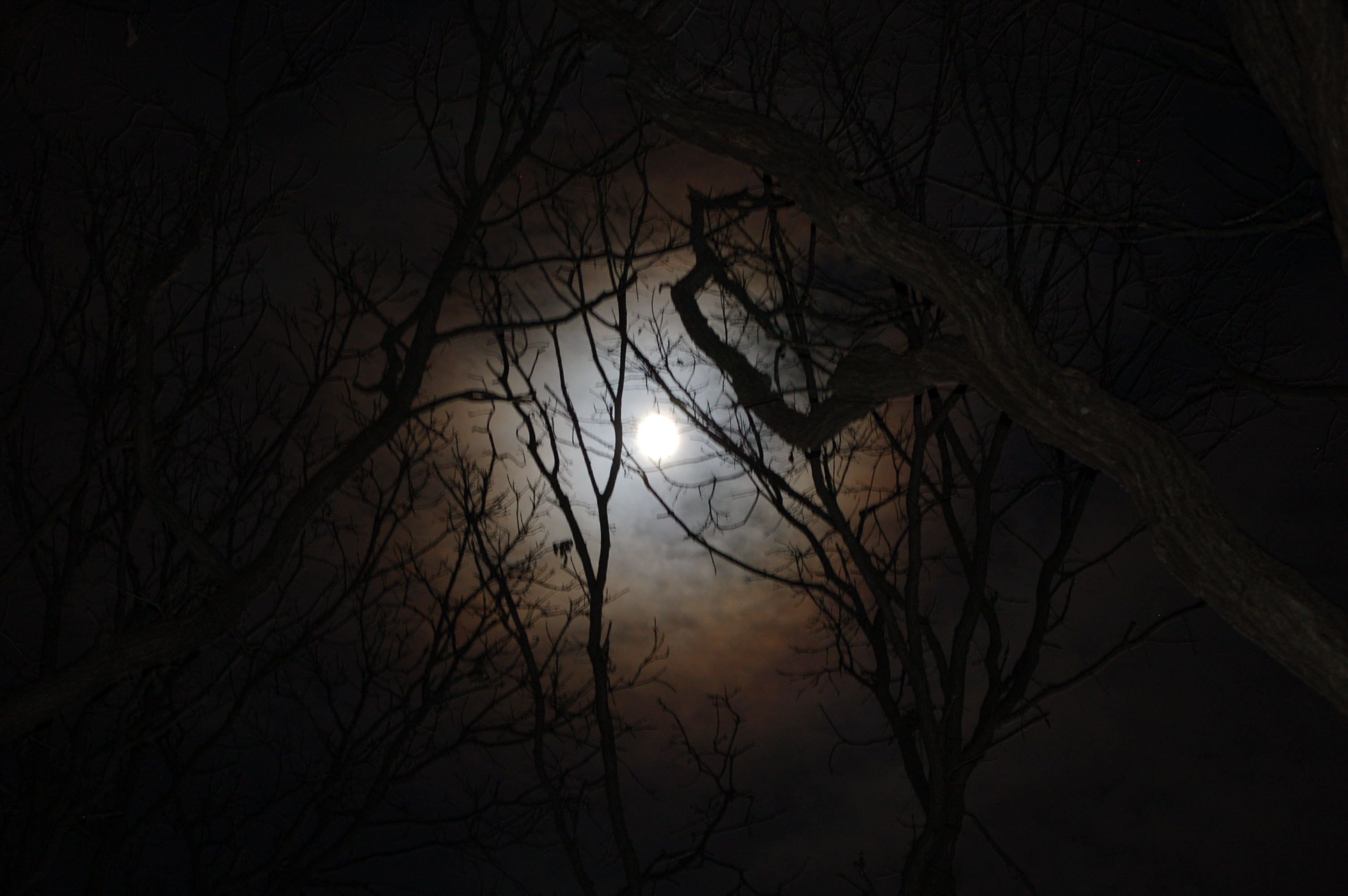
DSC_1238

 Good Night !

A beautiful , crisp October night. The halo around the moon and the oaks lend a “Sleepy Hollow” effect to this photo. I can almost feel the air on my face as I – yeah, I know – stepped out onto the deck !


I take most of my photos with a Nikon D50 and a Nikon DX 55-200 zoom lens.


Posted in Photography/Art | 4 Comments

Grasshopper Program

There are two basic groups of grasshoppers:  Long horned and short-horned

Long horned Grasshopper

Long horned Grasshopper

Short horned Grasshopper

Short horned Grasshopper

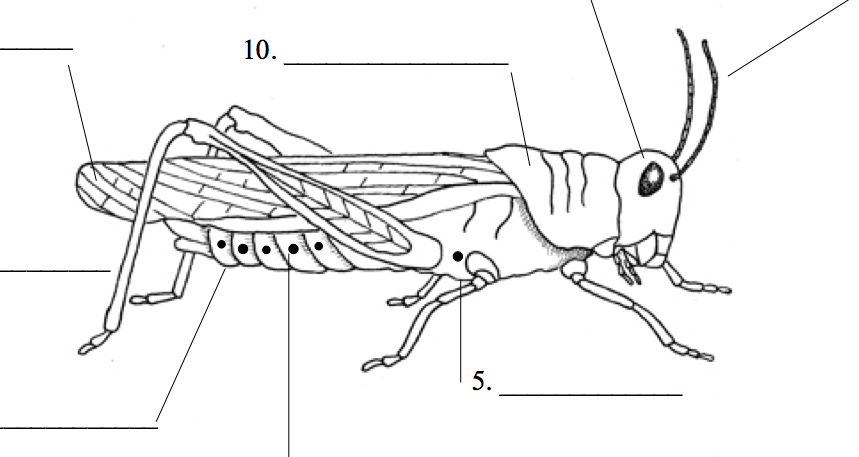
Parts of a Grasshopper

Screen Shot 2014-09-10 at 9.14.23 PM

Screen Shot 2014-09-10 at 9.14.42 PM

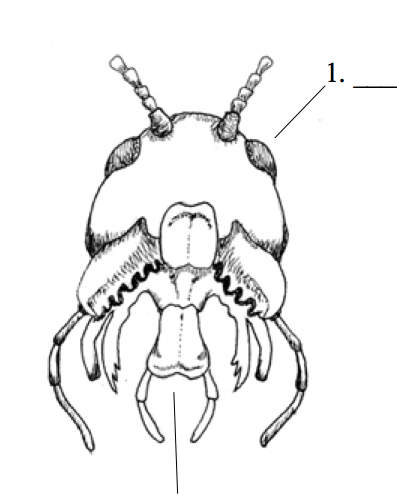
Head of a grasshopper – showing scissor-like teeth.


Screen Shot 2014-09-10 at 9.43.23 PM

Screen Shot 2014-09-10 at 9.13.28 PMScreen Shot 2014-09-10 at 9.13.43 PM

Predators on Grasshoppers

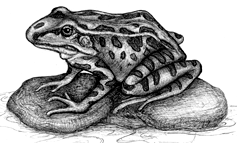
frogs and toads

frogs and toads

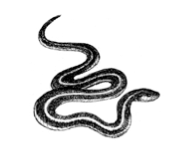
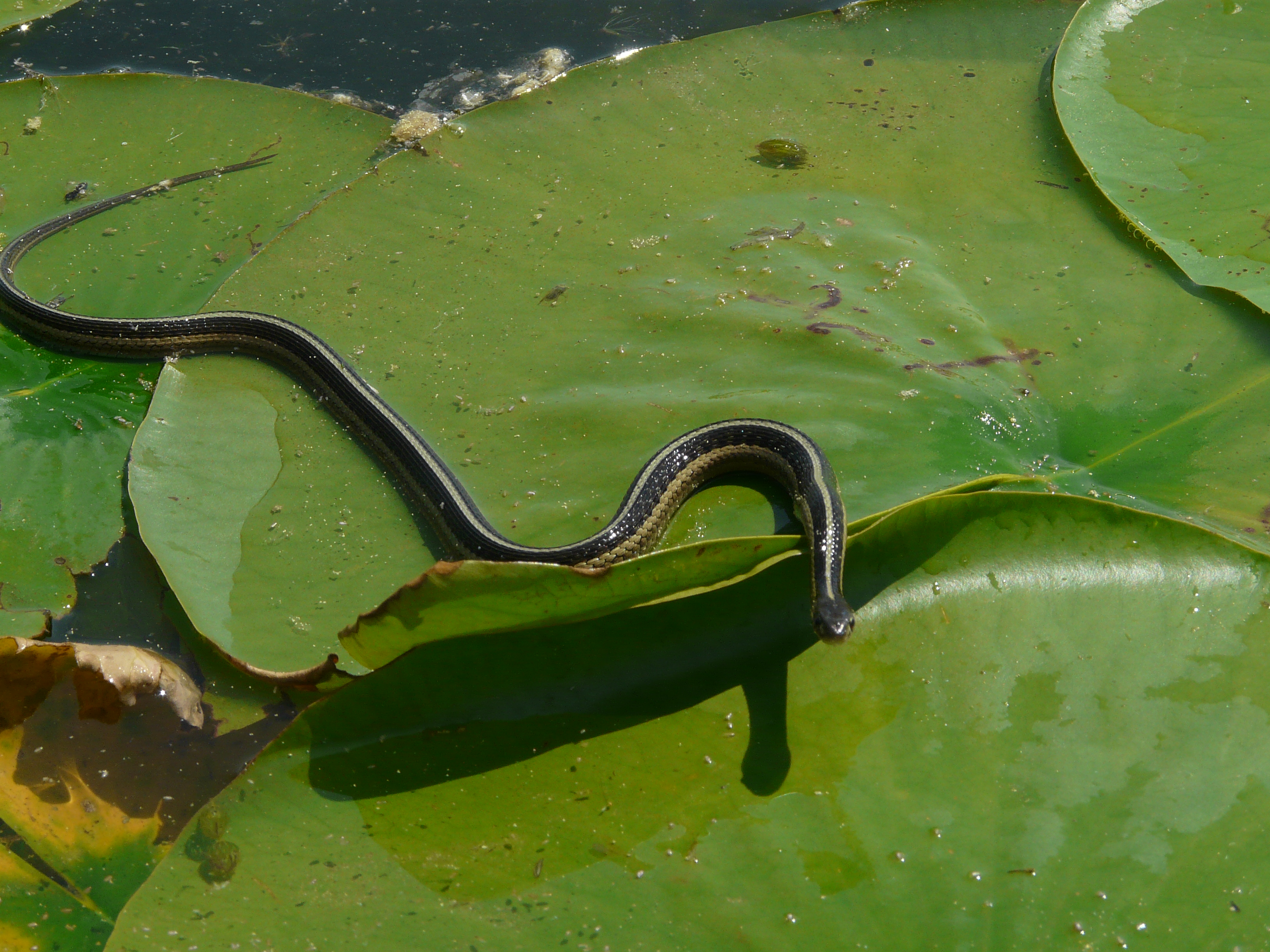
Garter Snake

Garter Snake


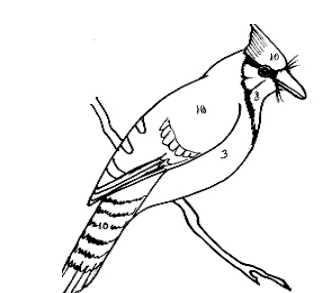
Birds

Birds

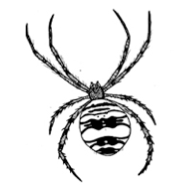
Spiders

Spiders

Posted in Insects | Leave a comment

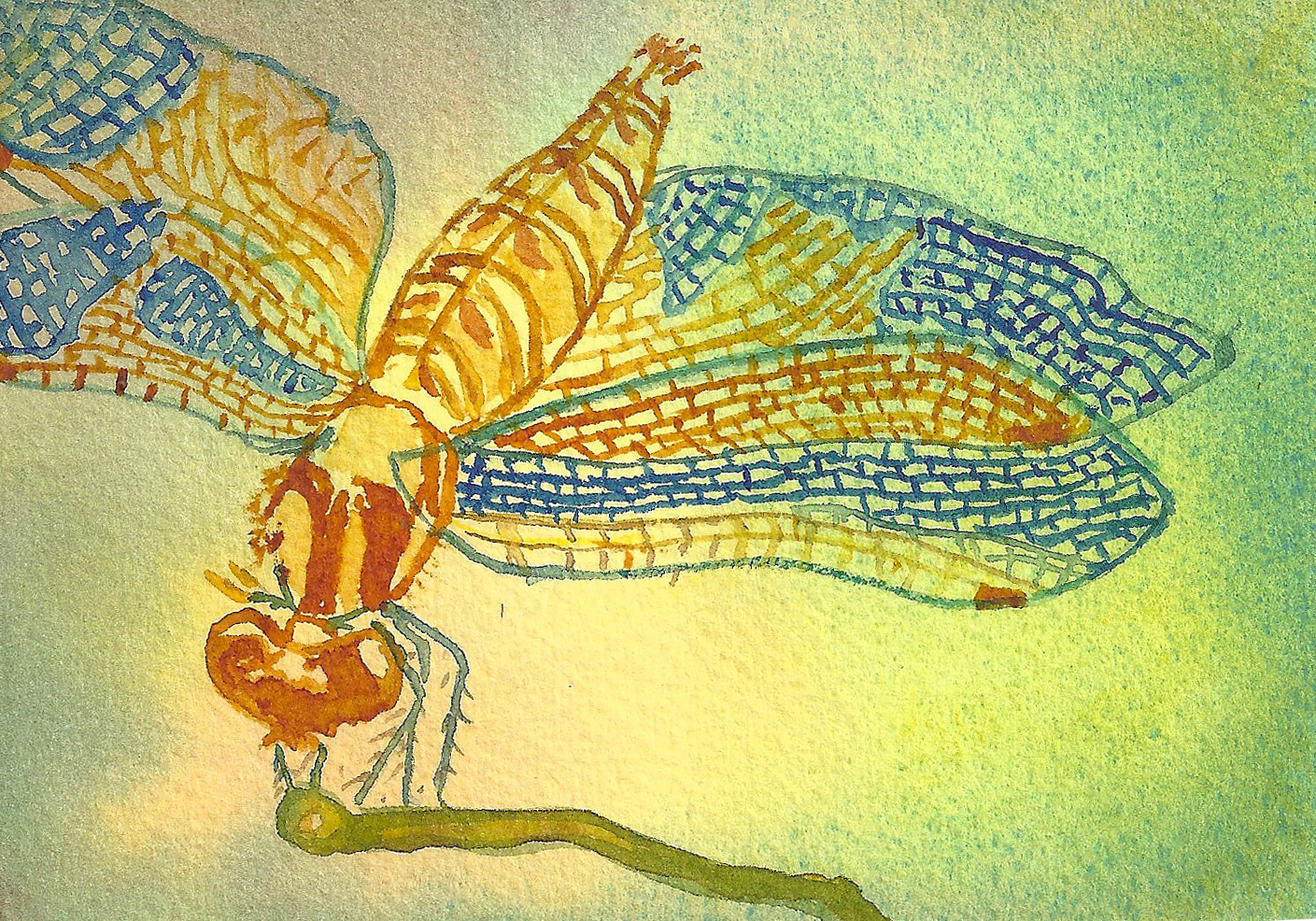
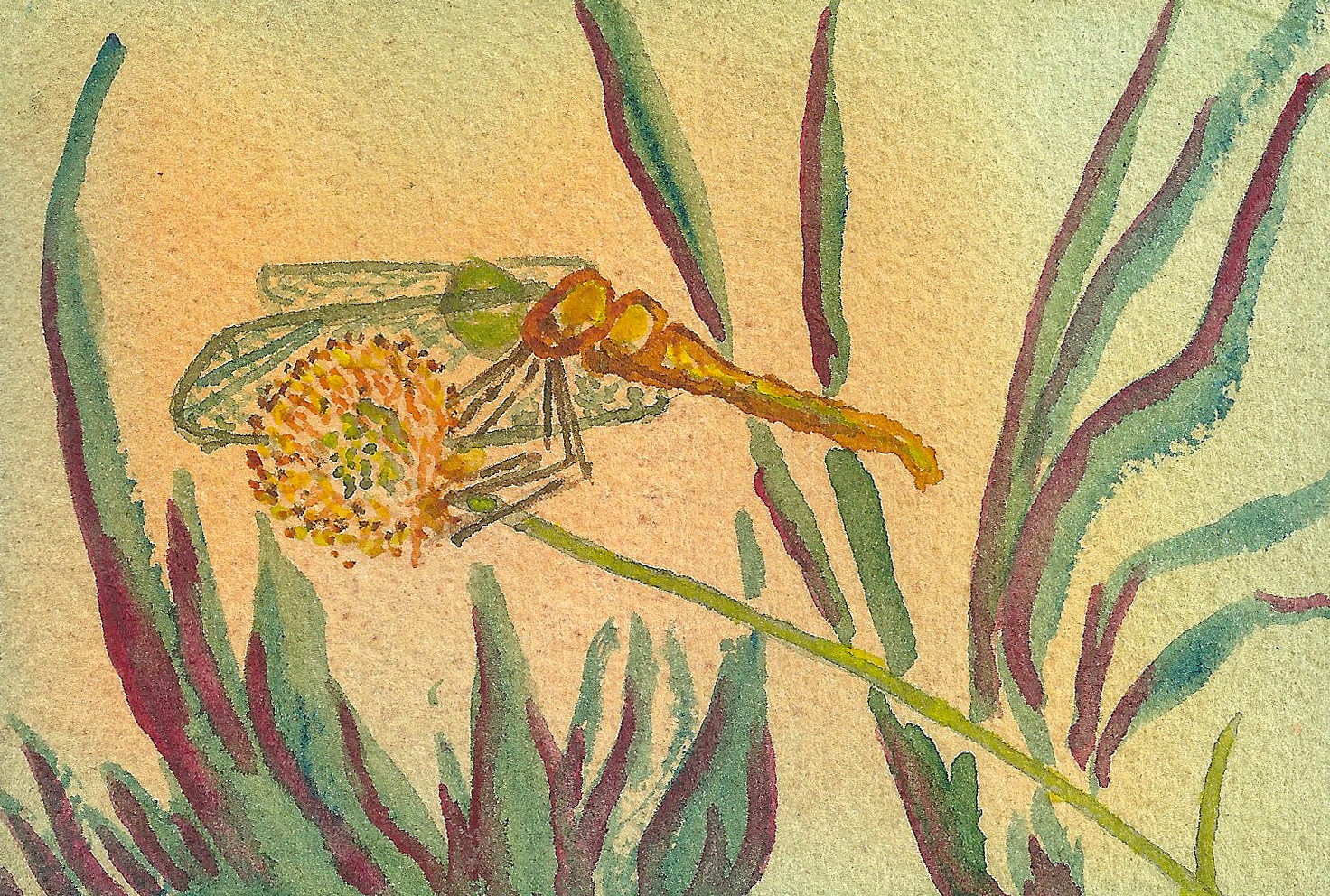
Dragonfly Art

  A Creative Contribution by Patricia Hauser            Shorewood, MN.

PatriciaDragonflies 1

Meadowhawk

PatriciaDragonflies3

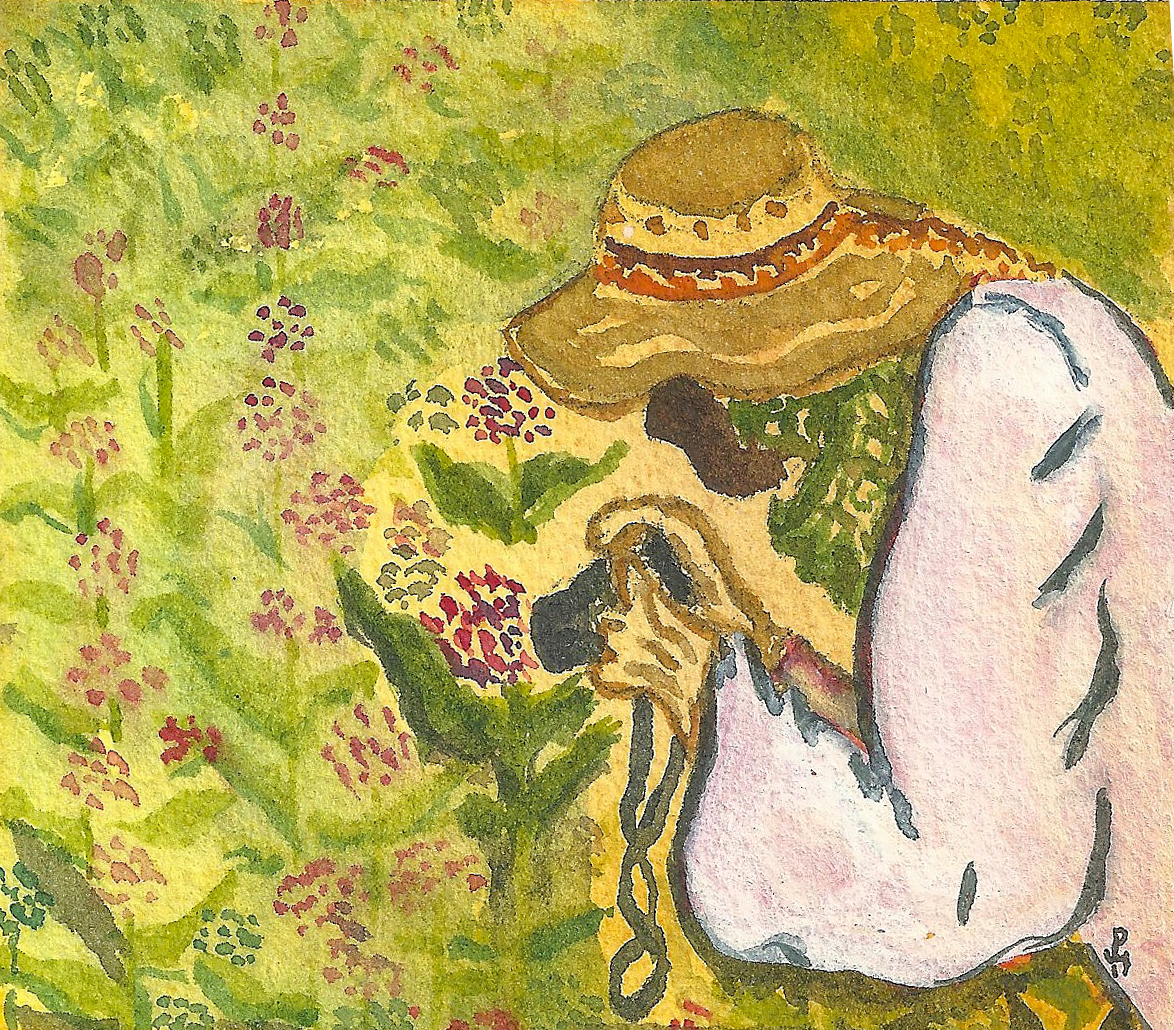
Old Naturalist

Old Naturalist


Something about Patricia’s  watercolors really touched me.                                                       Her art is alive.

Posted in Photography/Art, Summer | 2 Comments

Bee Program

Screen Shot 2014-09-02 at 8.50.46 AMScreen Shot 2014-09-02 at 8.50.59 AM

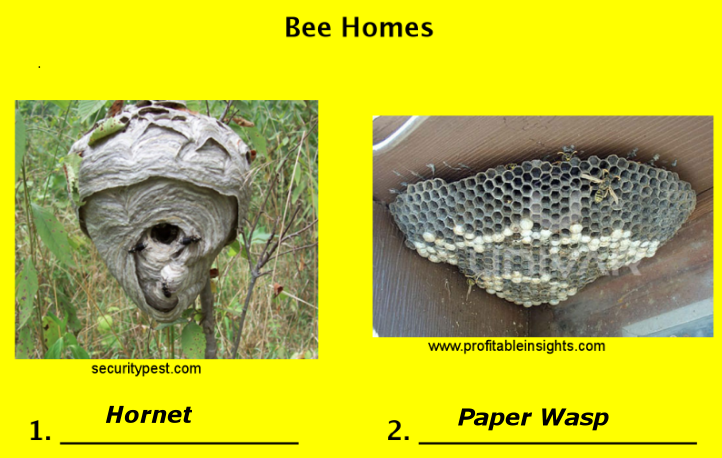
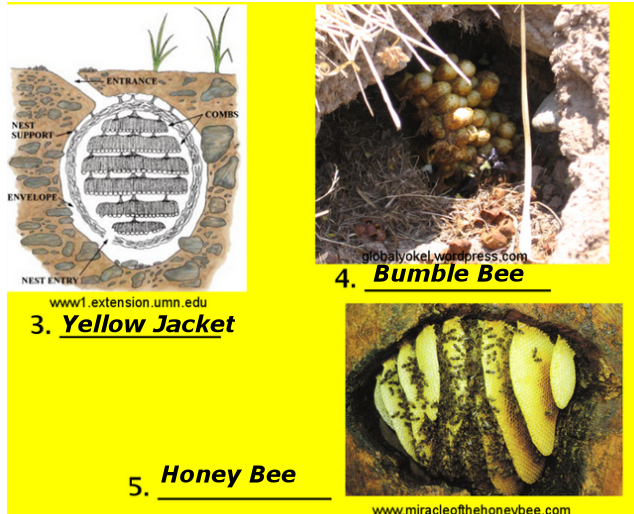
                                                 Bees, Wasps and Hornets

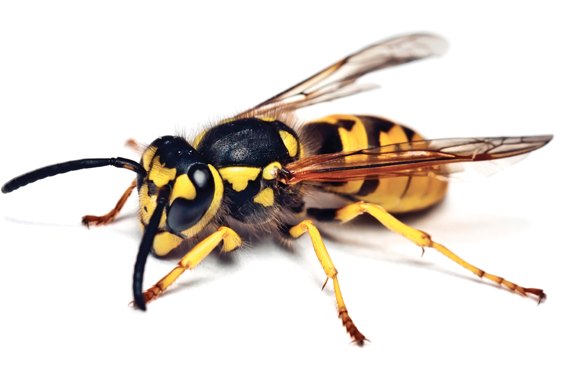
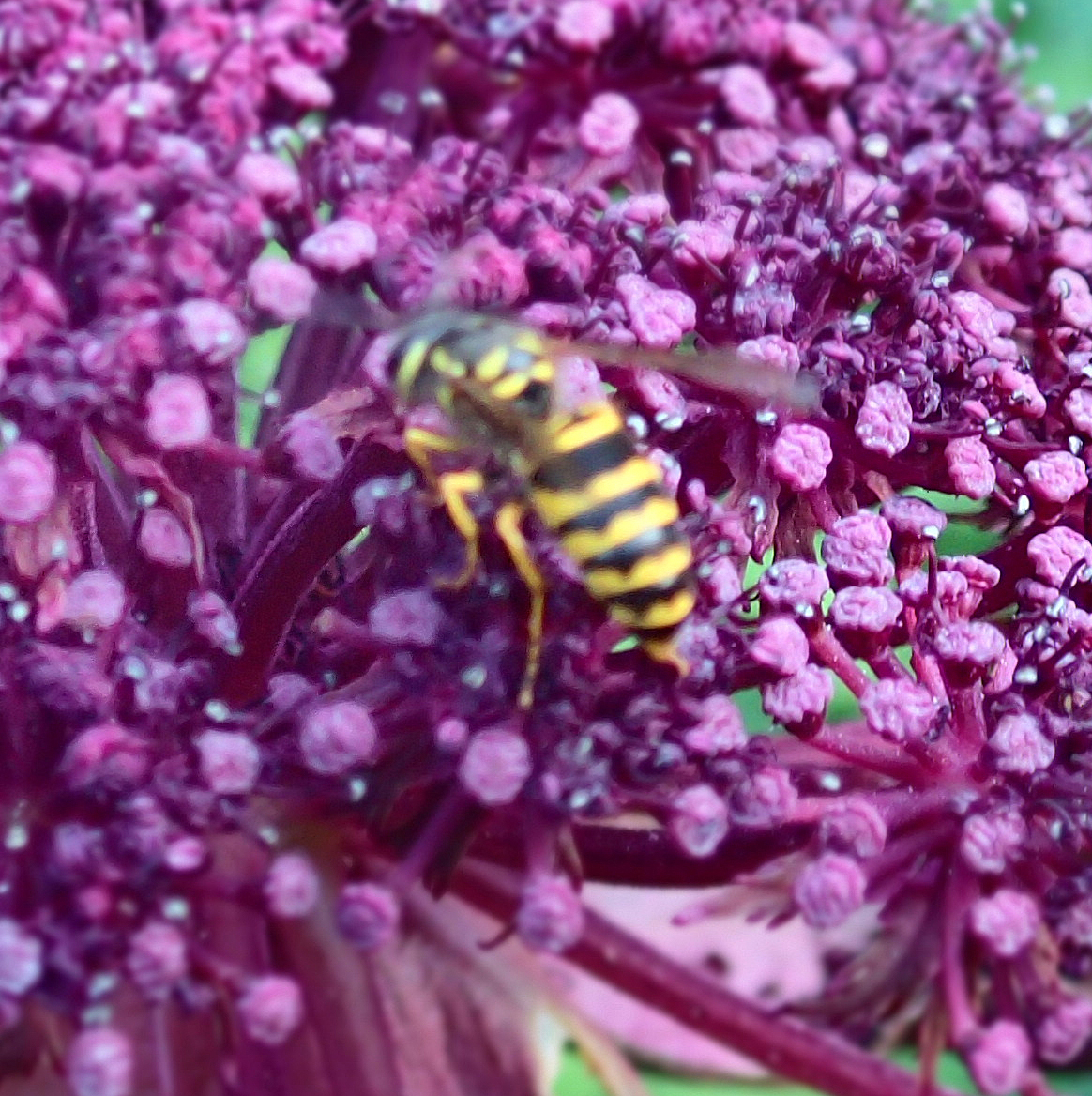
Yellow Jacket

tomlinsonbomberger.com


Yellow Jacket

Screen Shot 2014-09-03 at 8.35.23 PM

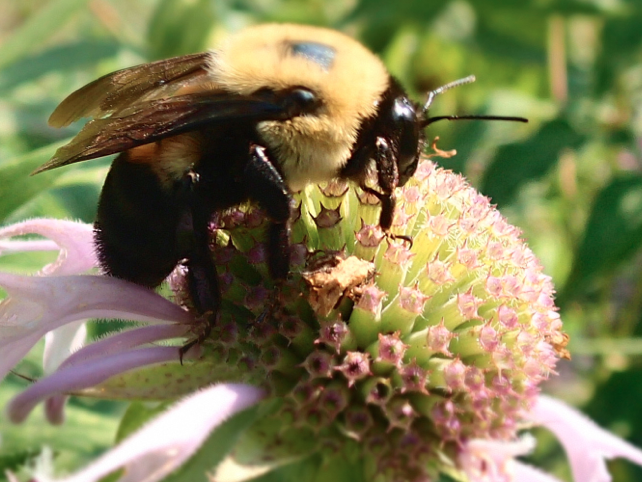
                           Bumblebee – There are over 15 species of bumblebee in MN

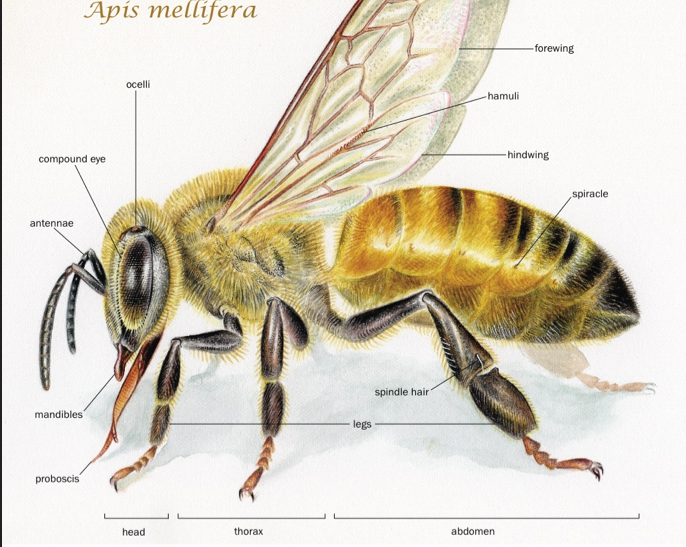
OLYMPUS DIGITAL CAMERA                                                                     Honey Bee

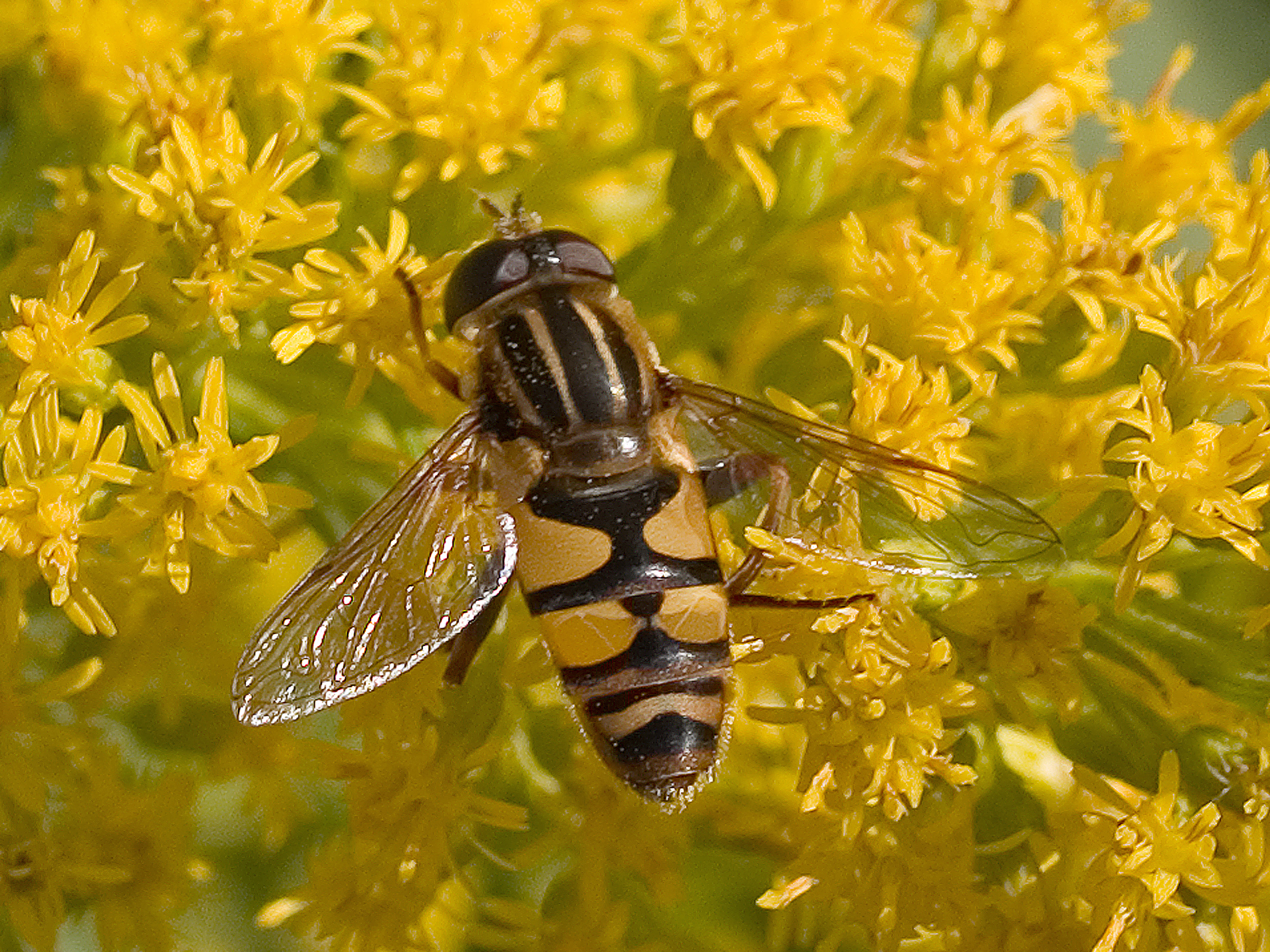
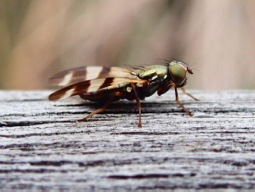
beeflyBee Fly      (A fly that mimics a bee)

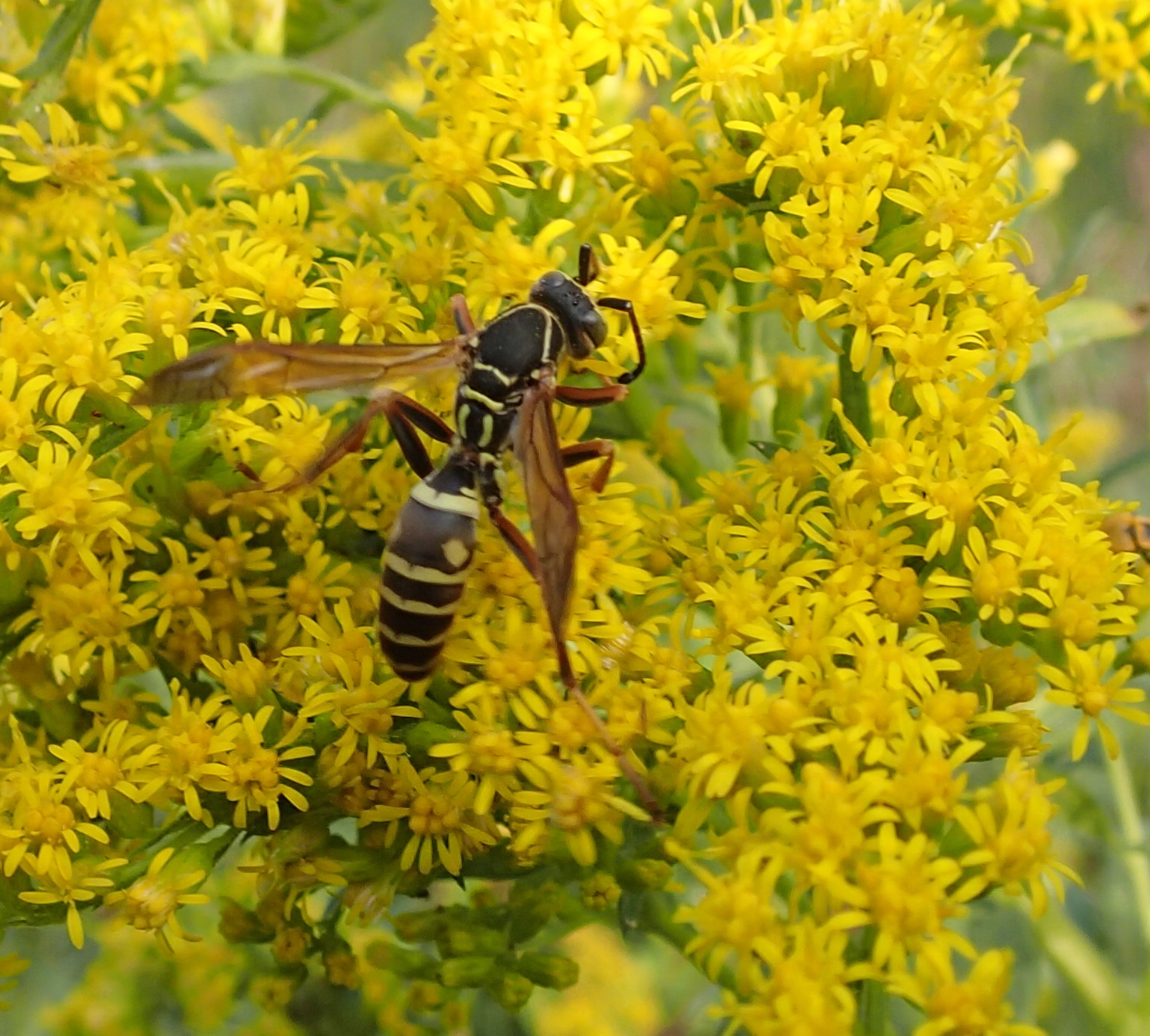
Paper Wasp on Goldenrod

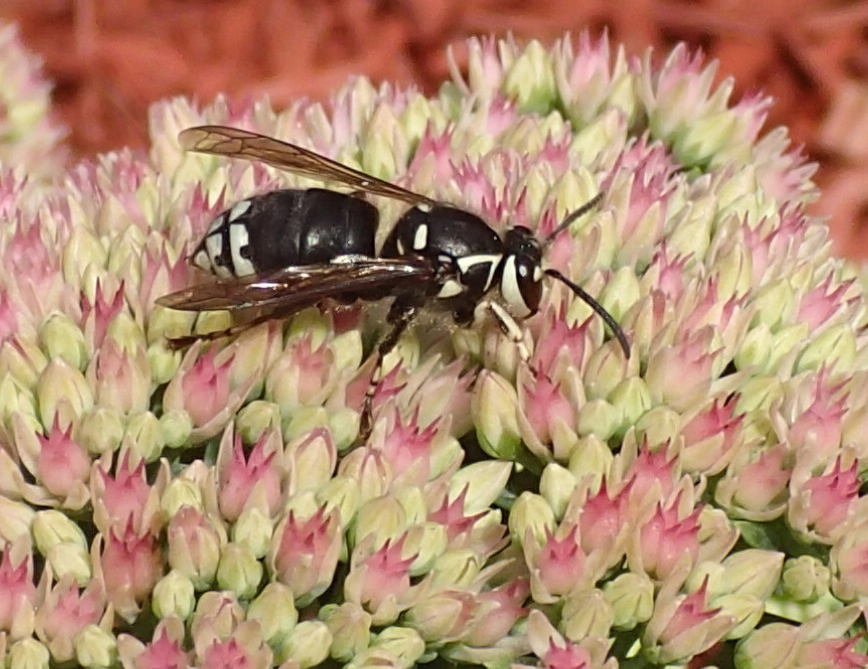
Bald-faced Hornet

Screen Shot 2014-09-03 at 12.01.49 PM

Screen Shot 2015-03-03 at 8.59.23 PM

Screen Shot 2015-03-03 at 8.59.44 PM

Screen Shot 2014-09-02 at 8.57.33 AM

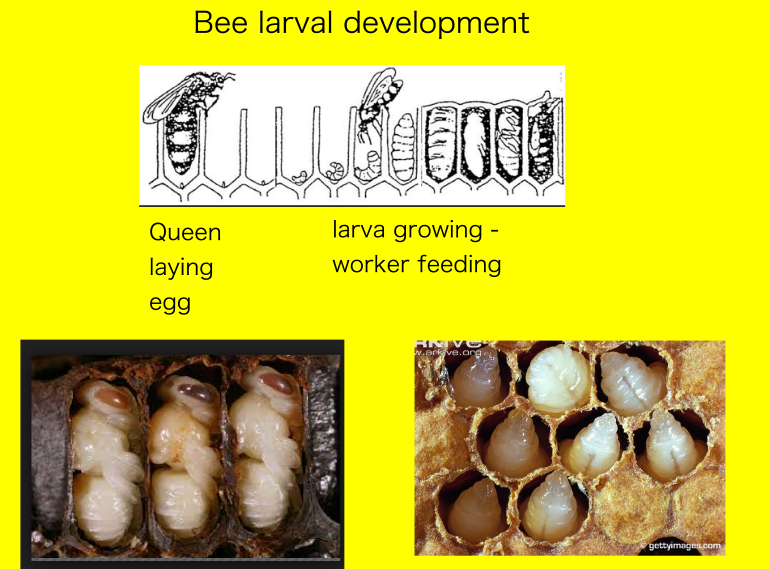
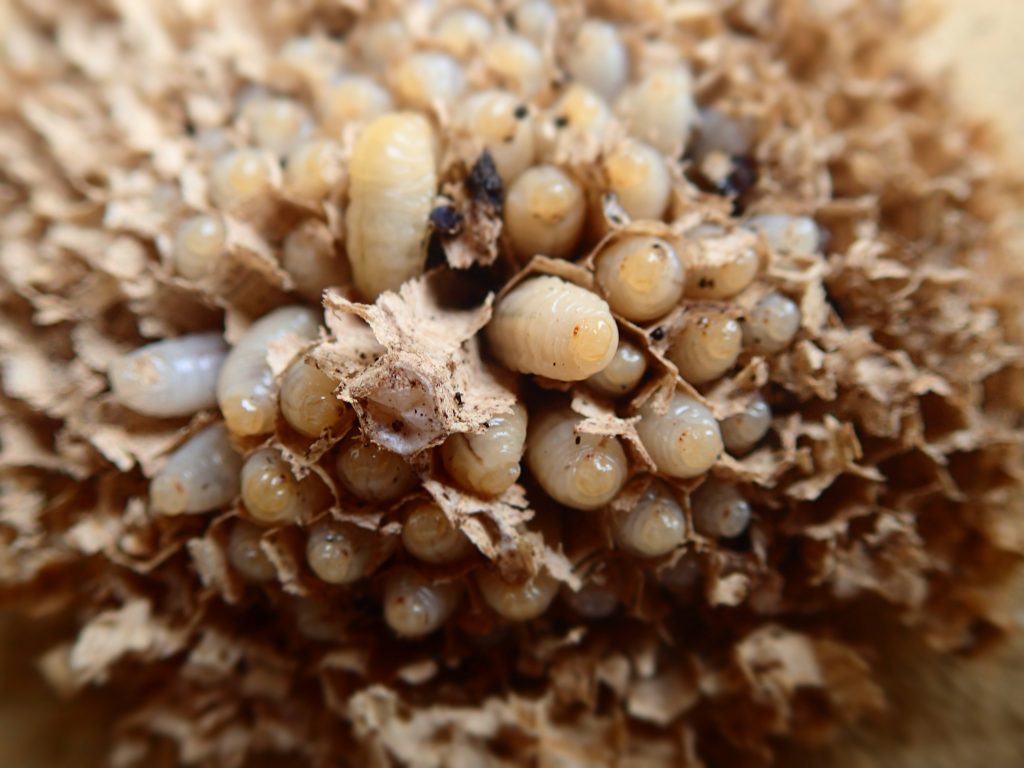
Larva in Yellow Jacket nest

Screen Shot 2014-09-02 at 8.57.56 AM

Posted in Fall, Insects, Summer | Leave a comment

An Unexpected Experience – A Fish Tale

Reader, Steve Casper noted:                                                                                                        “Larry you should put a note on the top of this blog that all the pics have hi-res versions if you click on them- they are so big that they make great wallpapers for my computer! The carp is on mine now”.

OLYMPUS DIGITAL CAMERA


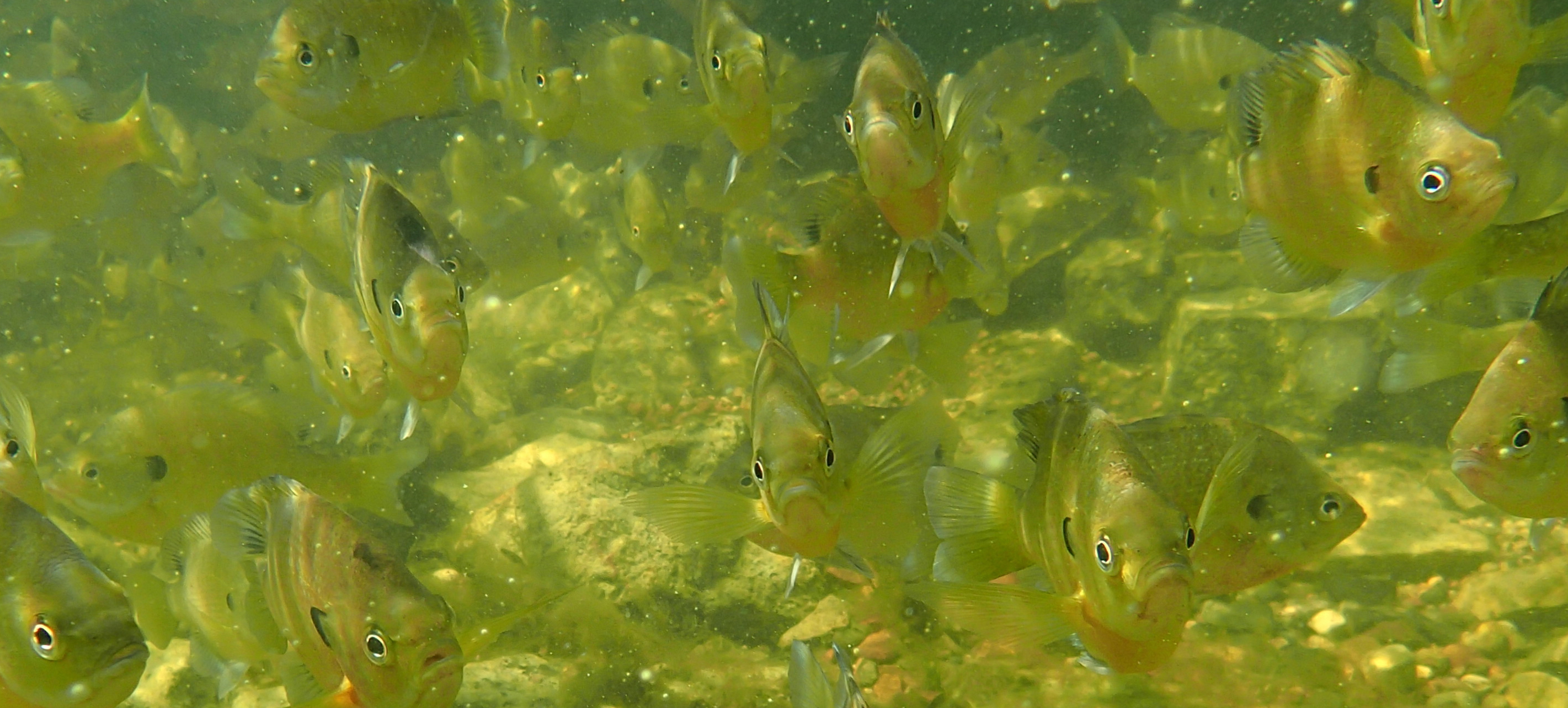
Safety in numbers                                                                                                                       Hundreds of eyes staring at me.                                                                                                            I was a giant in their midst.

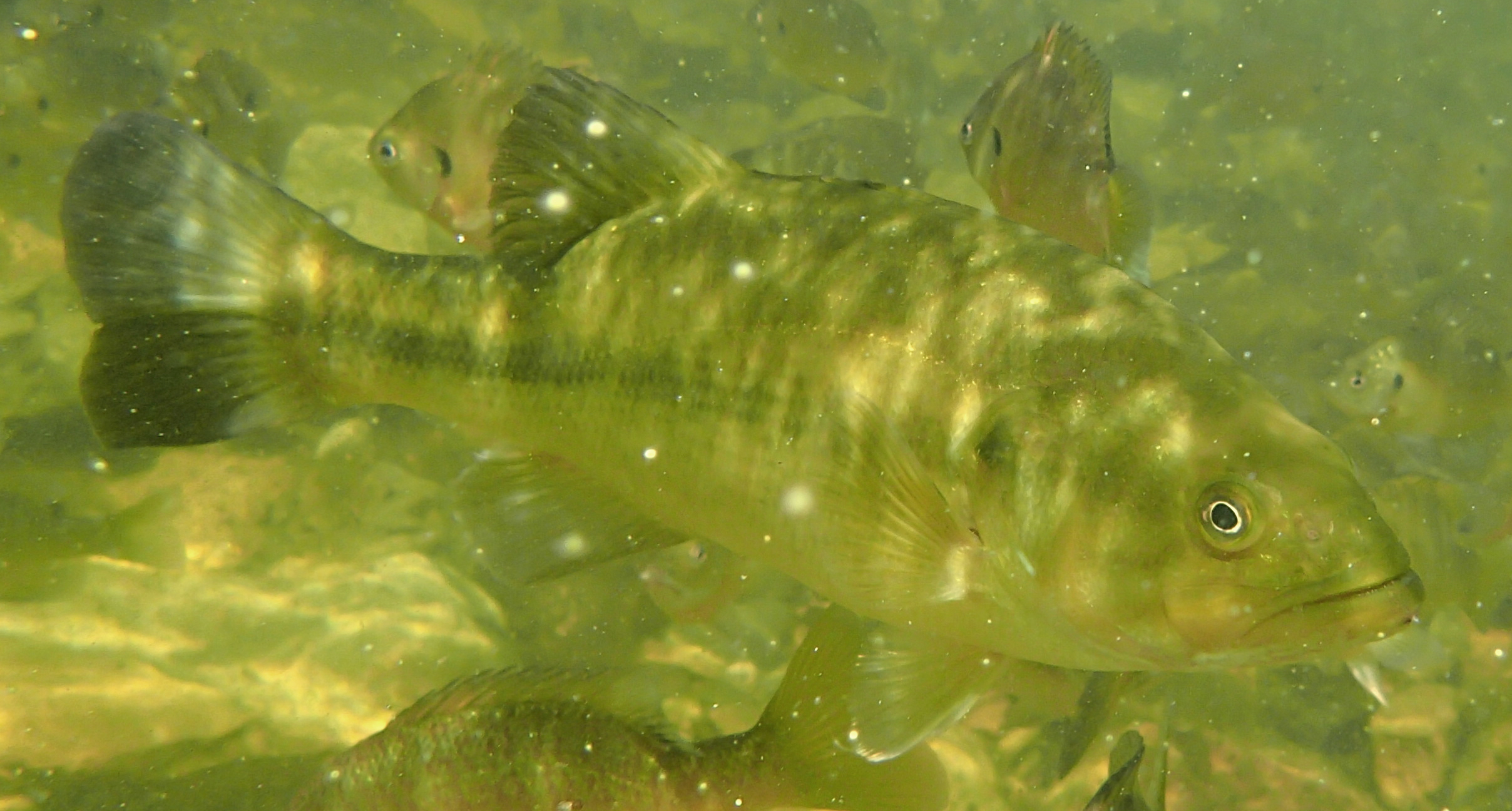
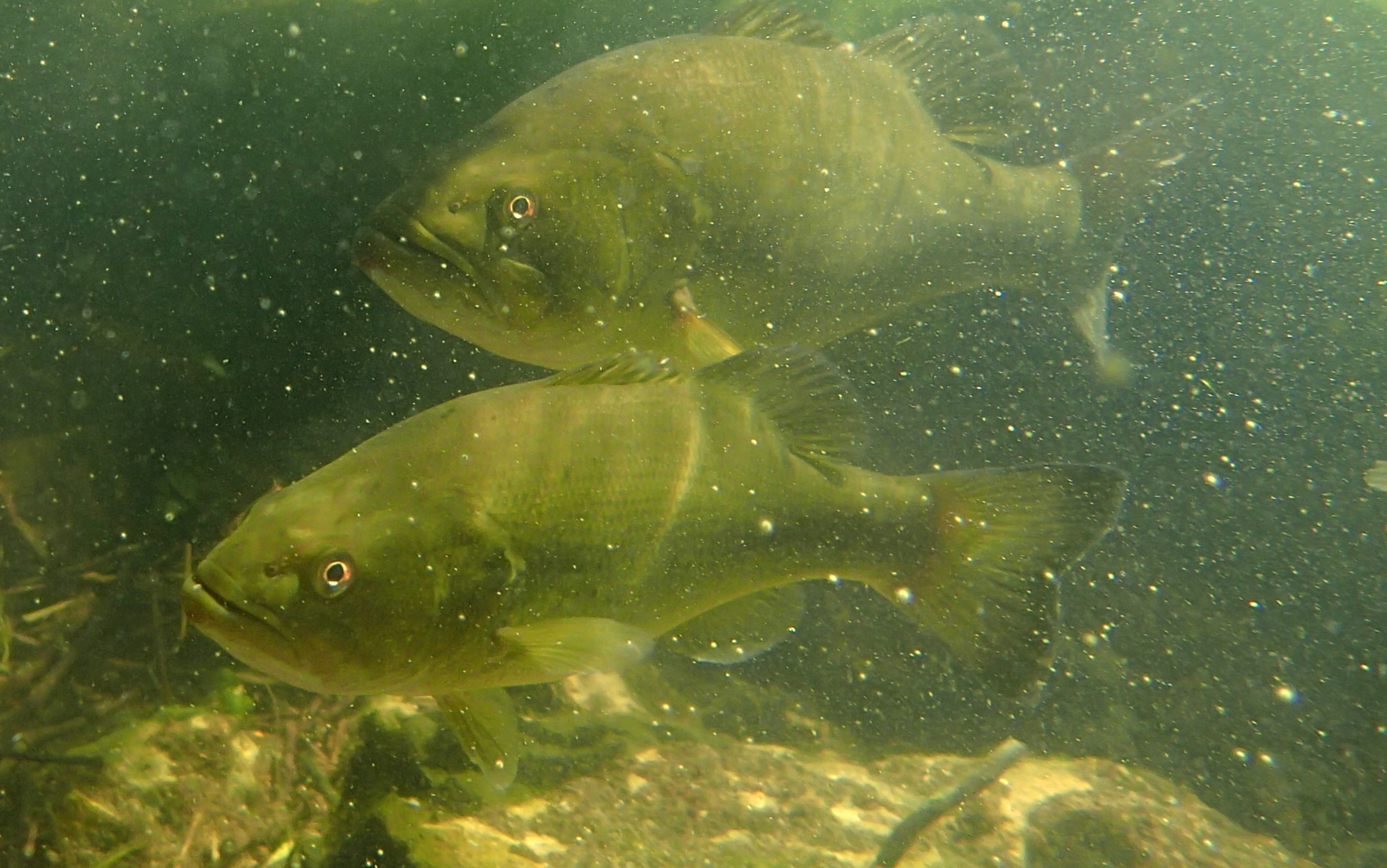
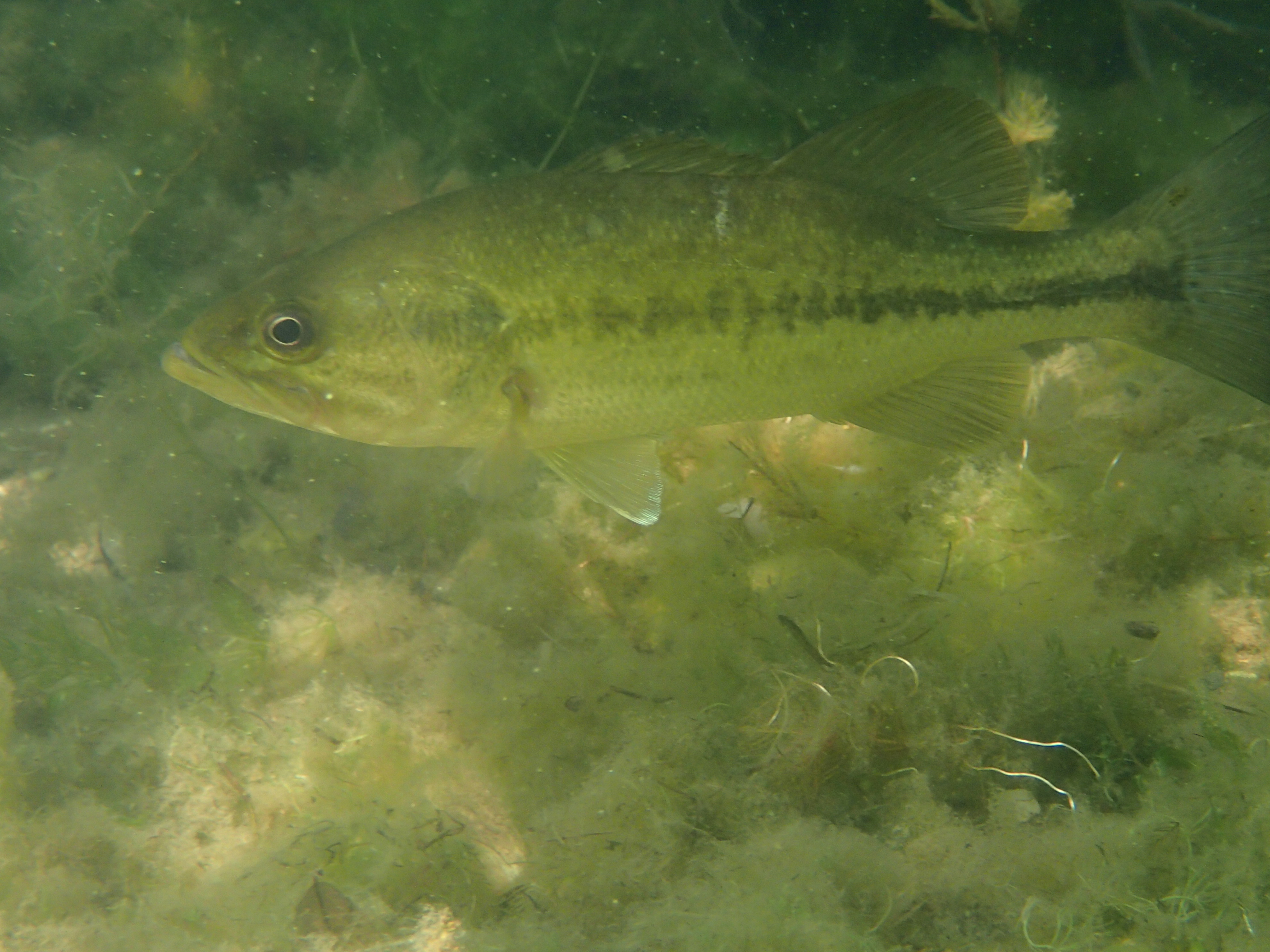
"This is my world", the bass said.

“This is my world”, the bass said.

Out of the shadows, something BIGGER than I have ever imagined.                                                                                                                                                   An aura of royalty swishes past me.                                                                                               The fishermen on the shore will be licking their chops if they see it.                                            In spite of its beauty and size                                                                                                                I wonder if it will survive the week-end onslaught.

OLYMPUS DIGITAL CAMERAIt is surreal                                                                                                                                              Just a normal day when I woke up this morning                                                                         But now, it is not.

OLYMPUS DIGITAL CAMERA

What does a bass see when it looks at me?                                                                                      Am I as luminous as I perceive her to be?                                                                                 What is the sound of a bass breathing?                                                                                     Shi-shi- shu                                                                                                                                        Does a bass savor its food?                                                                                                                  Like I savor a melon                                                                                                                       Unlikely

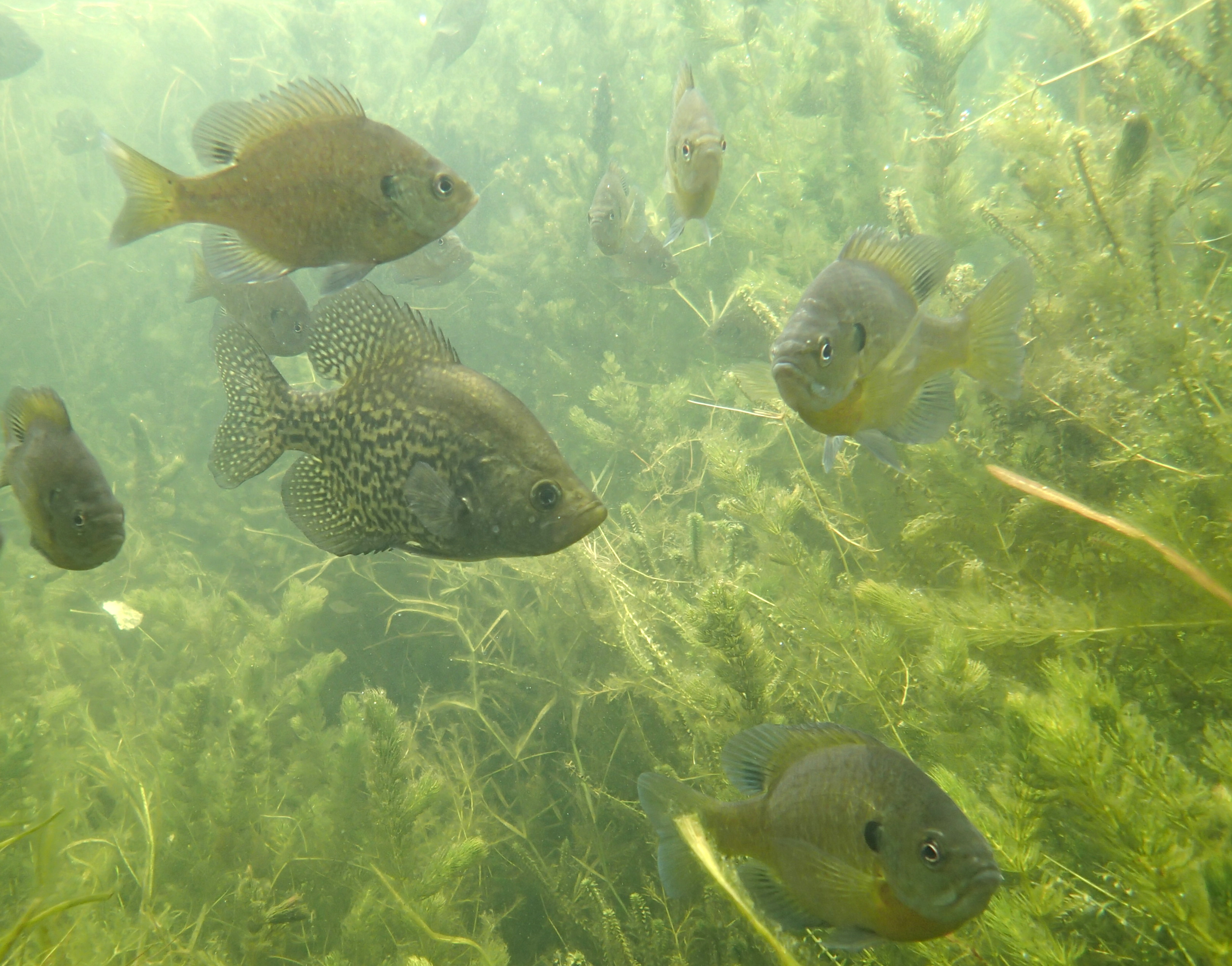
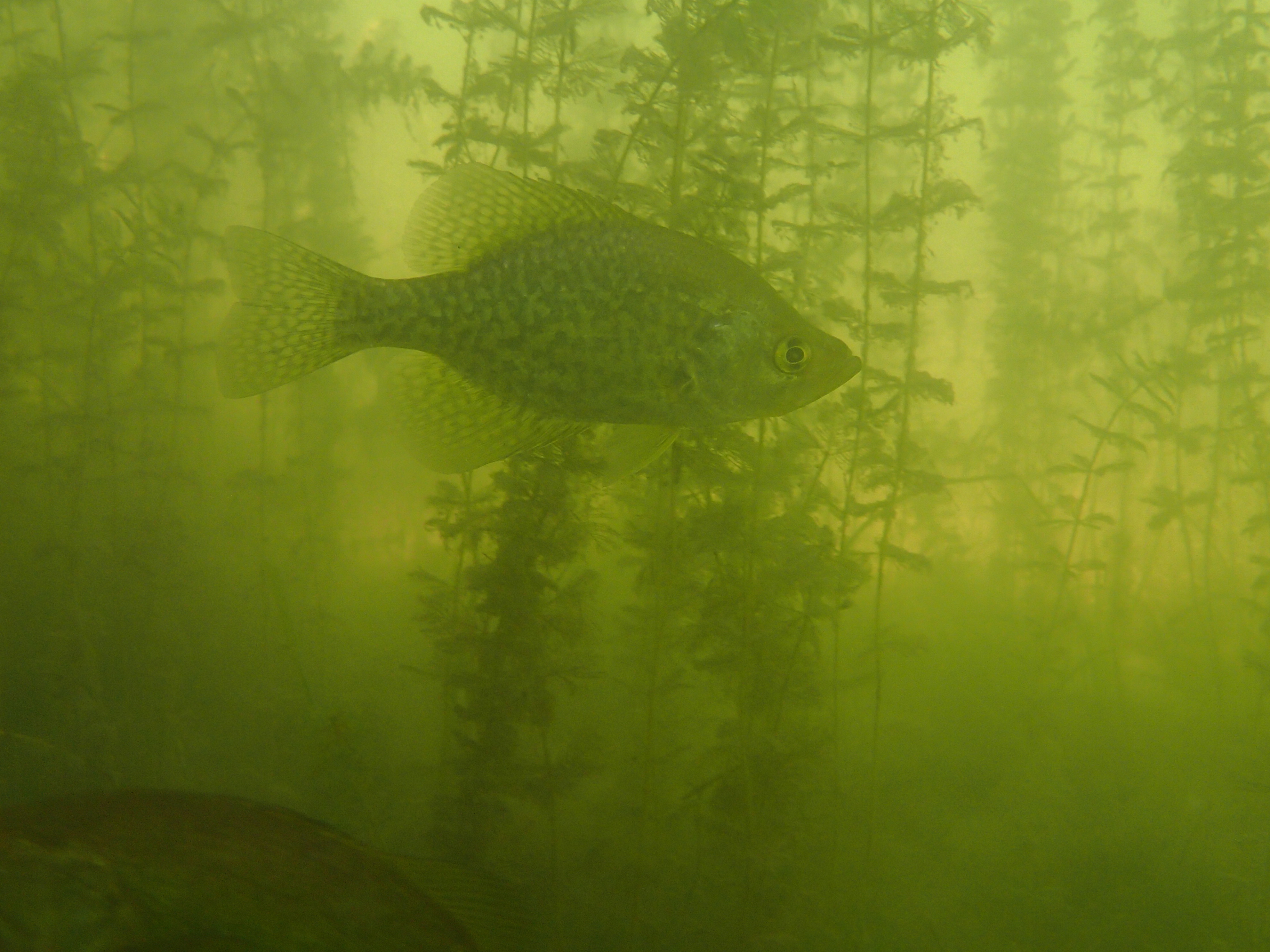
OLYMPUS DIGITAL CAMERA A crappie trying to blend in with a school of bluegills.                                                               But its beauty and uniqueness shine through.                                                                             How could a fish so elegant be named “crappie”?

OLYMPUS DIGITAL CAMERA

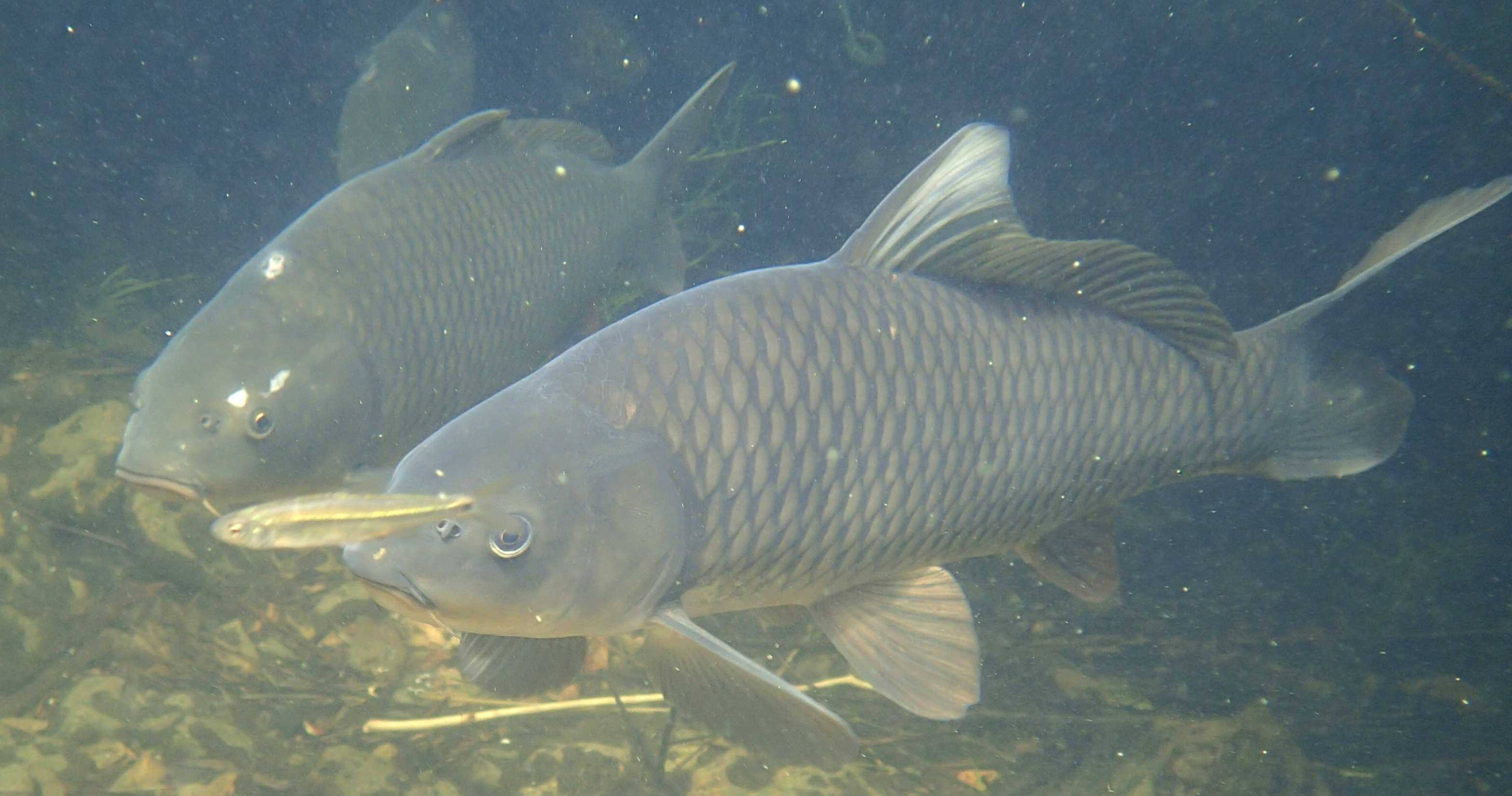
We are supposed to hate carp                                                                                                             But to me they are like 30 pound puppies                                                                                          With their big teary eyes                                                                                                                         If only they would let me pet them.

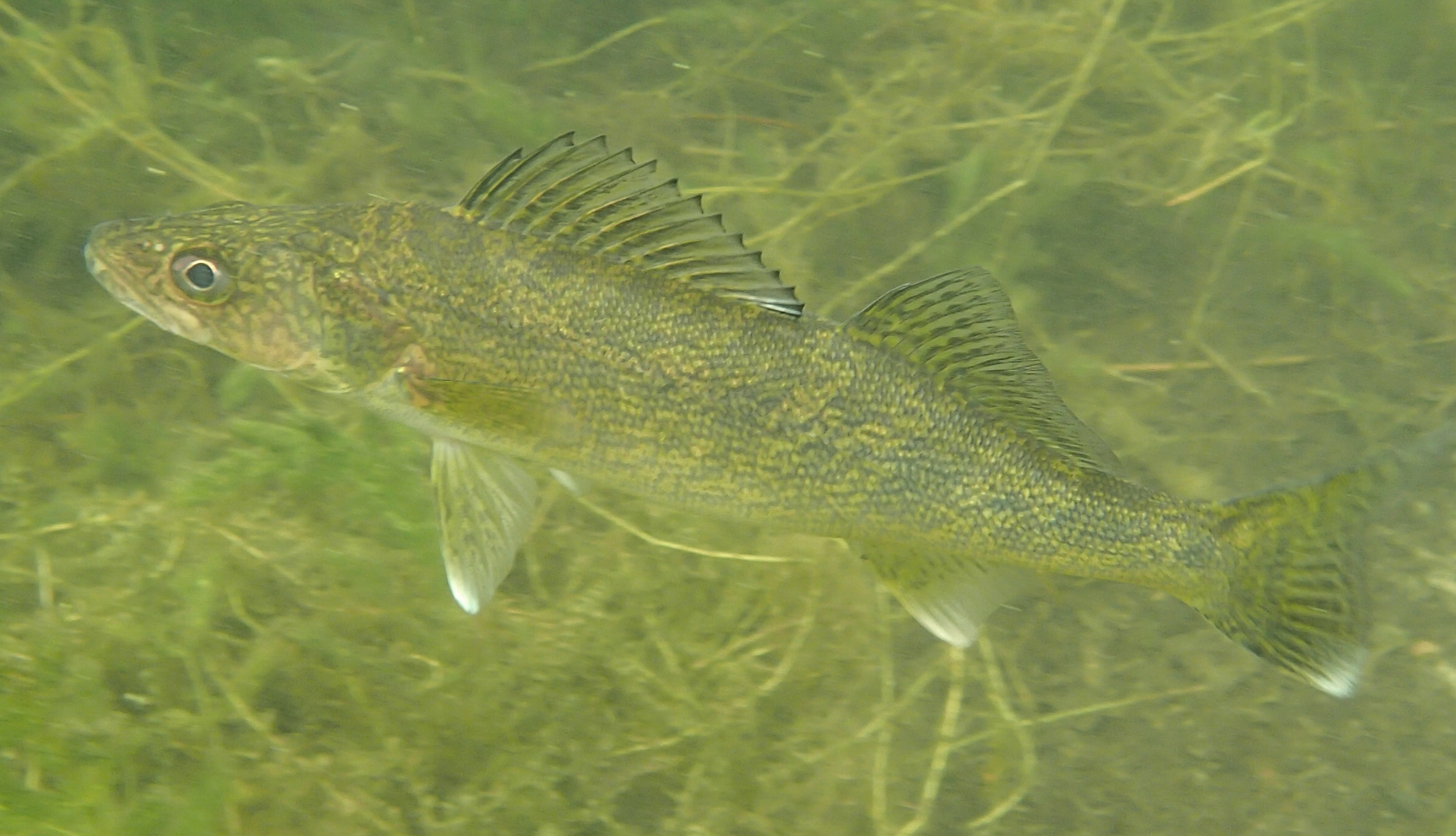
OLYMPUS DIGITAL CAMERAMy first Walleye                                                                                                                                        So mysterious and coveted by fishermen                                                                                            I tried not to picture them on the grill                                                                                                 A few swam away very fast                                                                                                                      I think they saw the drool running down my chin.

OLYMPUS DIGITAL CAMERA

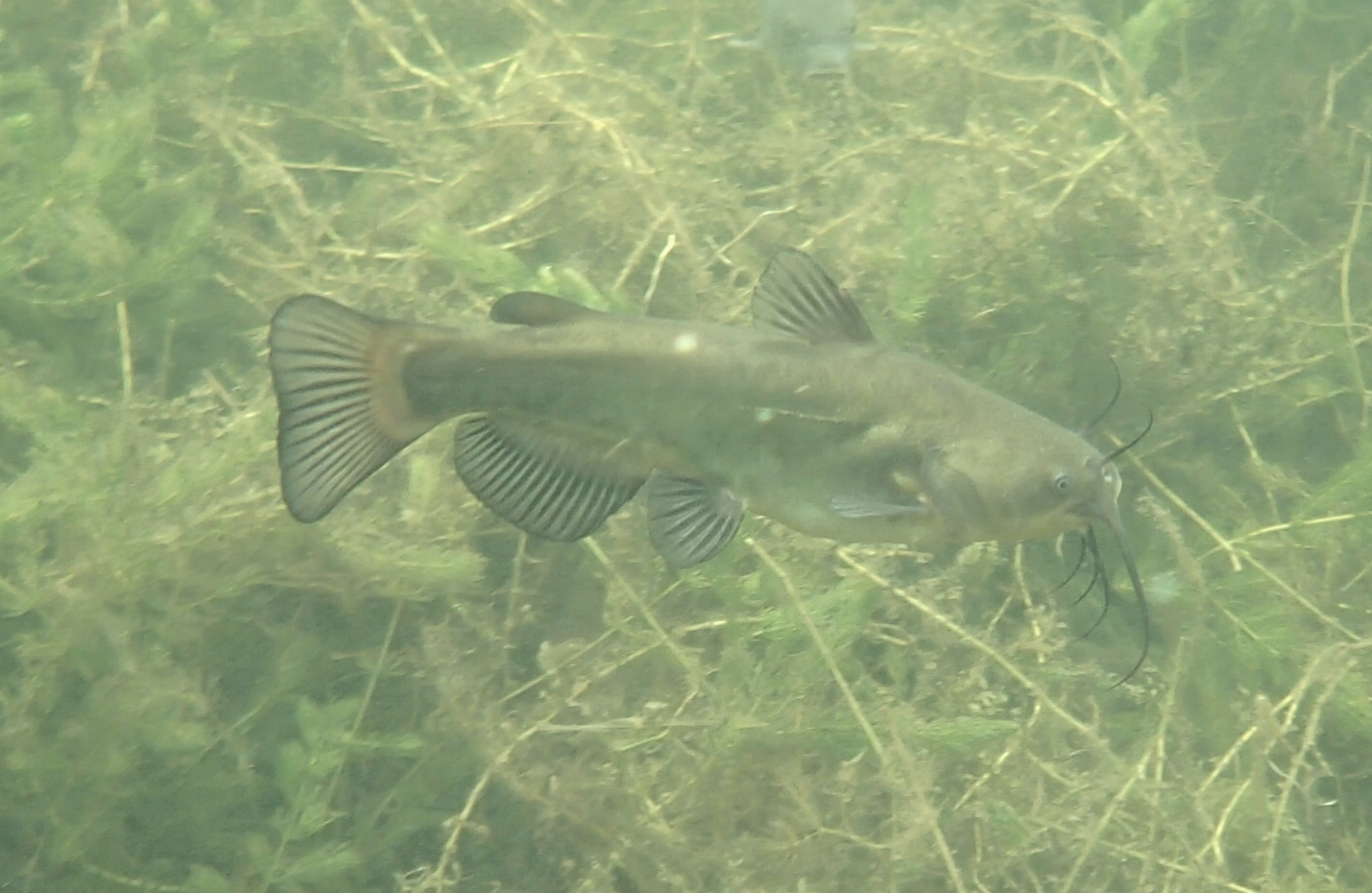
Brown bullhead, strange looking and swims in the dark corners of the creek                            In January, this will be the only fish that will survive  due to the lack of oxygen in the water I hope the other fish get the message, and swim downstream to the Chain of Lakes.

Sam Barczak

photo by Sam Barczak

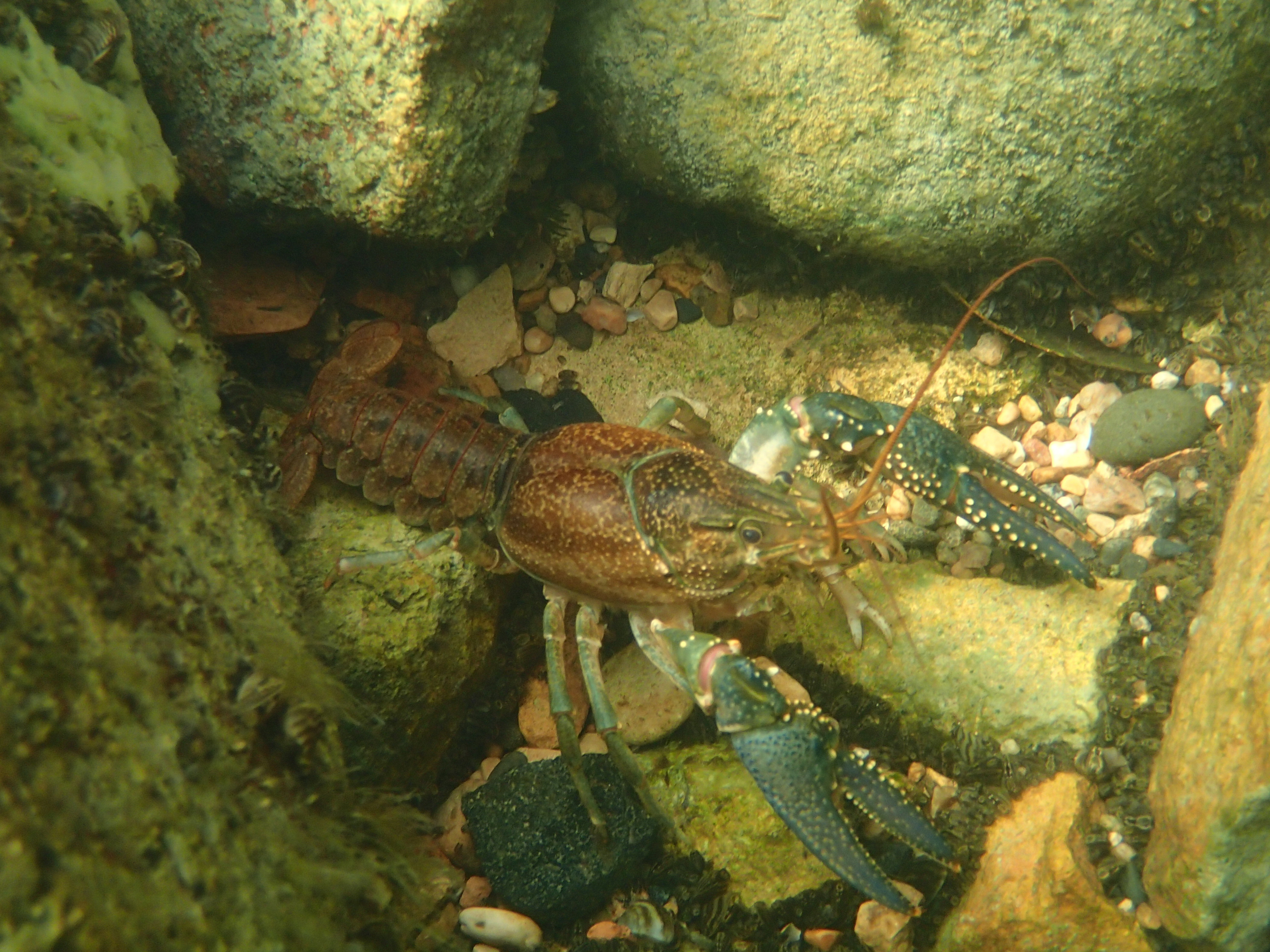
Sam showed me how to find a crayfish.                                                                                           “Look for the antennae sticking out from beneath the rock”                                                          I hope it found a new hiding place before one of the big bass grabbed it.

OLYMPUS DIGITAL CAMERA

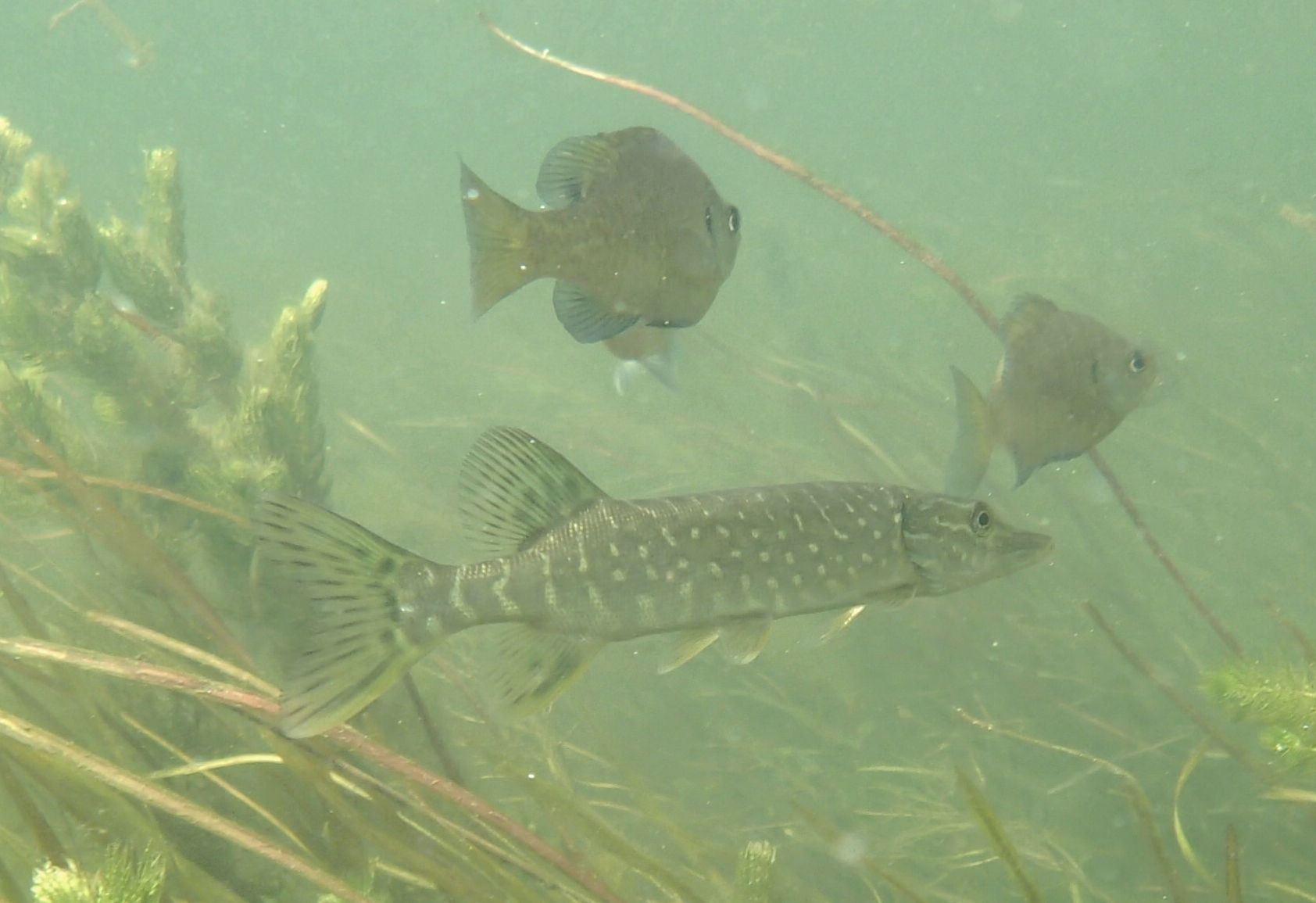
Pike                                                                                                                                                       What does power and speed look like?                                                                                              A streaking bullet,                                                                                                                               Only a blur in the water
Big enough to give me a chill up my spine
The utmost respect


Posted in Connecting to Nature, Nature Notes, Nature Poetry, Photography/Art | 10 Comments

Migrating Monarchs 2013

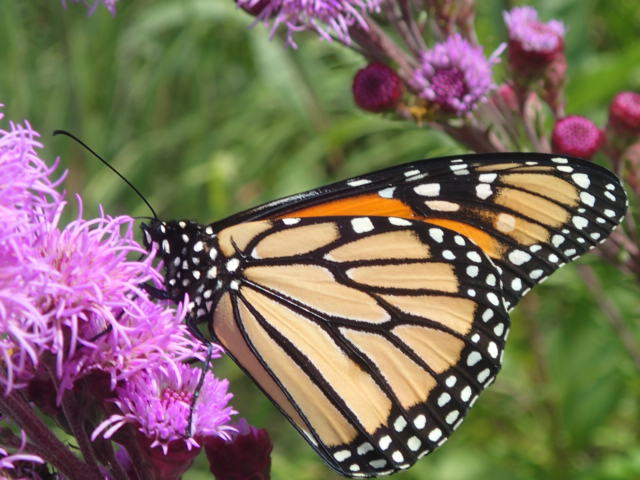
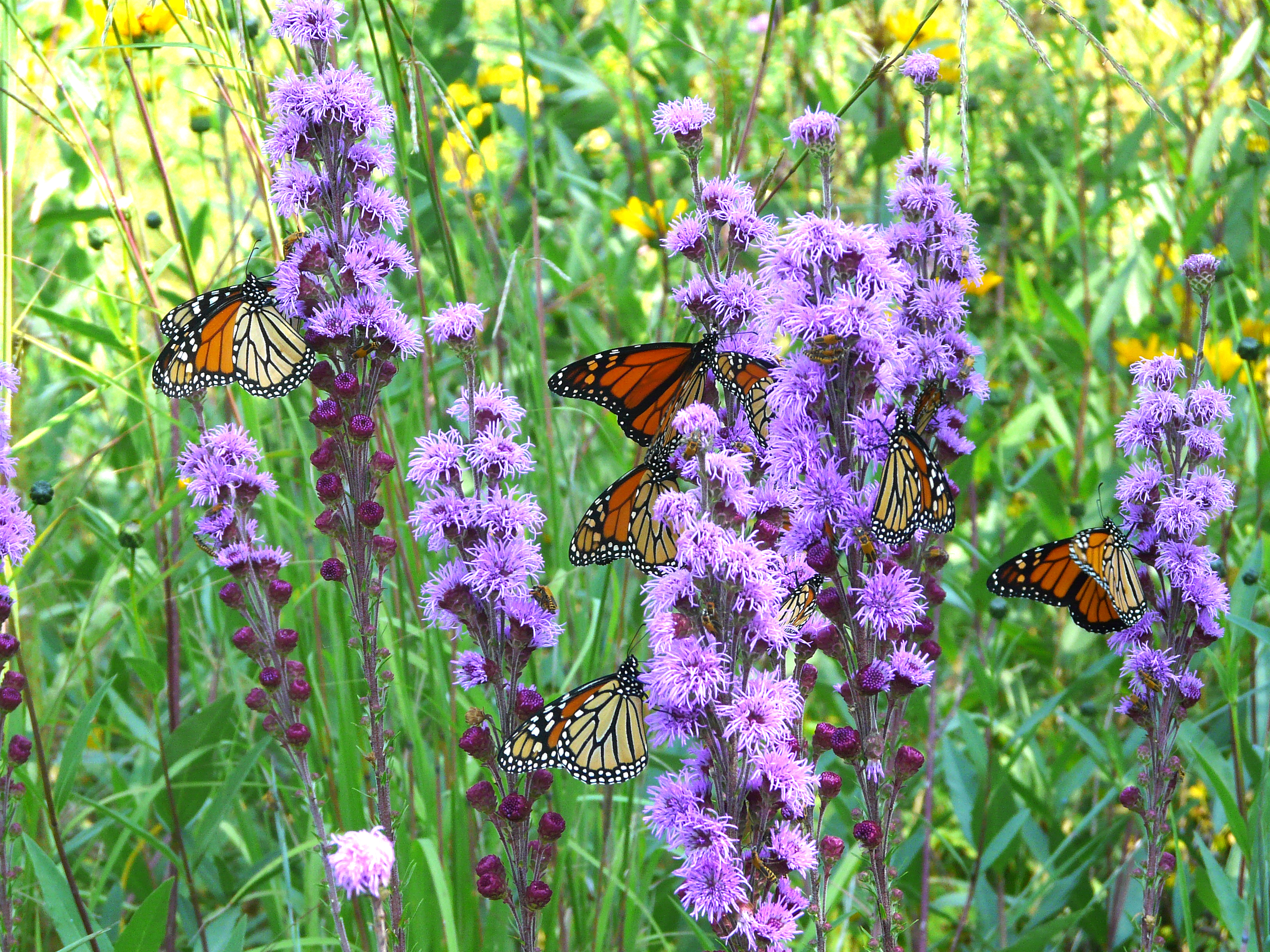
Migrating Monarch on Liatris.

Migrating Monarch on Blazing Star

Let’s face it, it has been a rough summer for monarchs! I usually look for my first monarch the first week of June. It was mid July before the first straggler showed up. In addtion, I usually have many caterpillars on my butterflyweed and swamp milkweed. I did not see one this summer. Monarchs are part of my summer experience and not being around them this summer left me feeling pretty sad. I am worried about their population numbers and if we will see more next summer.  I think I saw a grand total of 9 monarchs this summer.

Imagine my surprise yesterday, Aug. 22, I saw 6 newly hatched monarchs on one Blazing Star plant at the Friends of the Trail Prairie, Minnetonka, MN. Today when I went back to the prairie, there were 21 monarchs, all nectaring on the Rough Blazing Star (Liatris aspera). They were in perfect condition, ready for the long migration south. The wind was blowing from the south, and the butterflies were probably unable to continue their journey.

Monarch butterflies are one of the earliest animals to migrate and one of the few insects that travel south. These amazing butterflies fly over 1700 miles to the Sierra Madre Mountains in Central Mexico.

I wonder how many monarchs will be re-fueling at the Blazing Star tomorrow? Maybe none, if the north wind starts blowing. Something to look forward to…

Posted in Nature Notes, Photography/Art | 3 Comments

Bees, Wasps and Other Pollinators

OLYMPUS DIGITAL CAMERA

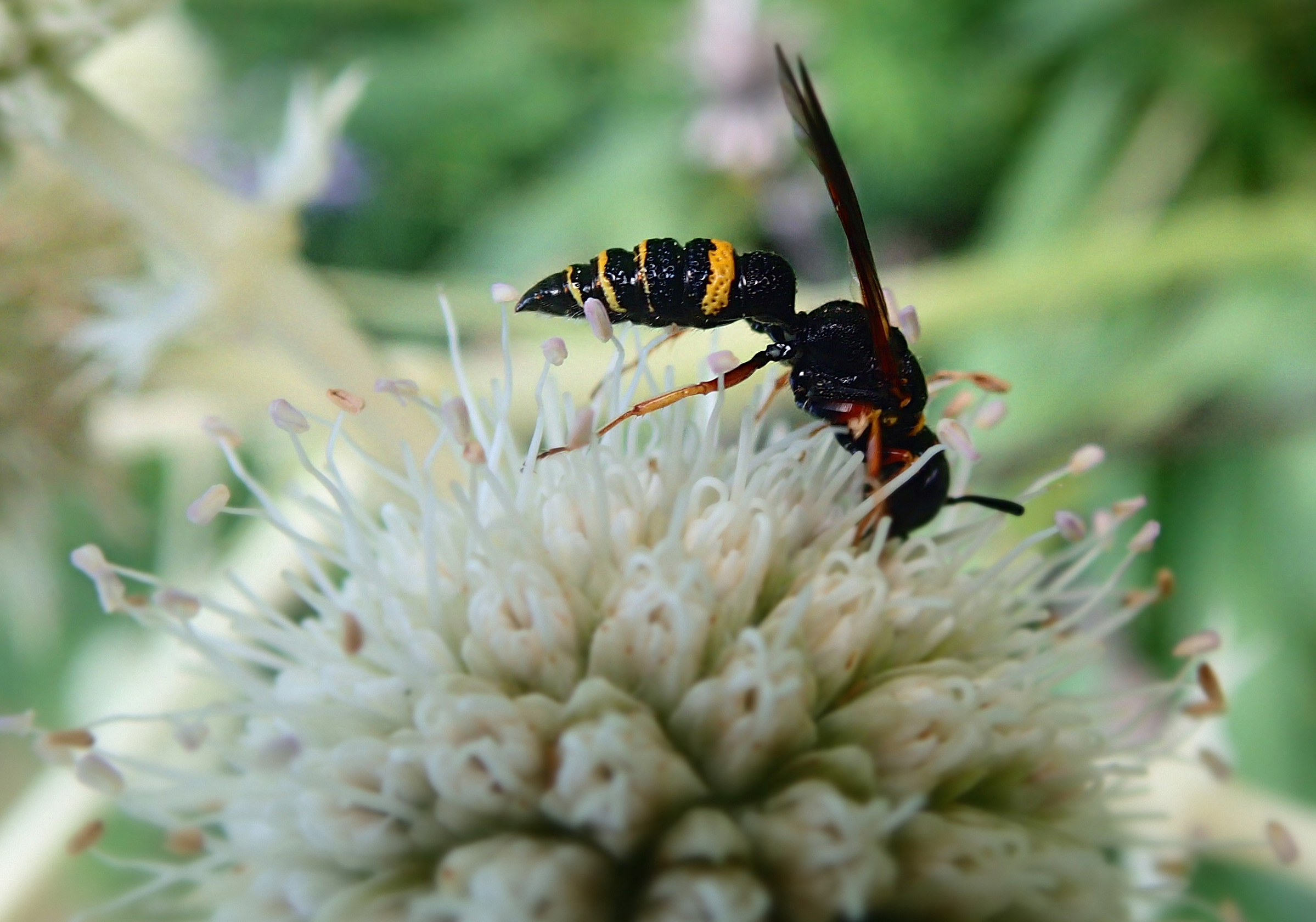
Bee Wolf on Rattlesnake Master

OLYMPUS DIGITAL CAMERA

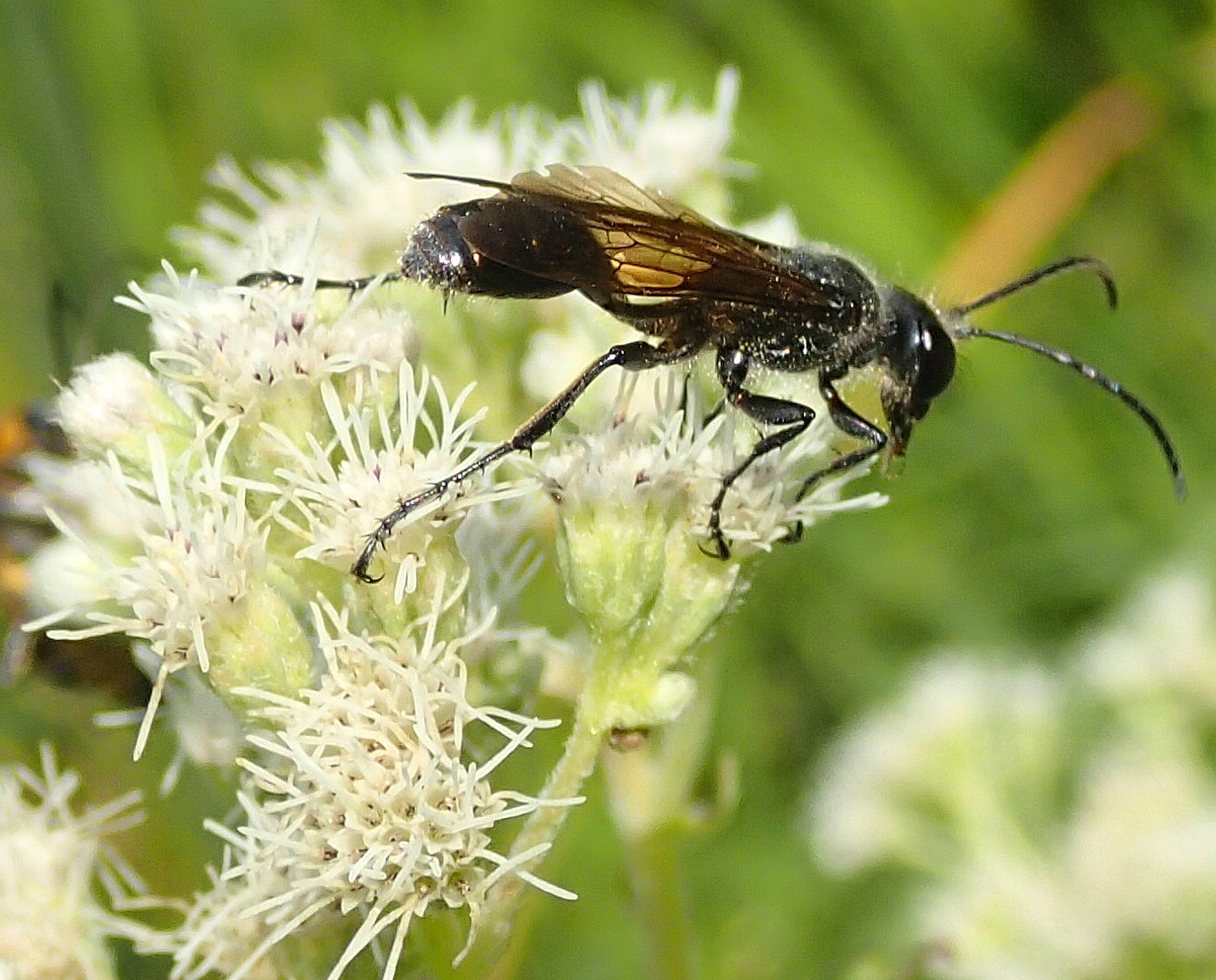
Grass-carrying wasp on Boneset

What do you know about bees and wasps? I would assume probably as little as myself. For most of my adult life, I believed that all bees/wasps stung (not true). The only bees/wasps I knew were the common ones that did sting, like bald-faced hornets, yellow jackets, bumblebees and others. Over the summer, I have been photographing and identifying several of our common native bees and wasps.

But thanks to Heather Holm at www.restoringthelandscape.com/, I have been learning about pollinators. She has 4 beautiful downloadable posters on bees and wasps at her website.

Although I am just beginning my “pollinator experience”, I feel like a whole new world has opened up to me. I can spend an hour standing in the same spot entranced by what I am seeing. The experience connects me with nature in a wonderful new way.  It also helps to have a good macro lens on your camera to catch some of the action.


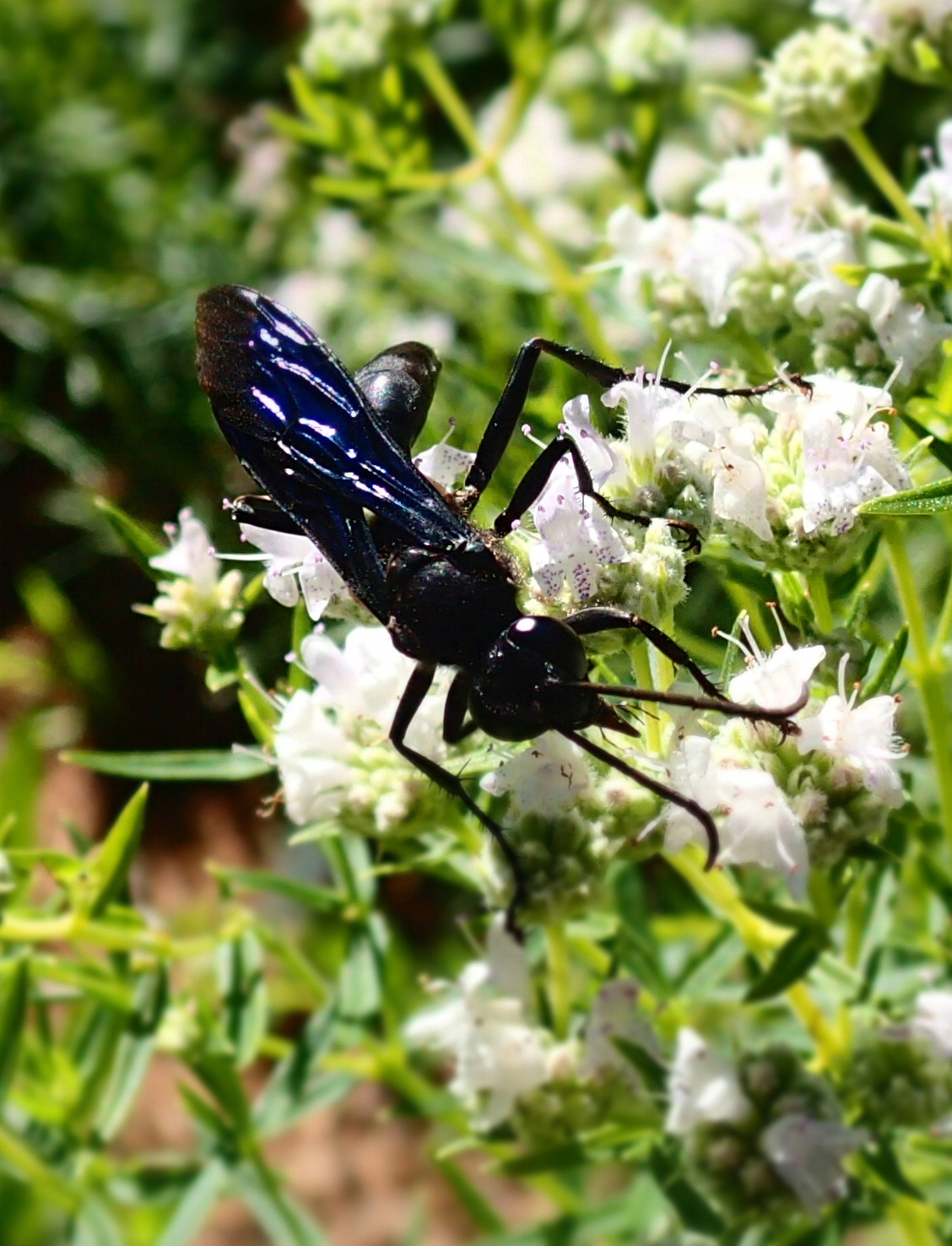
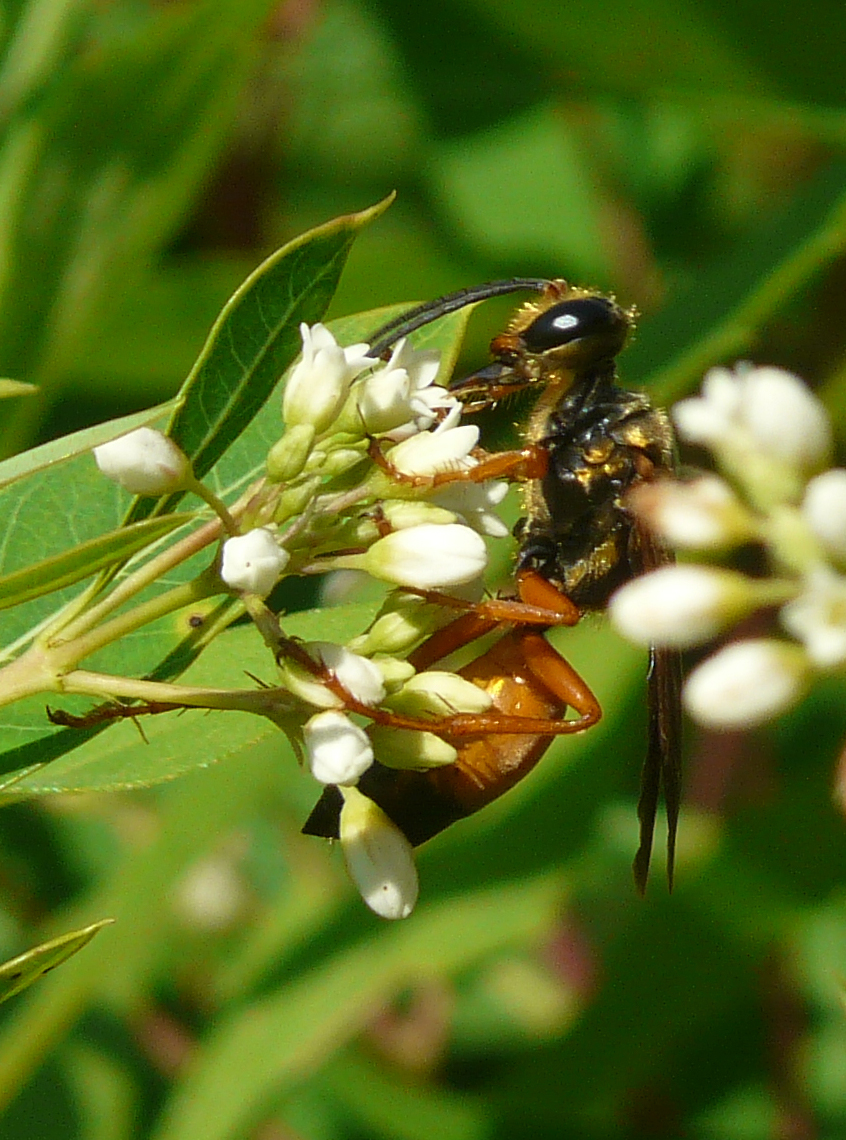
Great Black Wasp

Great Black Wasp on Mountain Mint


Another thing I have learned is that very few of the native bees/wasps sting. Even the large Great Black Wasp, does not sting. That really changed things for me because I am severely allergic to bees and I carry a bee kit with me. If I do get stung, I put some clay or crushed plantain on the wound within a minute and usually I will have no reaction.


Great Golden Digger Wasp on Dogbane.

Great Golden Digger Wasp on Dogbane.

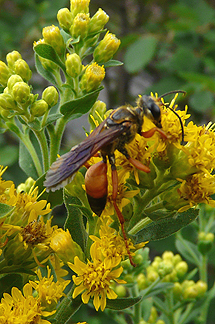
Great Golden Digger Bee on Stiff Goldenrod

Great Golden Digger Bee on Stiff Goldenrod


In past three weeks I have observed that specific flowers attract wasps. Some of those include: Rattlesnake Master, Dogbane, Mountain Mint, Boneset and Field Goldenrod. It was during the peak flowering time of each species that I saw the heaviest concentration of pollinators. I did not see what bees and wasps were attracted to in June and have not seen what plants will attract insects in September.


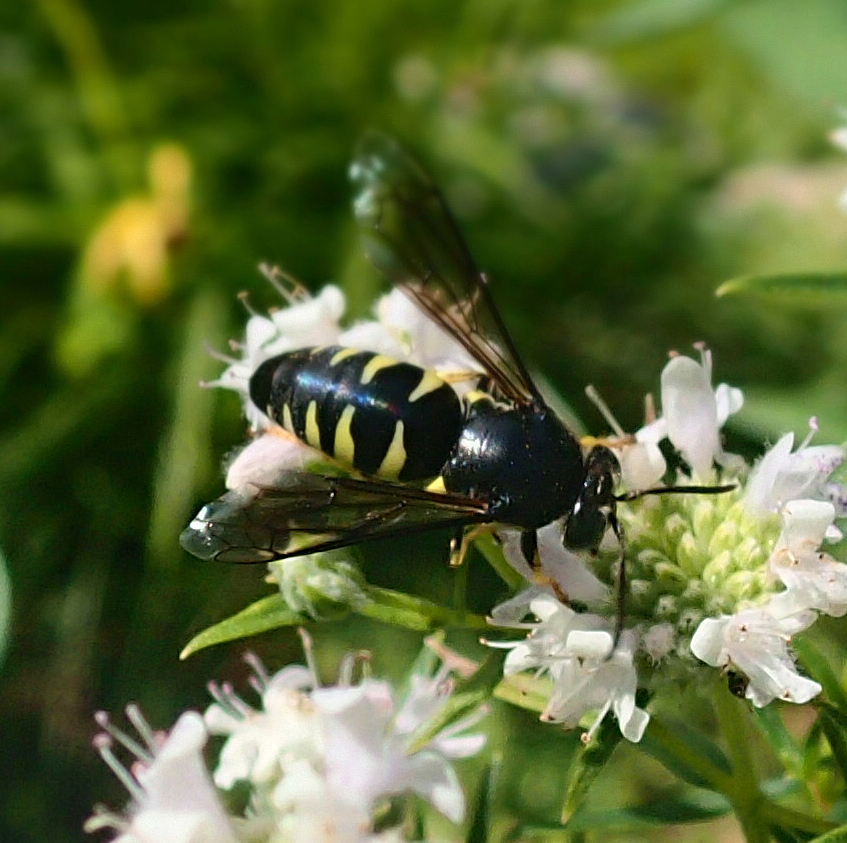
Sand Wasp on Mountain Mint

Sand Wasp on Mountain Mint


It has been a good beginning. I am looking forward to continuing to learning about these beautiful and unique creatures.


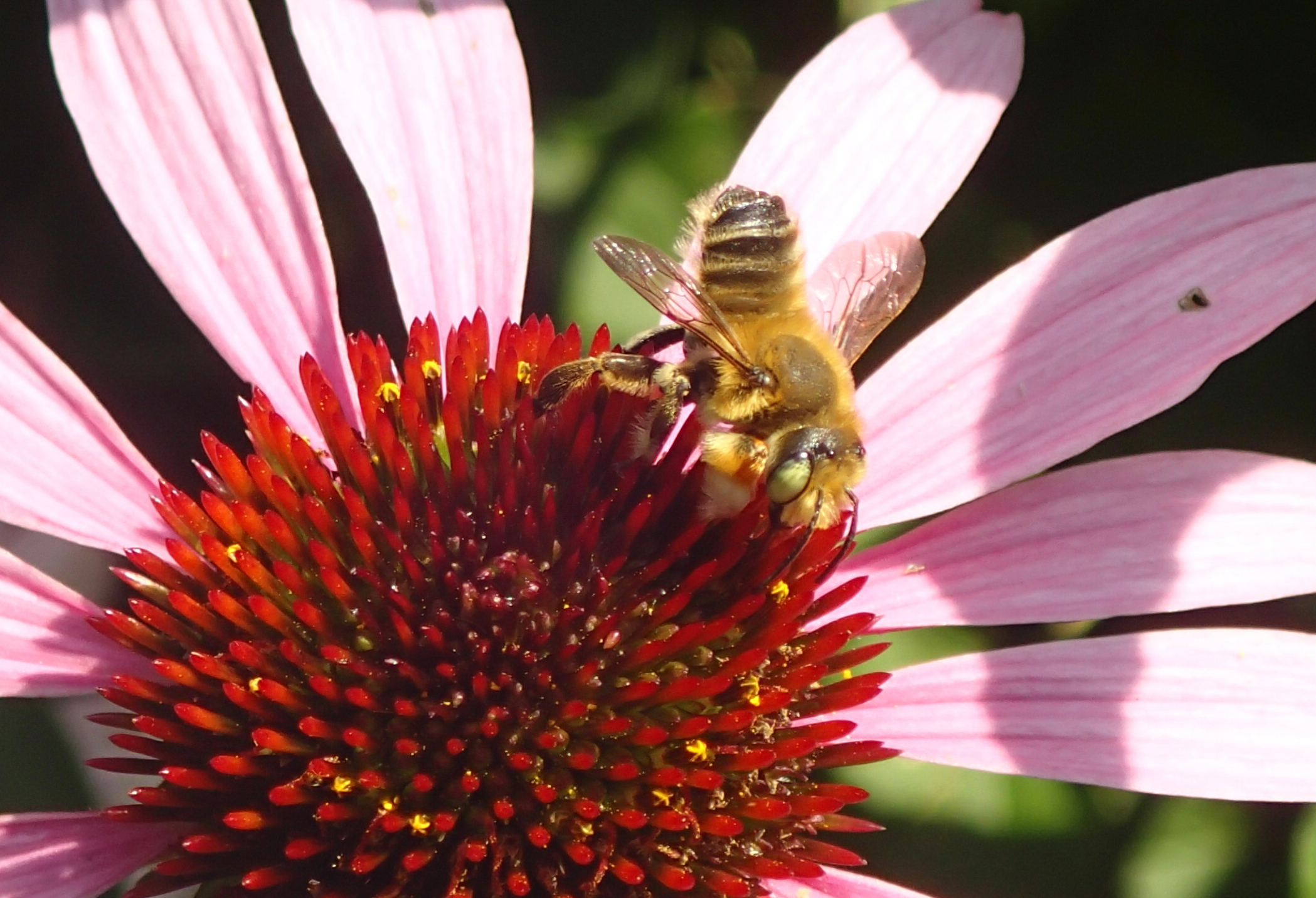
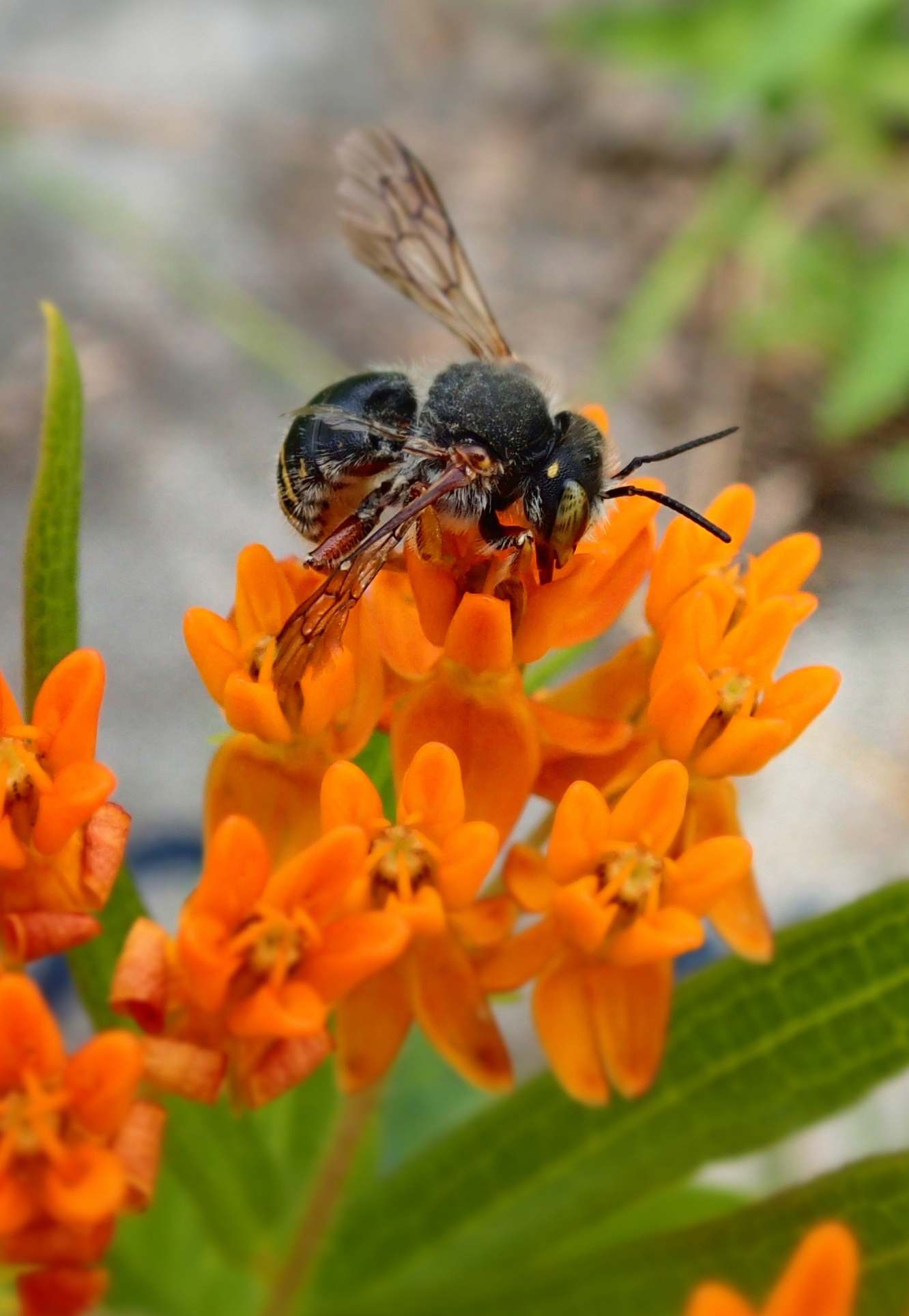
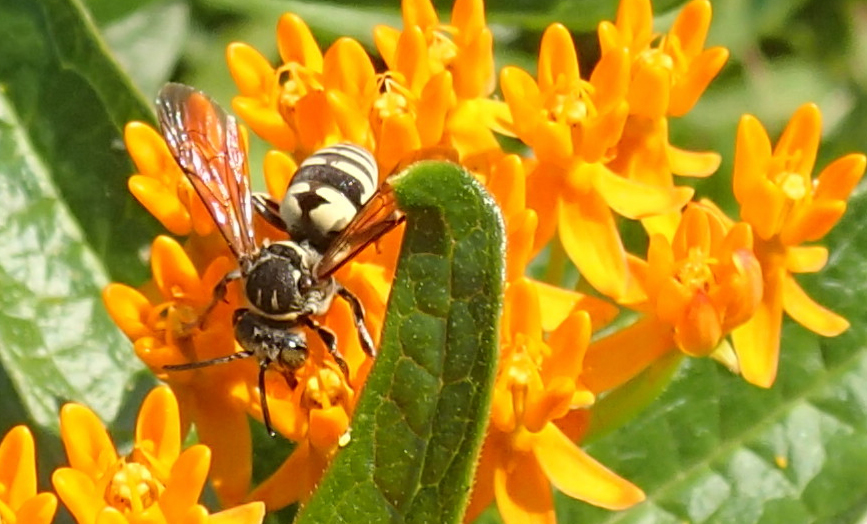
Long-Horned Bee (female) on Echinacea

Leaf-cutter bee on Echinacea

Long-Horned Bee (male) on butterfly weed

Carder bee on butterfly weed


Bee Fly on Black-eyed Susan

Bee Fly on Black-eyed Susan

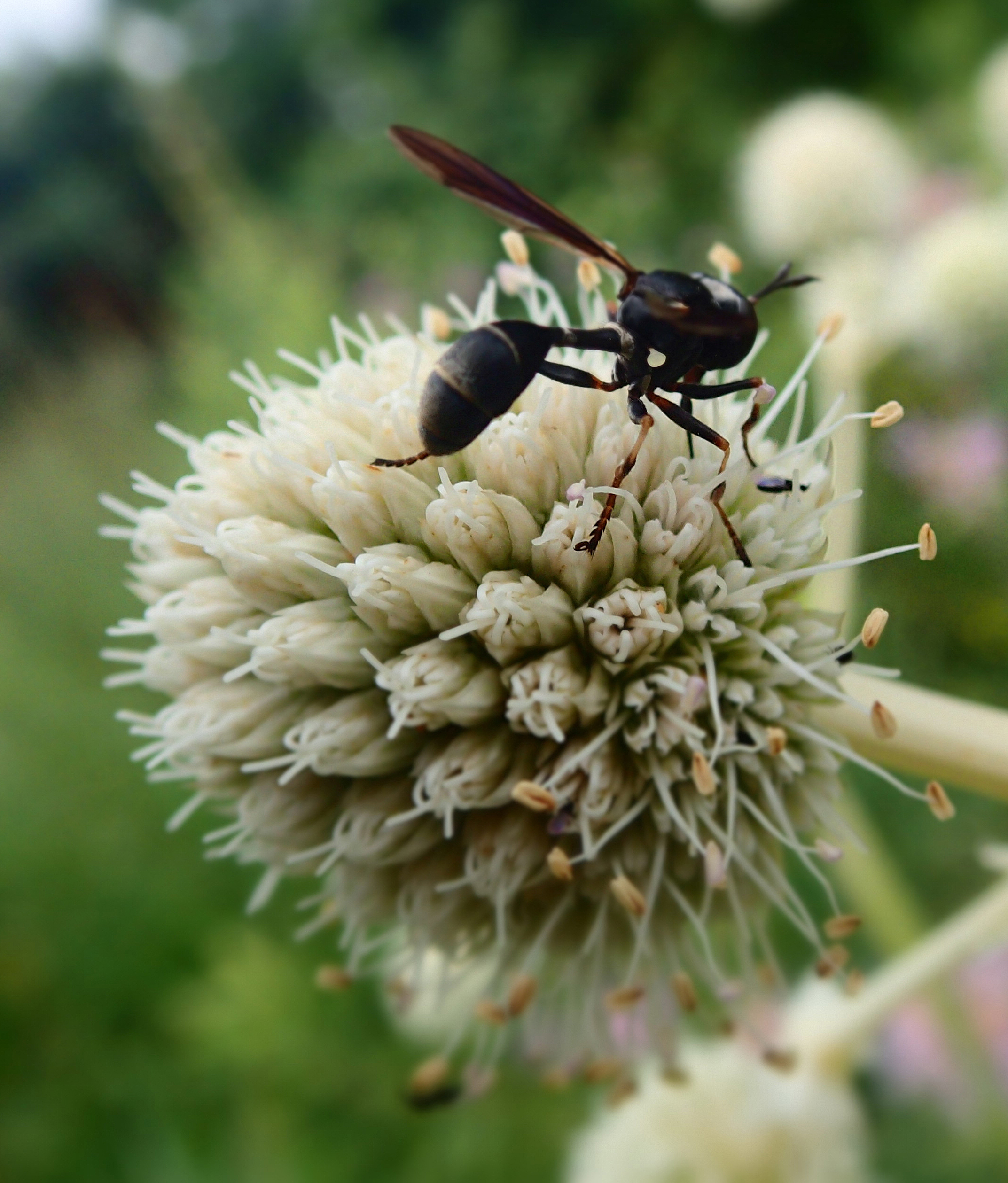
Thick-headed Fly on Rattlesnake Master

Thick-headed Fly on Rattlesnake Master


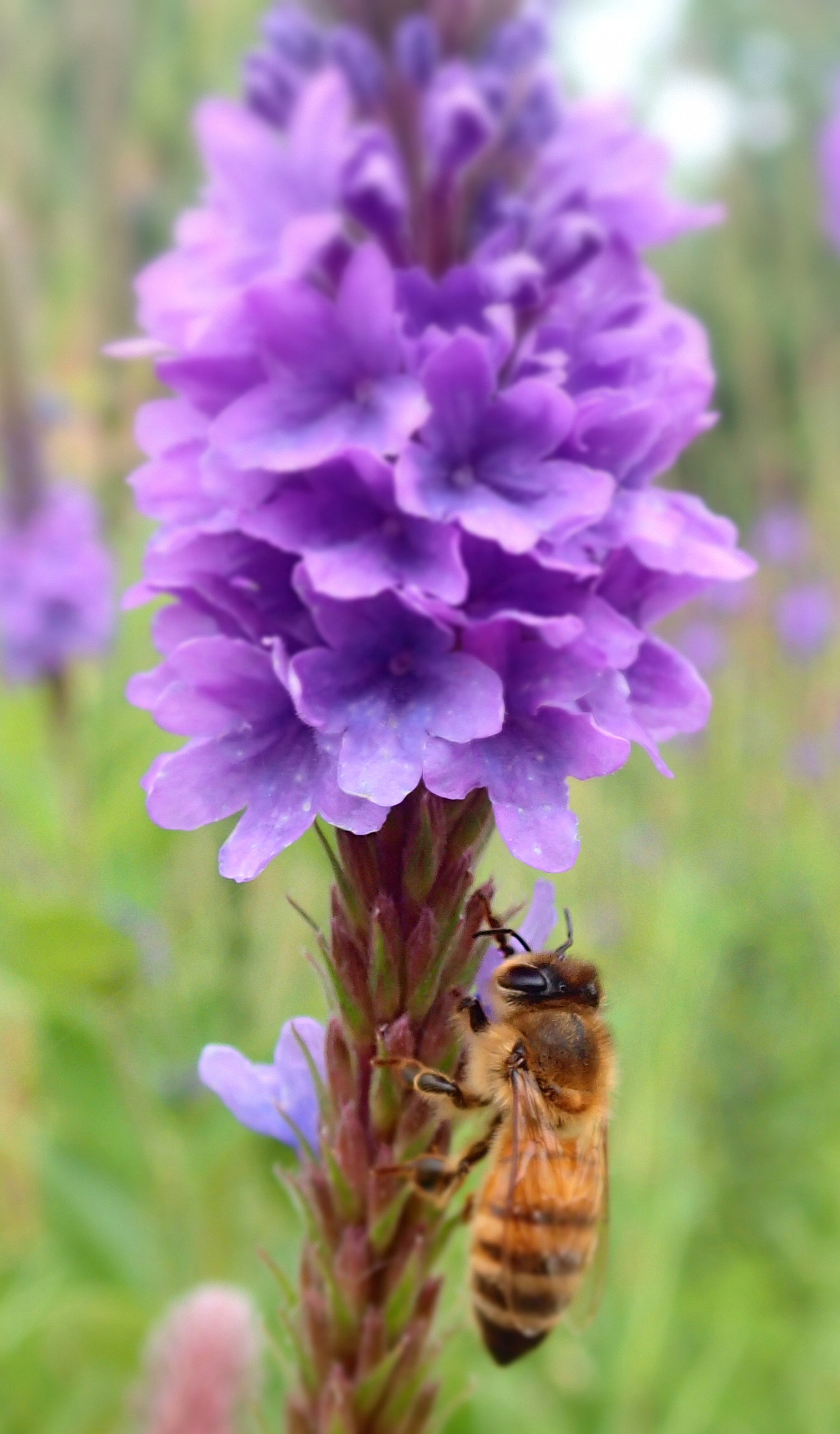
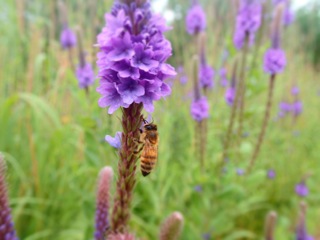
Honey bee on Hoary Vervain

Honey bee on Hoary Vervain

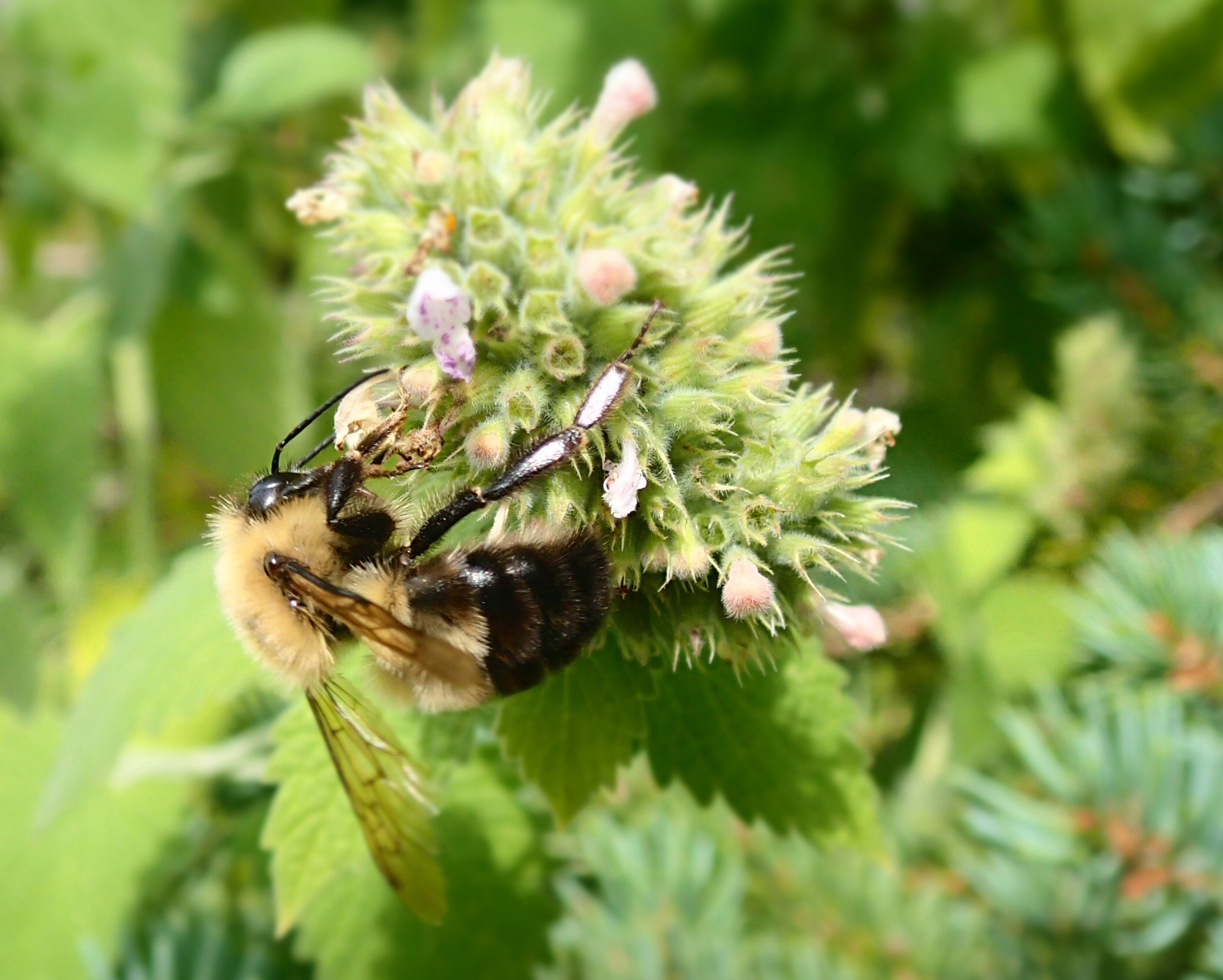
Bumblebee sp. on Monarda.

Bumblebee sp. on Monarda.


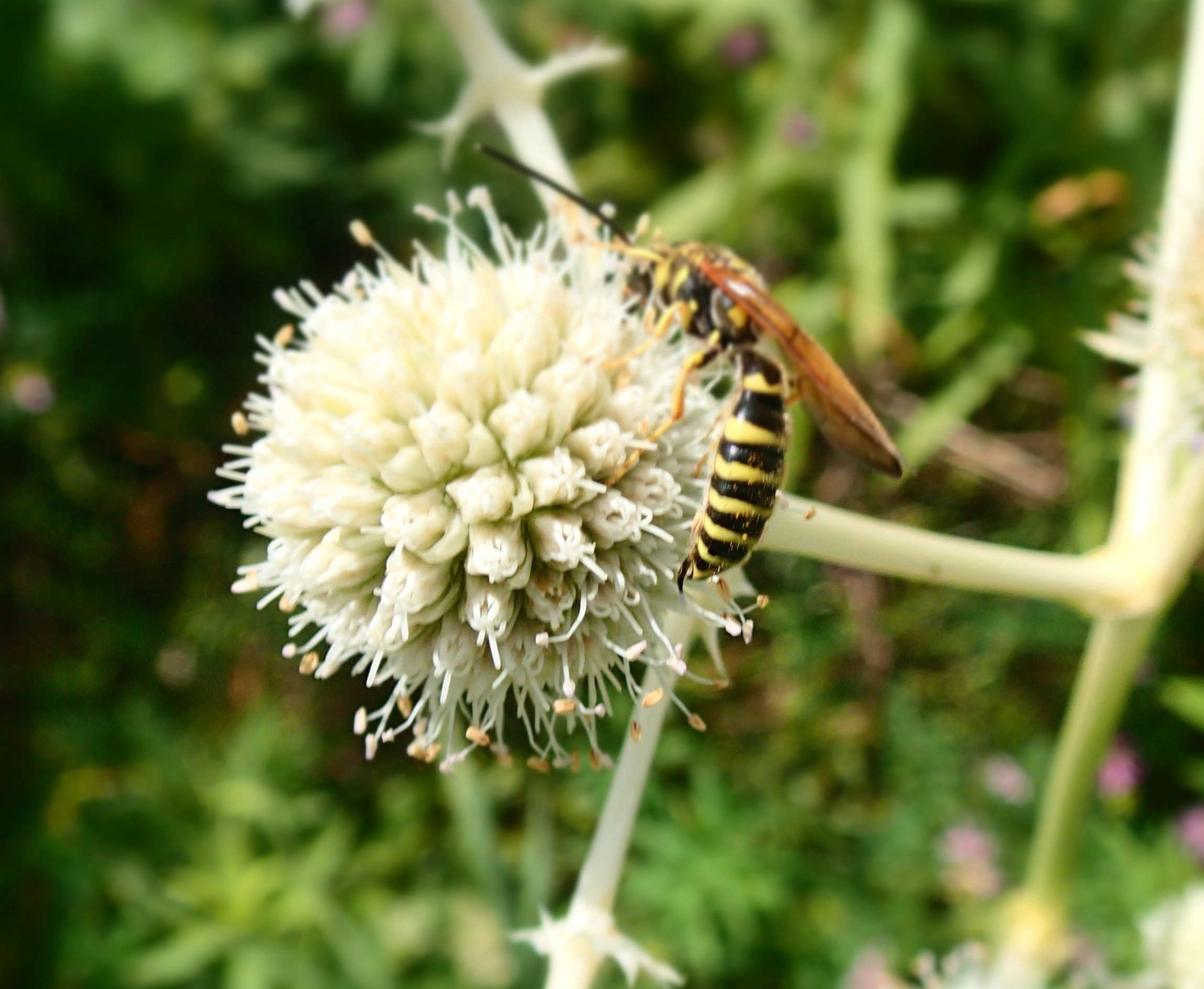
Tiphiid Wasp on Rattlesnake Master

Tiphiid Wasp on Rattlesnake Master

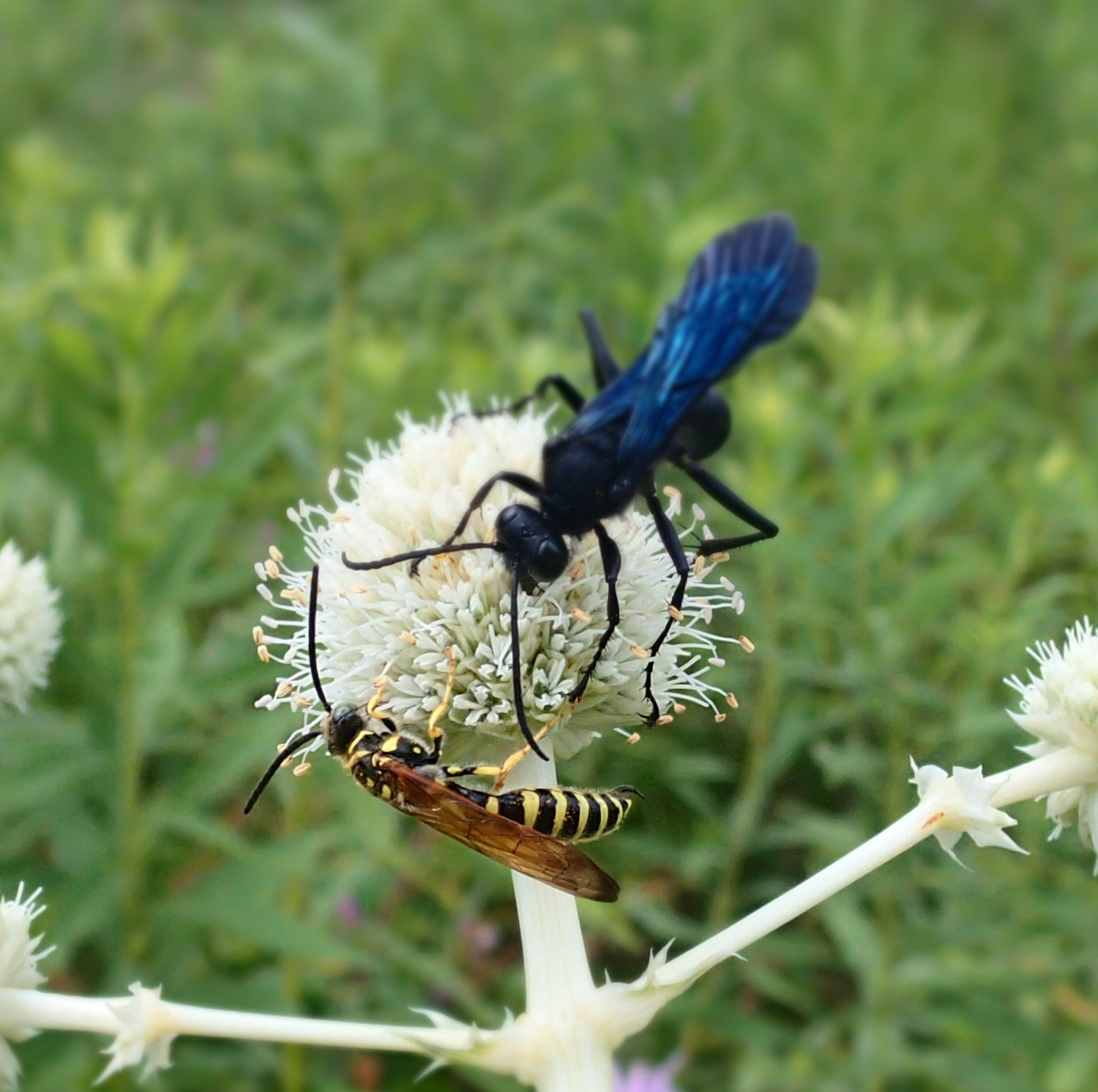
Tiphiid Wasp and Great Black Wasp

Tiphiid Wasp and Great Black Wasp


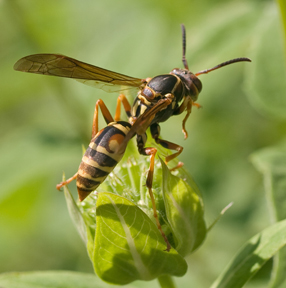
Paper Wasp (photo by Mike Farrell)

Paper Wasp (photo by Mike Farrell)

Cuckoo Bee

Cuckoo Bee


Bald-faced Hornet on Stiff Goldenrod

Bald-faced Hornet on Stiff Goldenrod

Yellow Jacket

Yellow Jacket

Posted in Connecting to Nature, Insects, Summer | Leave a comment

Sam Barczak – Field Biology Program 2013-2014

Prairie Restoration – Insect ecology and identification.
Prepared and planted native prairie grasses and forbs @ Friends of the Trail, Minnetonka, MN. Identified and photographed dragonflies and pollinators. Created prairie food web. Total hours: 4 hours.

 Lake and stream ecology
Captured and identified aquatic invertebrates; water quality testing;  snorkeled and photographed game fish in Christmas Lake and Minnehaha Creek. 8 hours

Physical Oceanography
Identified features of the seafloor; mapped oceanographic features of the seafloor; mapped global prevailing currents; created a food pyramid; fish printing; and squid Dissection. – 6 hours

Forest Ecology
Identified and aged native trees; forest restoration-removing buckthorn
3 hours.


Sam Barczak Photo Gallery

Meadowhawk sp.

Meadowhawk sp.

Halloween Pennant

Halloween Pennant

P1090855

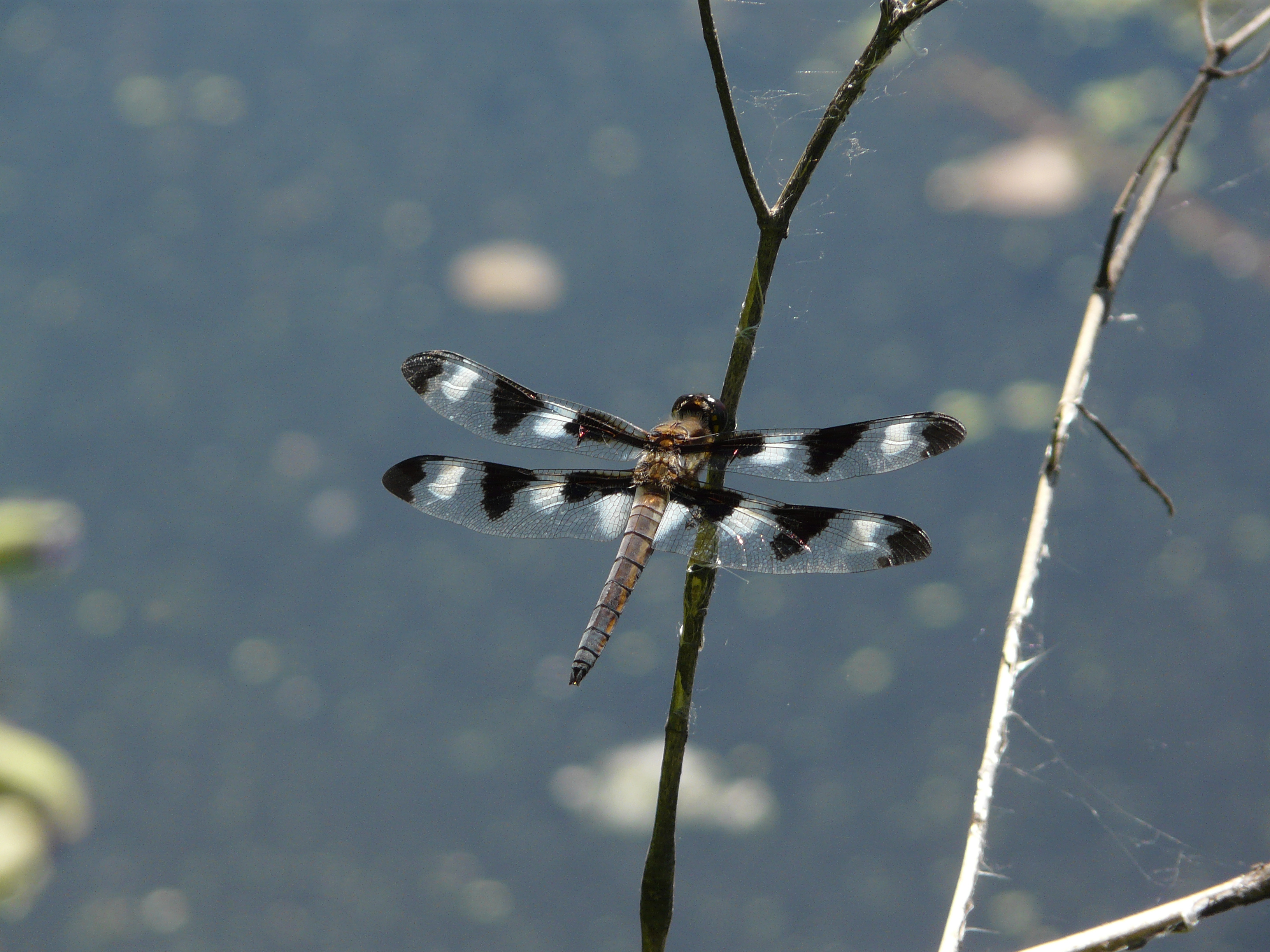
12 spotted Skimmer

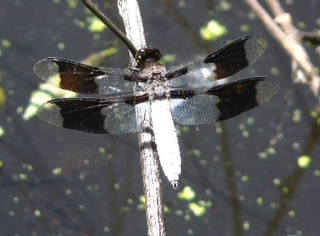
Widow Skimmer

Widow Skimmer

P1100004

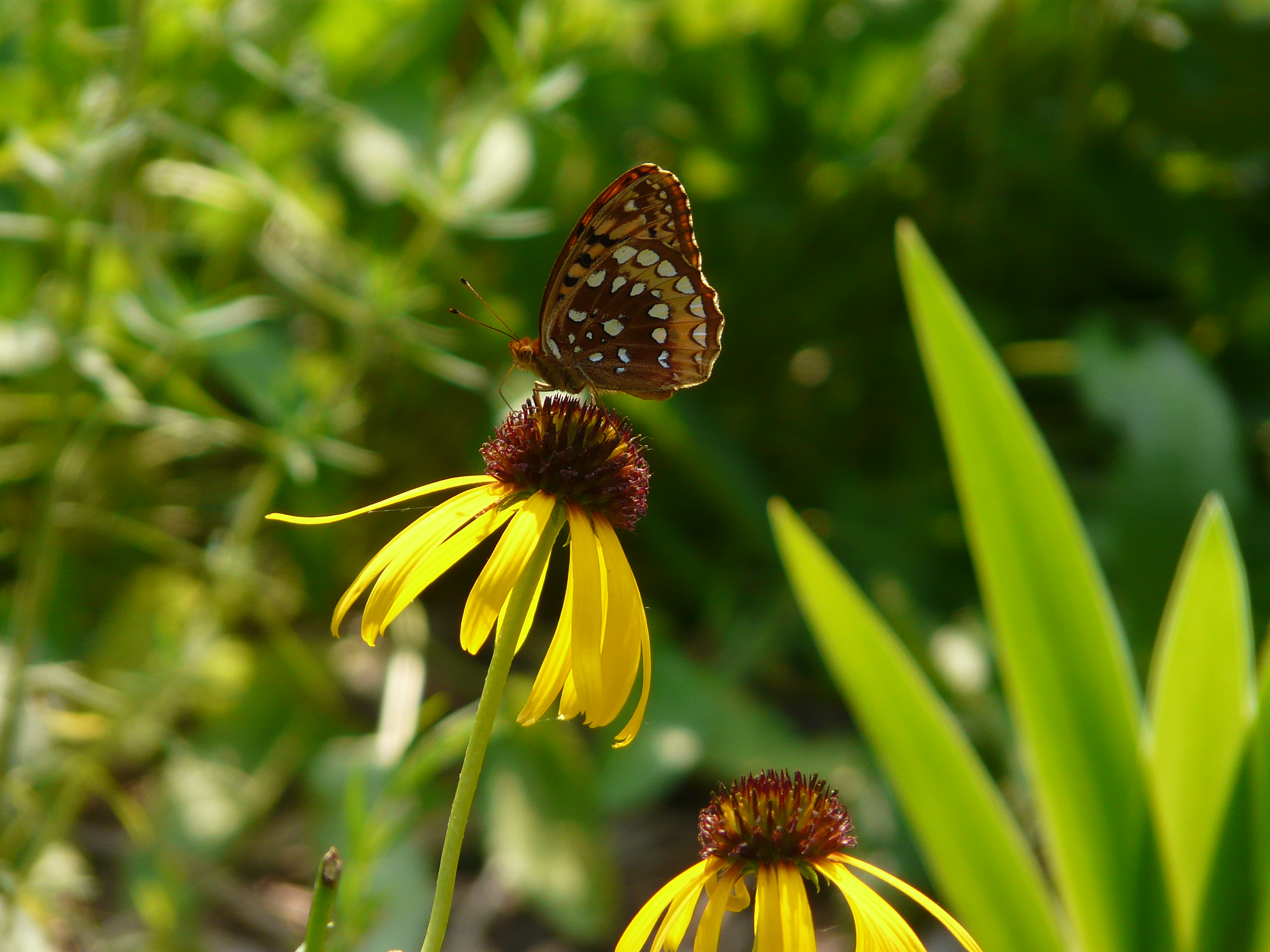
Great Spangled Fritillary

Skipper sp.

Skipper sp.

Migrating Monarch on Rough Blazingstar

Migrating Monarch on Rough Blazingstar

HoneyBeesnail


Common Whitetail

Common Whitetail

Fly


Garter snake

Garter snake

P1090930

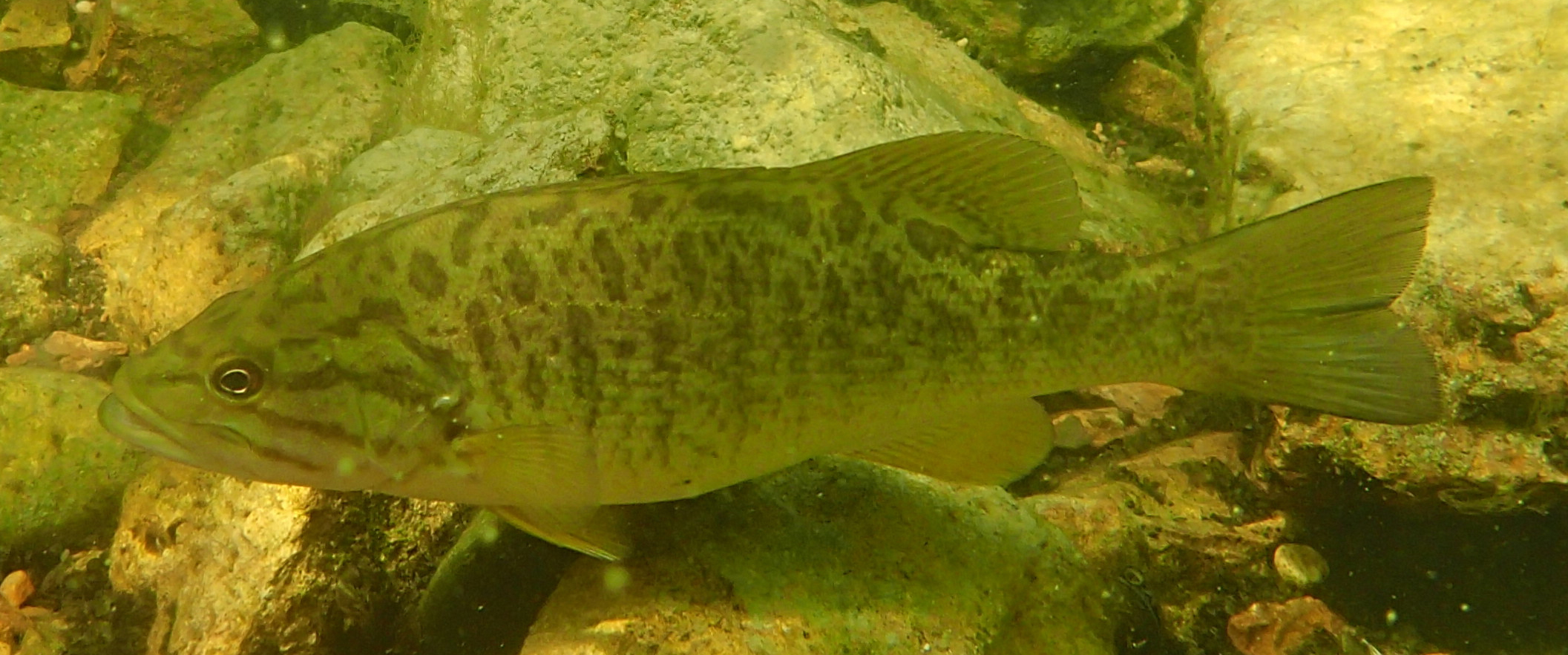
Largemouth Bass

Largemouth Bass

Black Crappie

Black Crappie


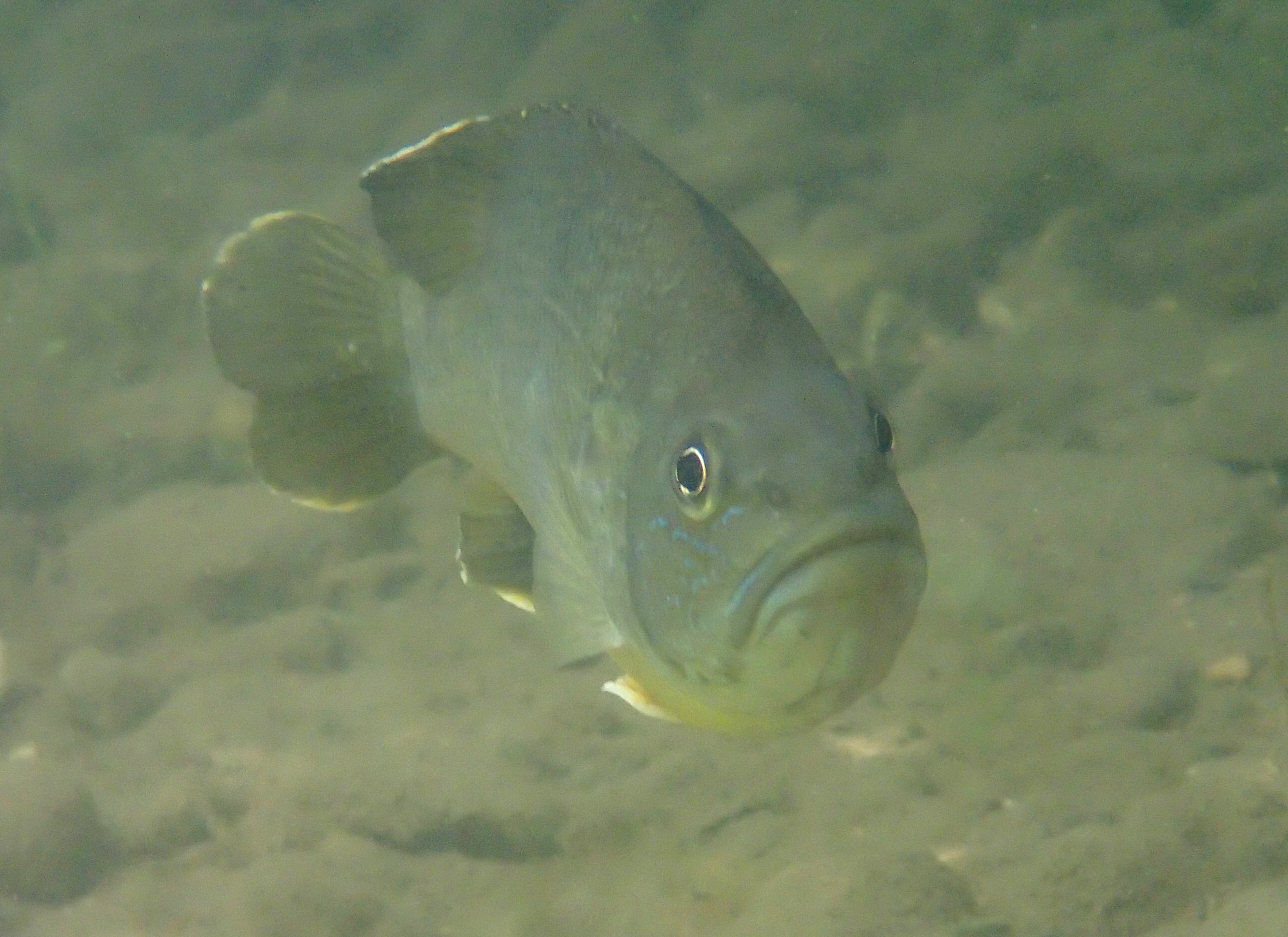
Sunfish

Sunfish


Rusty Crayfish

Rusty Crayfish

OLYMPUS DIGITAL CAMERAP1100343


OLYMPUS DIGITAL CAMERAOLYMPUS DIGITAL CAMERA


Posted in Nature Notes, Photography/Art | Leave a comment

Homeschool

GrasshopperActivitySheet

Trees

SoilBuilders

Posted in Uncategorized | Leave a comment

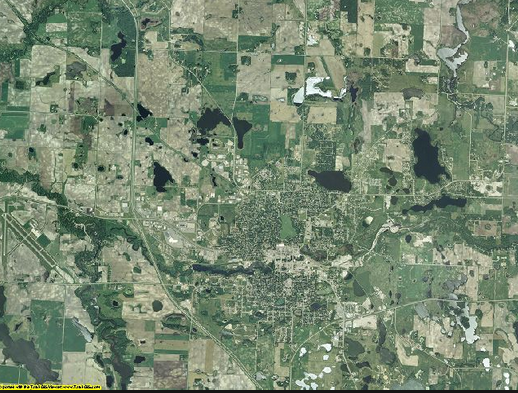
Prairie Pothole Region, NW Minnesota

aerialView Fergus Falls Otter Tail County.png

Aerial View of Fergus Falls OtterTail County.png

This aerial photo shows existing potholes and also potholes that have been filled. Over 80% of the small wetlands have been lost to human development.

How were the prairie potholes formed?

A Retreating Glacier

A Retreating Glacier © Hans Hillewaert

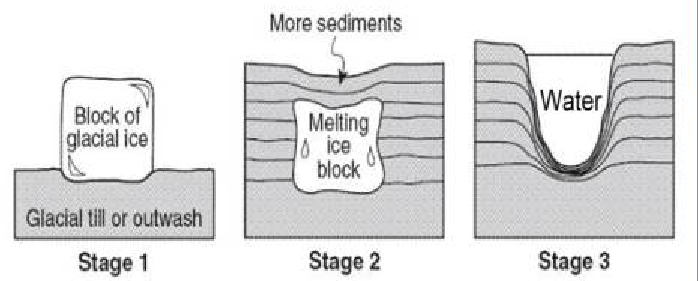
How a Pothole is formed         Regentsearth.com

How a Pothole is formed – Regentsearth.com


Roughly, 13,000 years, when the last glaciers were retreating, huge ice blocks broke off and were then buried by sediments. The weight of the ice block formed a depression in the earth, then was buried by sediments from the melting glacier. When the ice melted, it formed what is now called a prairie pothole.

How has Prairie Pothole region changed and why is it still important today?

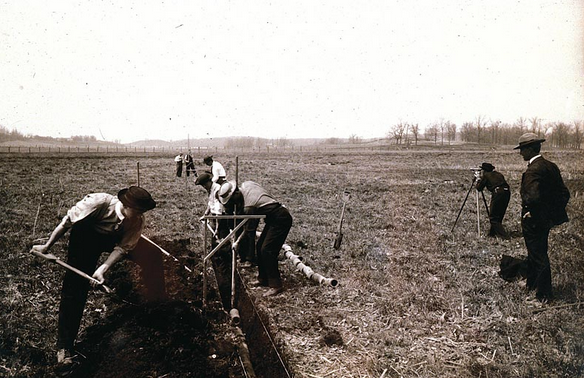
Draining a Pothole wisconsin.uwalumni.com

Draining a Pothole for Agriculture
wisconsin.uwalumni.com

Formerly a paradise for waterfowl, prairie chickens, whooping cranes, bison, wolves and other wildlife, changes to the landscape resulted in loss of more than 99% of native prairie and drainage of over 80% of the small wetlands.

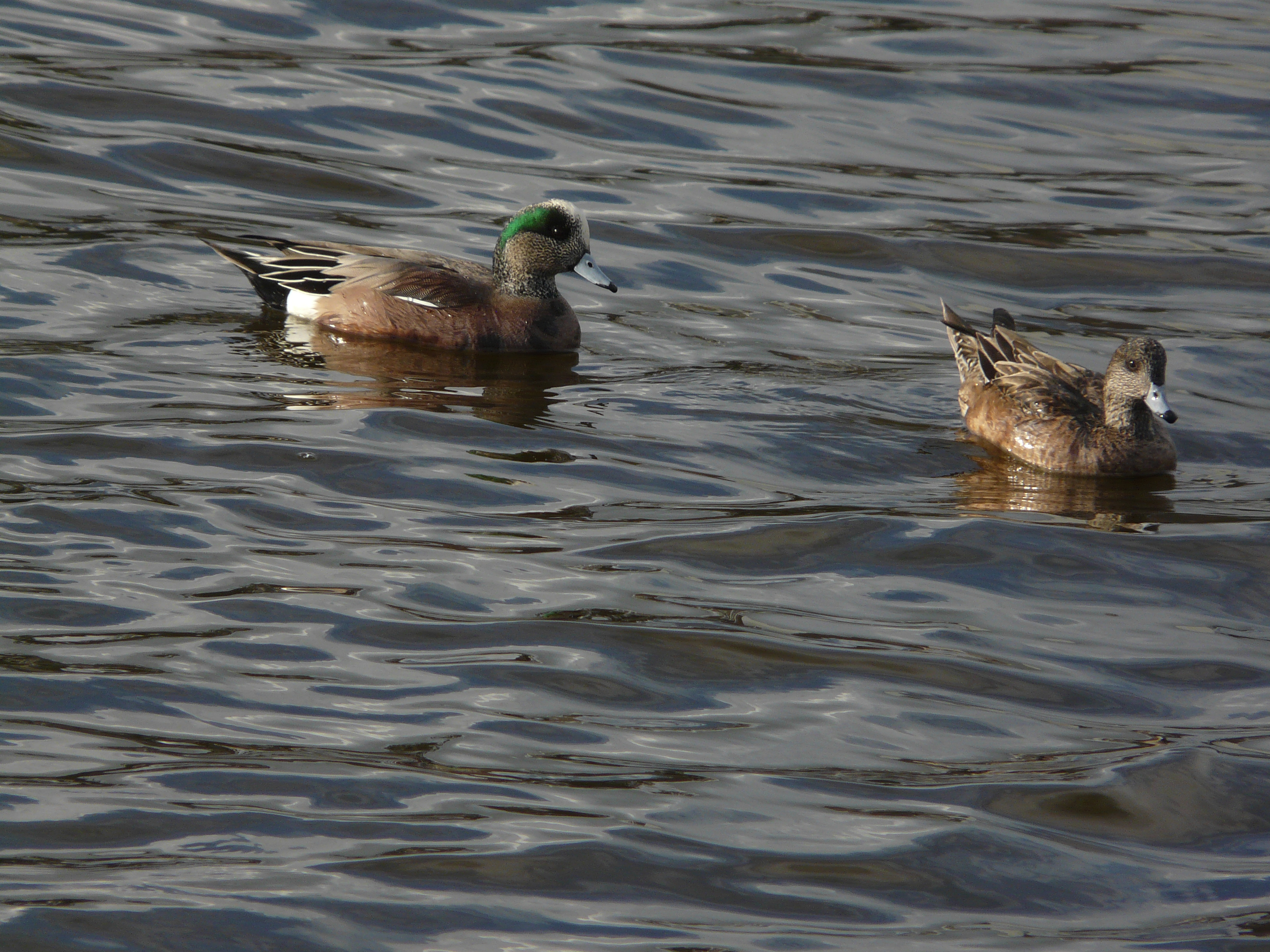
Green Wing Teal - Wade

Green Wing Teal – Wade

More than 50% of ducks hatched in North America come from the prairie pothole region.  44,000 acres in the pothole region have been restored for waterfowl on public and private lands.
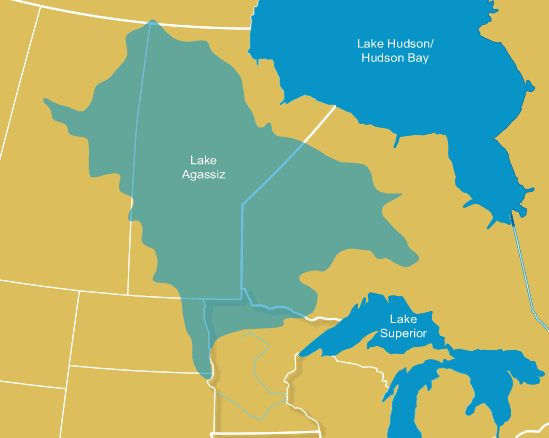
Glacial Lake Agassiz

Glacial Lake Agassiz mrbdc.mnsu.edu

Glacial Lake Agassiz mrbdc.mnsu.edu

The last glacial retreat 12, 000 years ago,  melting waters from the glaciers were blocked by a large moraine at what is now Brown’s Valley. Water was unable to flow and formed what was called Glacial Lake Agassiz. Glacial Lake Agassiz water level rose until it broke through the Brown’s Valley moraine at Traverse Gap.

aerialgeologist.blogspot.com

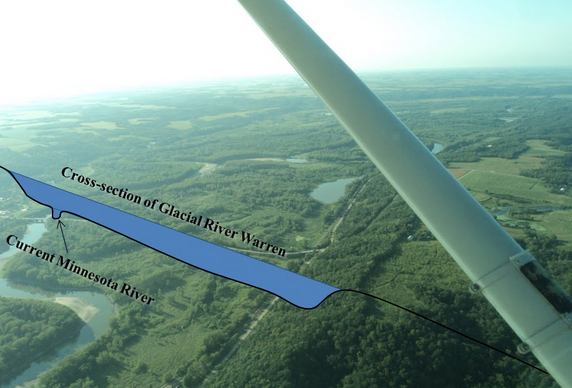
Glacial River Warren aerialgeologist.blogspot.com

The water coming out of Glacial Lake Agassiz was a huge torrent. It is  known as the Glacial River Warren and carved the Minnesota River Valley for several thousand years.

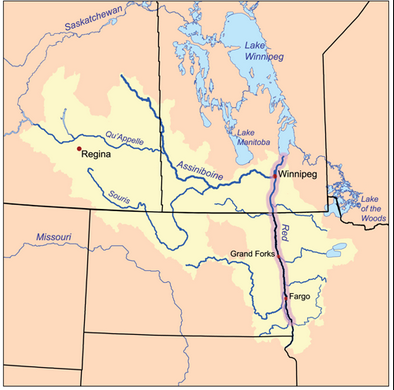
8,000 years ago, the glaciers had melted back and Lake Agassiz was so low that it no longer drained to the south through Traverse Gap.  Traverse Gap is the southern most divide between watersheds that flow north into the Arctic and south into the Atlantic Oceans. Today, the Red river flows north into Lake Winnipeg and ultimately into Hudson Bay. While the Minnesota River flows south into the Mississippi River and ultimately into the Gulf of Mexico.
Red River en.wikipedia.org

Red River en.wikipedia.org


Bering Sea land Bridge ows.edb.utexas.edu

Bering Sea land Bridge    –    ows.edb.utexas.edu

Pre historic Hunters and Gathers       io9.com

Prehistoric Hunters and Gathers
io9.com

Animal Life
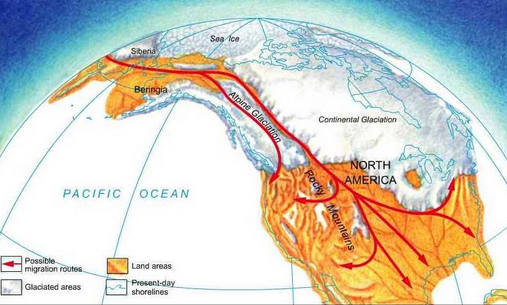
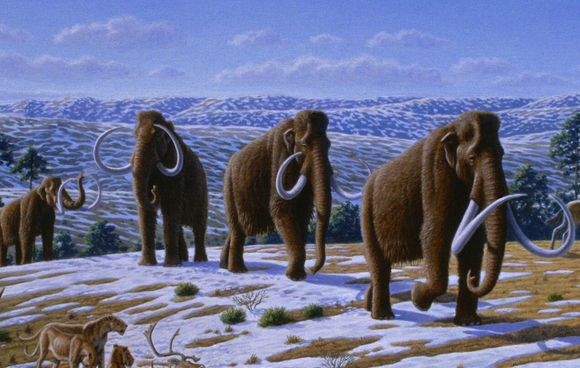
During the thousands of  years the glaciers receded it left rich soil that grew lush grasses to to feed great herds of bison and elk. Perhaps other large mammals such as wooly mammoth and giant ground sloth existed here, but the glaciers covered any possible evidence of their existence here. Where ever there was game, there were bands of pre-historic hunters and gathers. The remains of two such people exist in the prairie pothole region. The Brown’s Valley Man dates to 9,000 years ago and the Minnesota Woman from Pelican Rapids, dates to 8,000 years ago. They were members of a race of people who lived in the shadow of the retreating glaciers. Their ancestors had come to North America using the Bering Sea Land Bridge from Asia. During the ice age sea level was 300 feet lower than it is today. A bison kill site at Lake Itasca has been unearthed and was dated 8,000 years ago.
Wooly Mammoth   totatema.wordpress.com

Wooly Mammoth totatema.wordpress.com


Posted in Connecting to Nature, Summer | 1 Comment