All photos and text by Alex Munoz
Editor’s note: I am proud to say that Alex Munoz was raised in my home town of Fillmore California. He grew up at the base of Mt San Cayetano and spent a lot of time around that mountain as a boy. I went to school with his younger brother, Raul. Alex currently lives in Prescott Valley, Arizona.
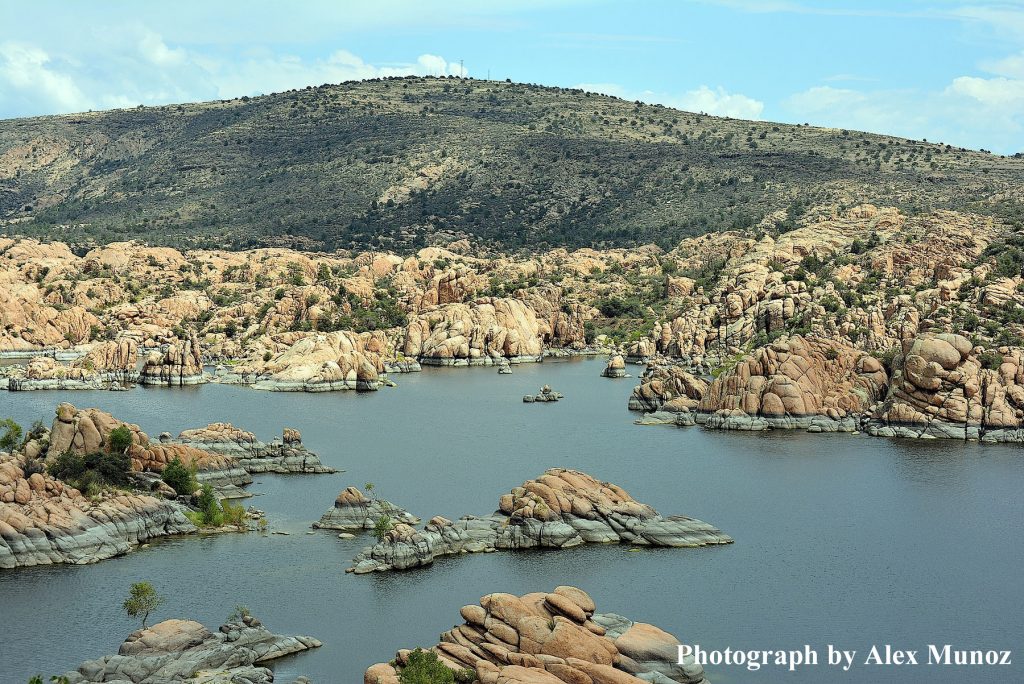
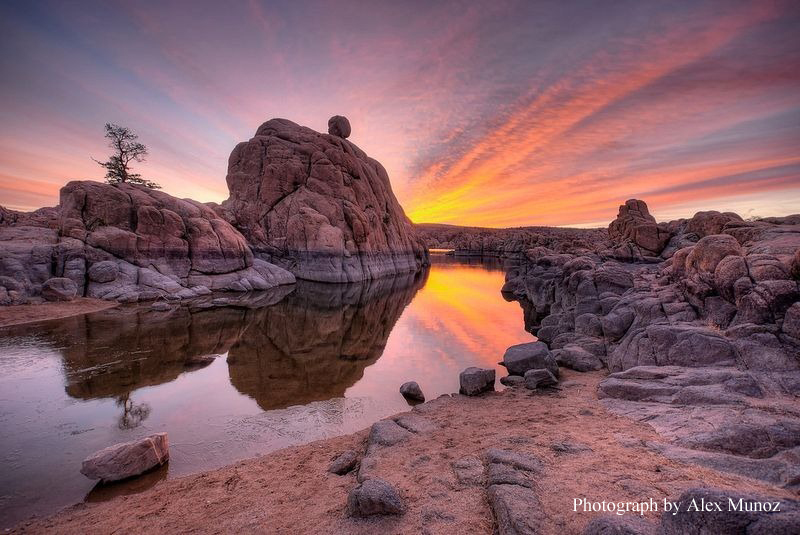
The Granite Dells, is a geological feature north of Prescott, AZ. The Dells, consist of exposed bedrock and large boulders of granite. I am not from Arizona and these granite boulders still blow me away. I’ll spend hours taking close-ups of the veins in the rocks.
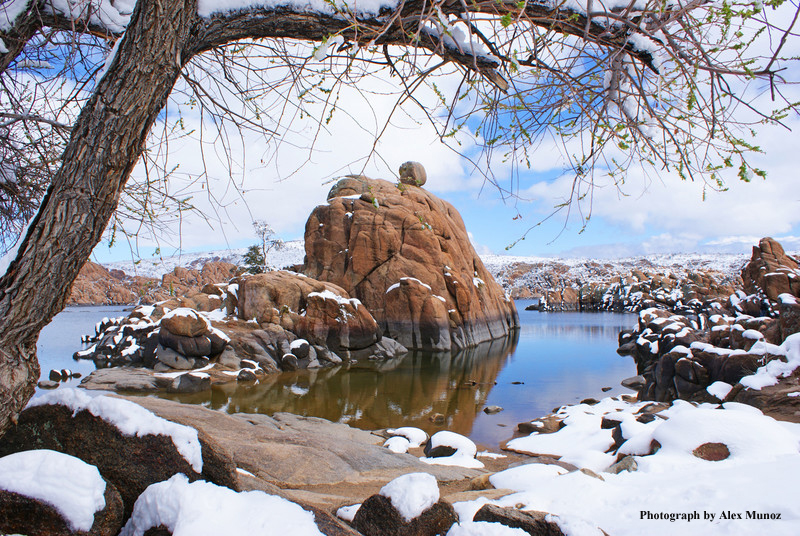
The next four photos were taken in each season of the year. I’ll revisit places several times to try to photograph something different.
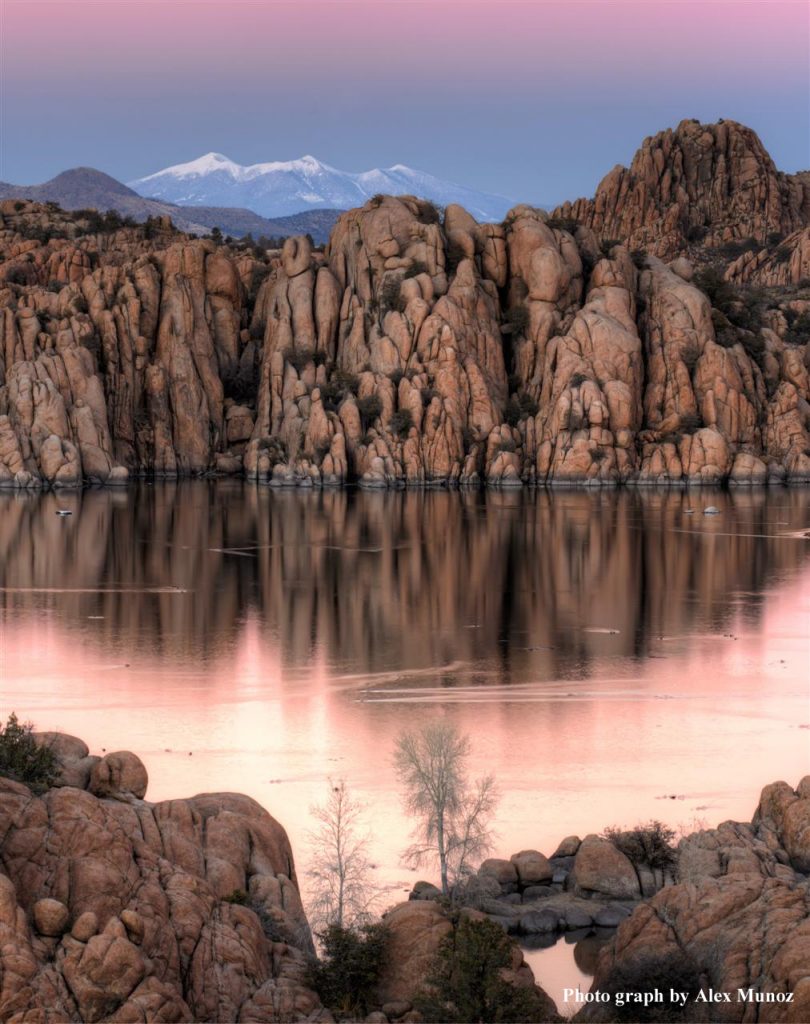
The peaks in the background of the photo below are the San Francisco Peaks, the tallest mountains in Arizona. At the base of the peaks is the city of Flagstaff, Arizona.
I’ve spent a lot of hours out there in the early in the morning and evening because the light is better for photography.
Ten years ago, I joined the local photography club and developed a passion for what has become a gift at my age and a wonderful hobby as well.
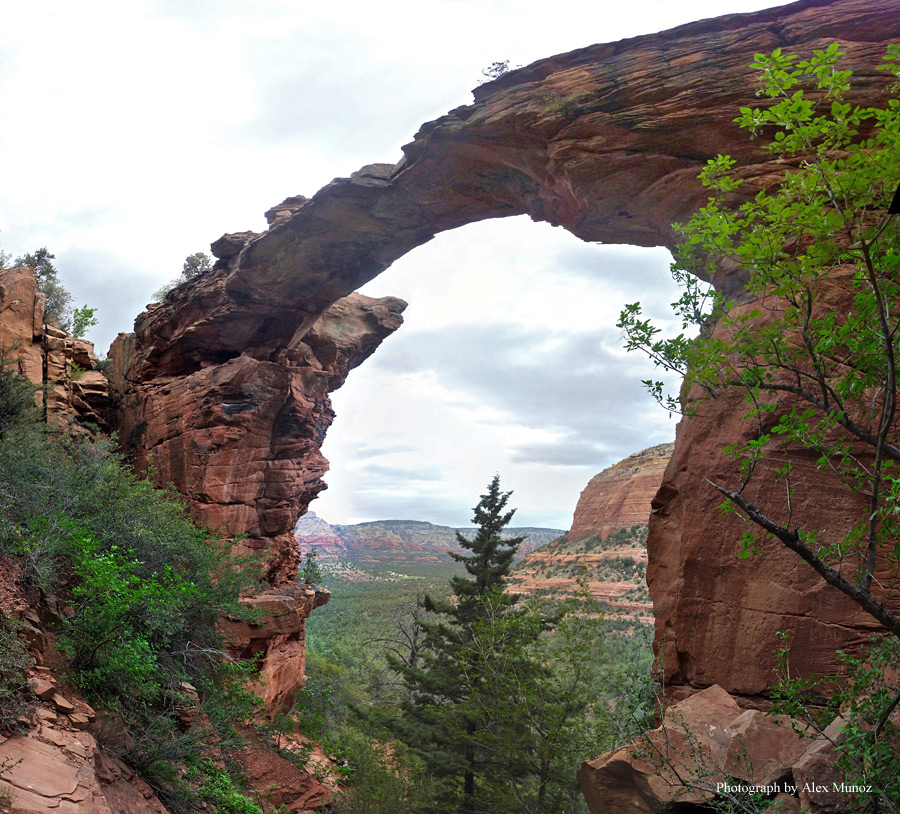
In Sedona, this fall, it was a steep hike up to Devils Bridge. However, it was well worth the hike, as you can see from the next two photos .
I feel a very strong connection to the land. That is why I am always getting outside.
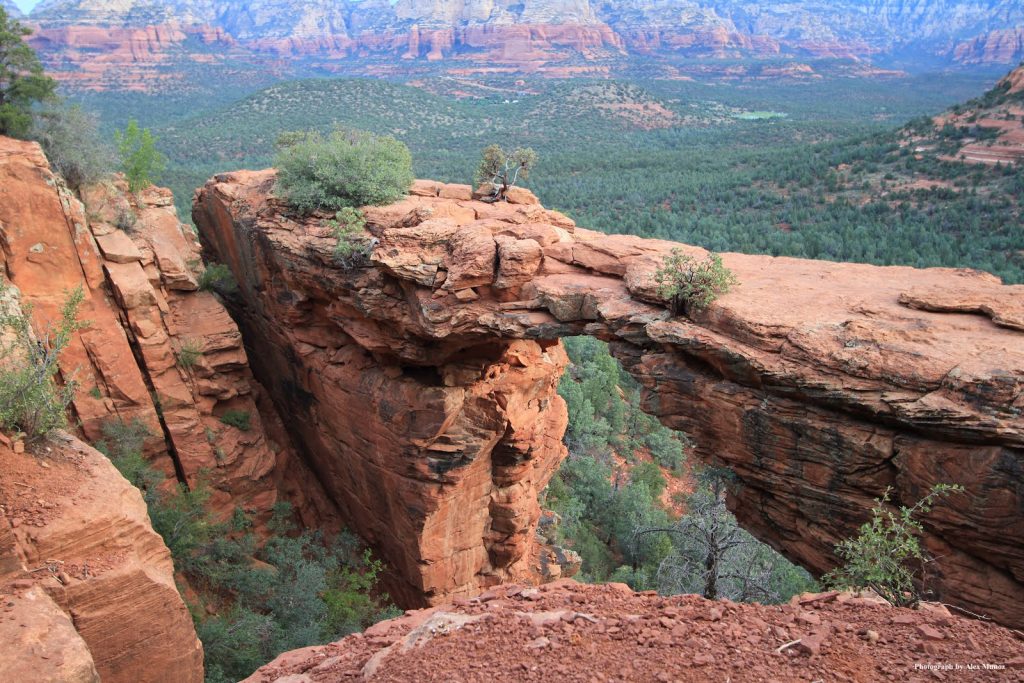
In the next two photos, you can see the light changing in the afternoon, as we made our way back to the trail head from the Devil’s Bridge.
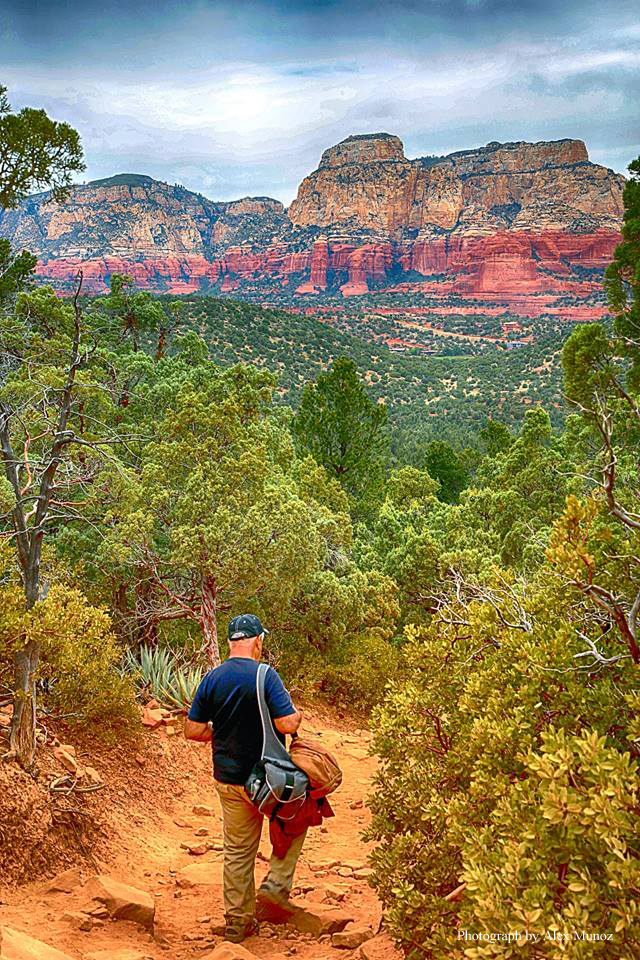
Whatever light I had at any given moment was the light I needed to work with.
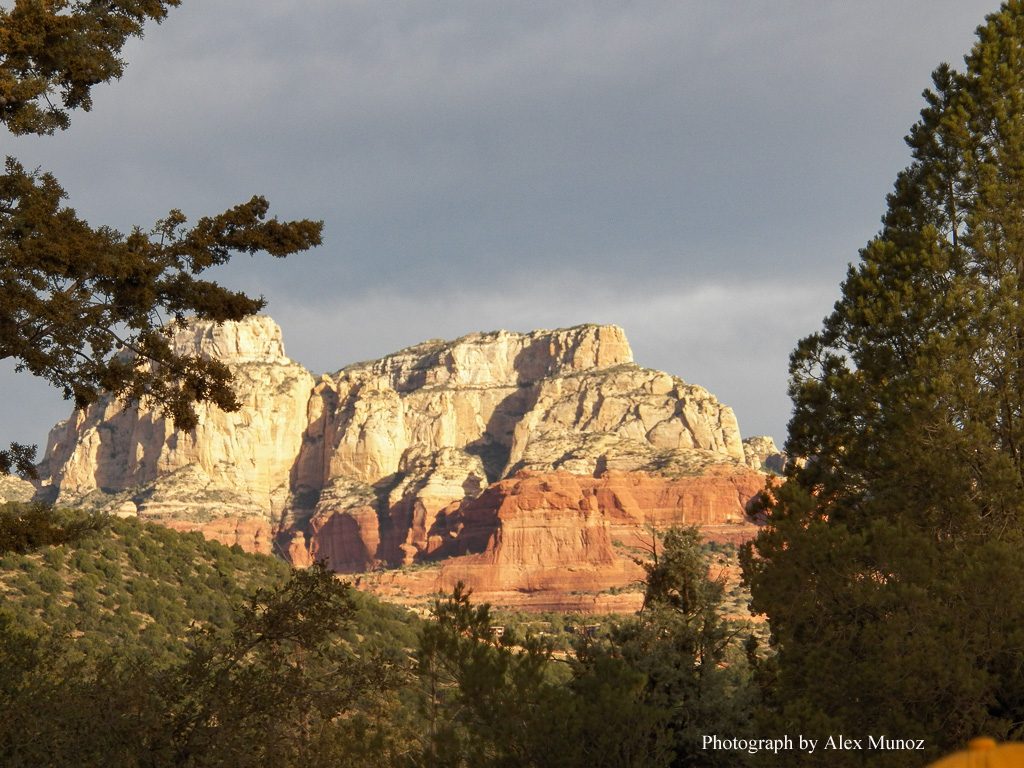
The next three photos show our approach to Cathedral Rock in Sedona, 2016.
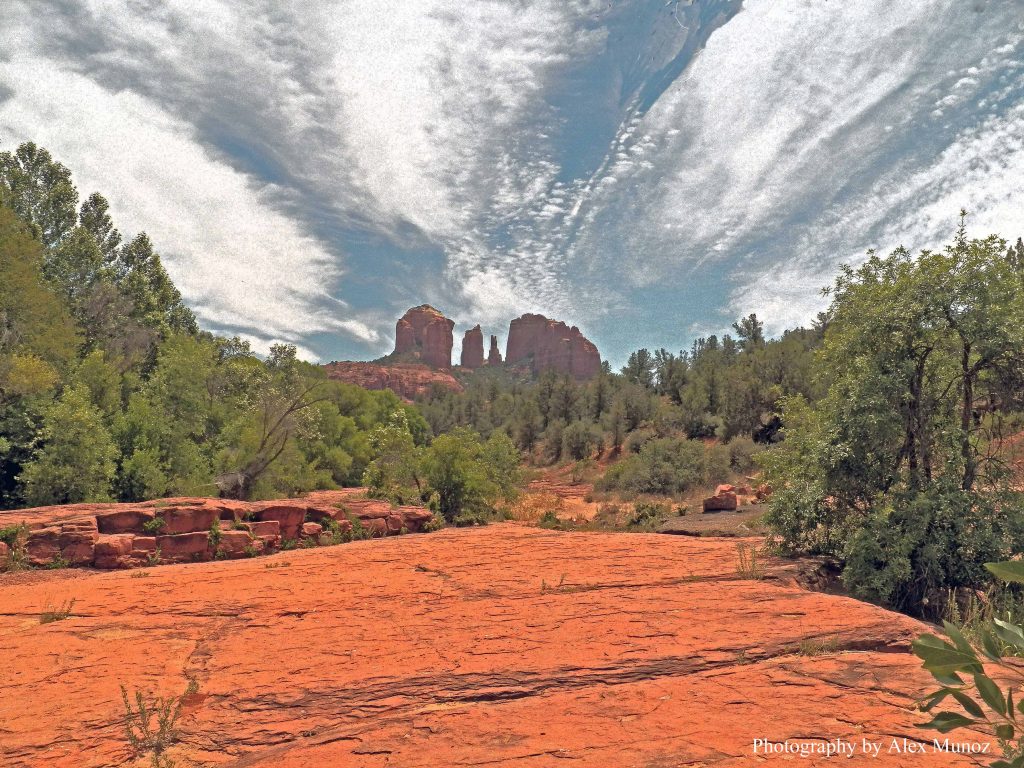
The cloud patterns in Northern Arizona are very unusual.
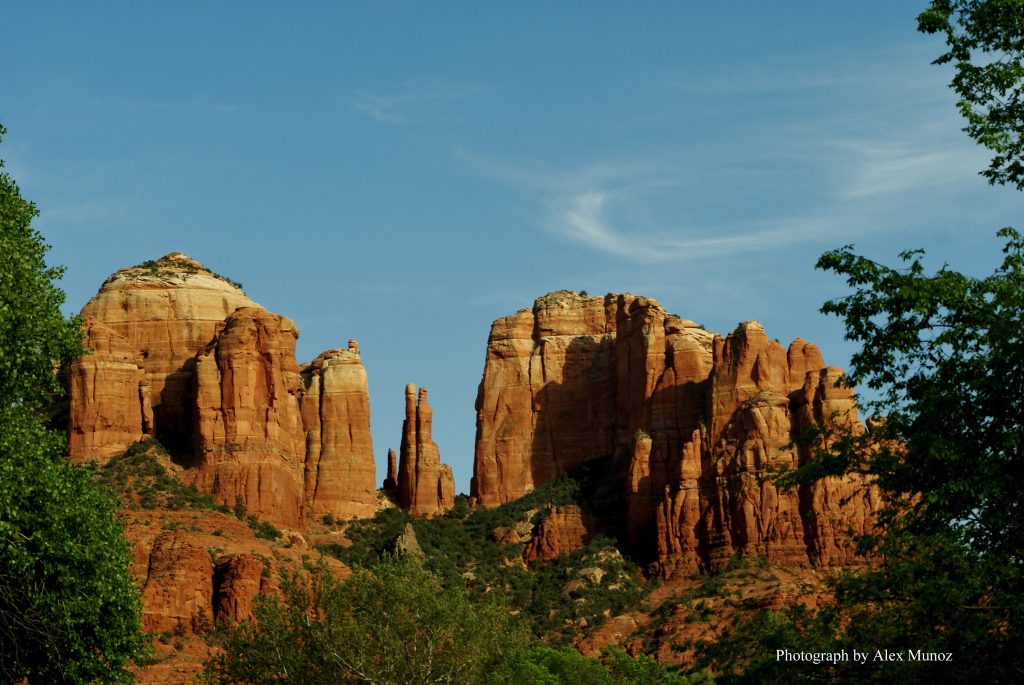
Cathedral Rock, Sedona, AZ
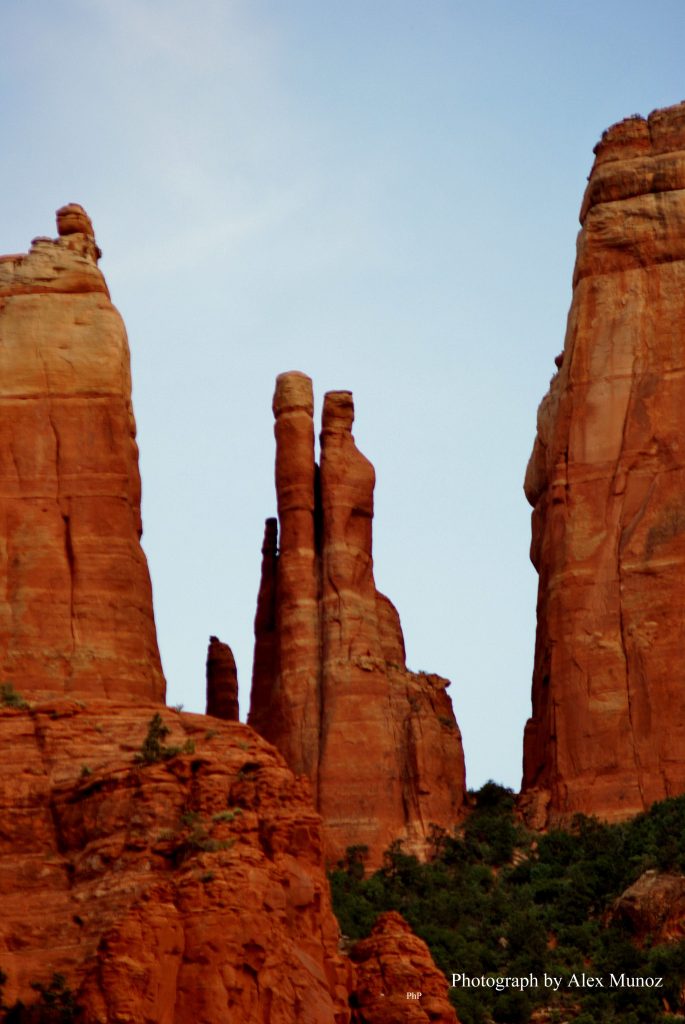
Cathedral Rock Spires
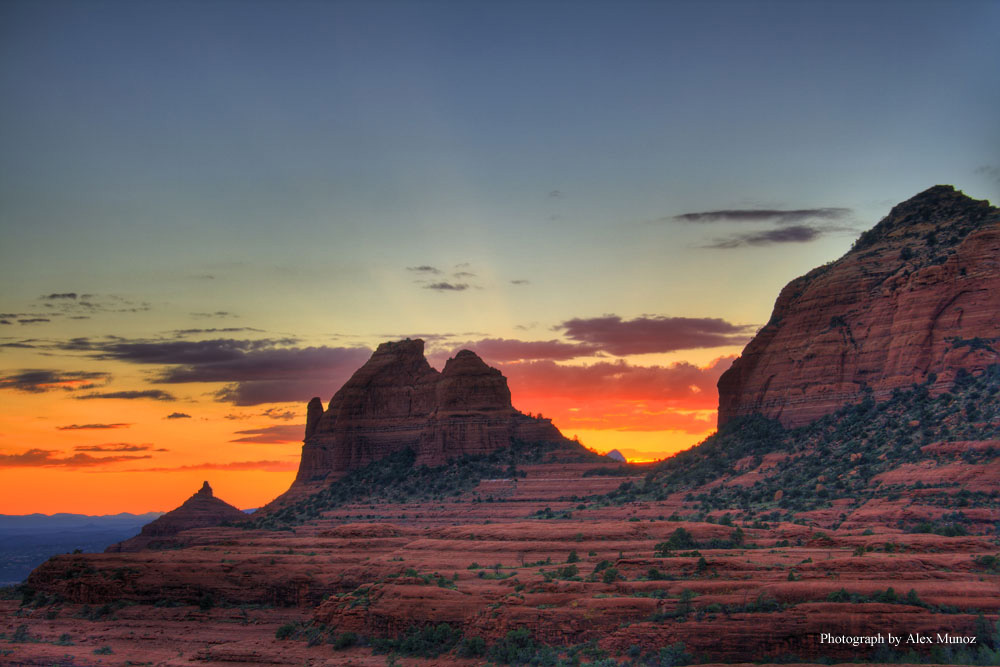
Sedona Sunset
I’m not a professional photographer, but I am a person practicing a profession that I enjoy very much.
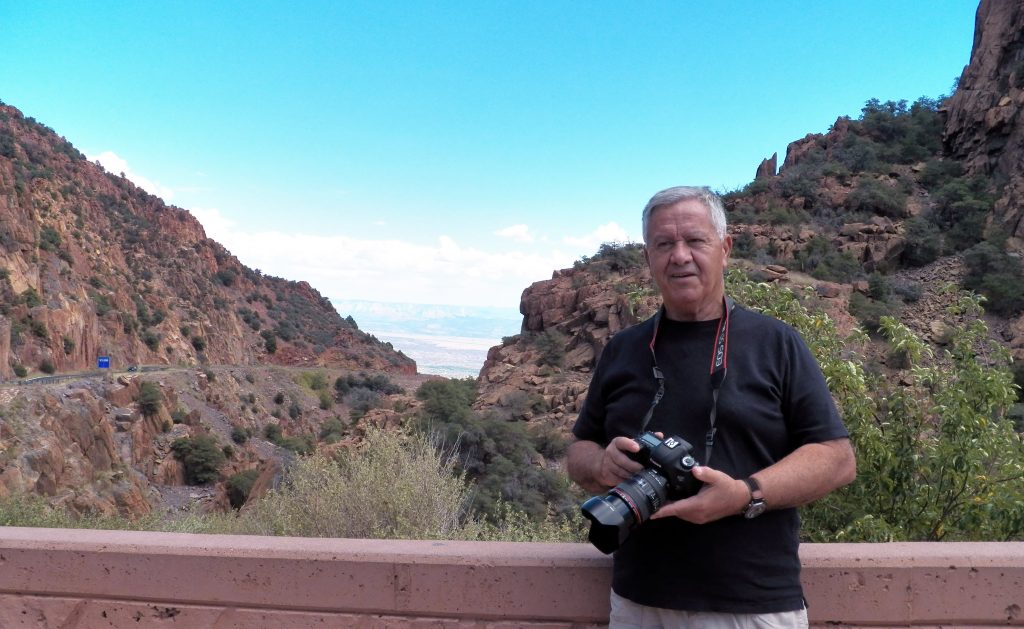
Alex Munoz
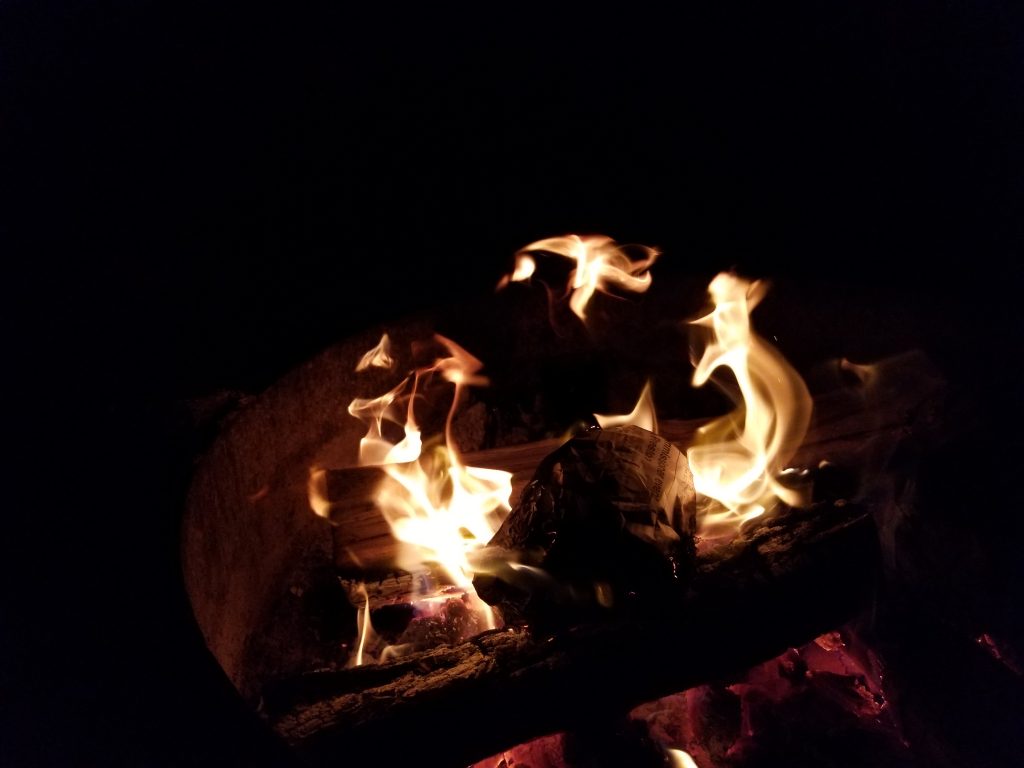
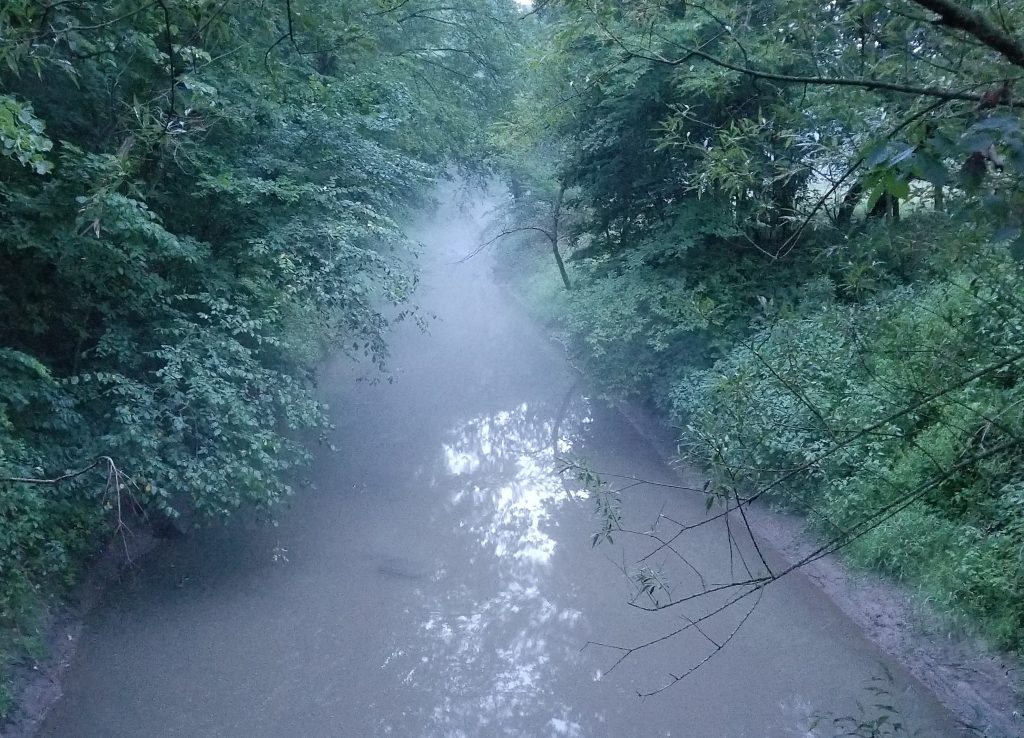
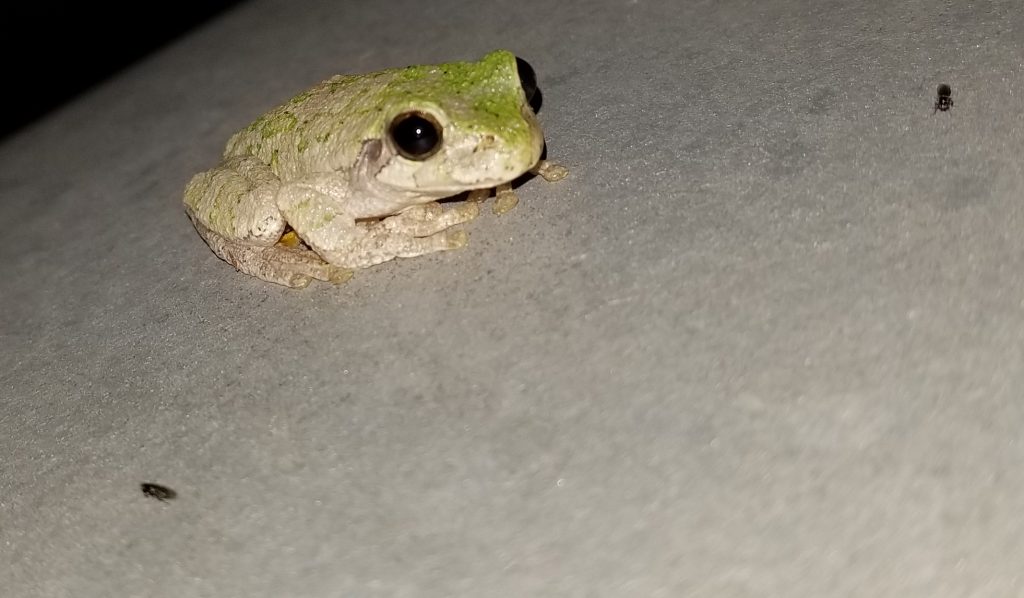 I found this green tree frog resting on a propane tank at Eagle Bluff. I bet it was eating the bugs on the tank. I thought it would jump away when I used the flash, but it stayed right there.
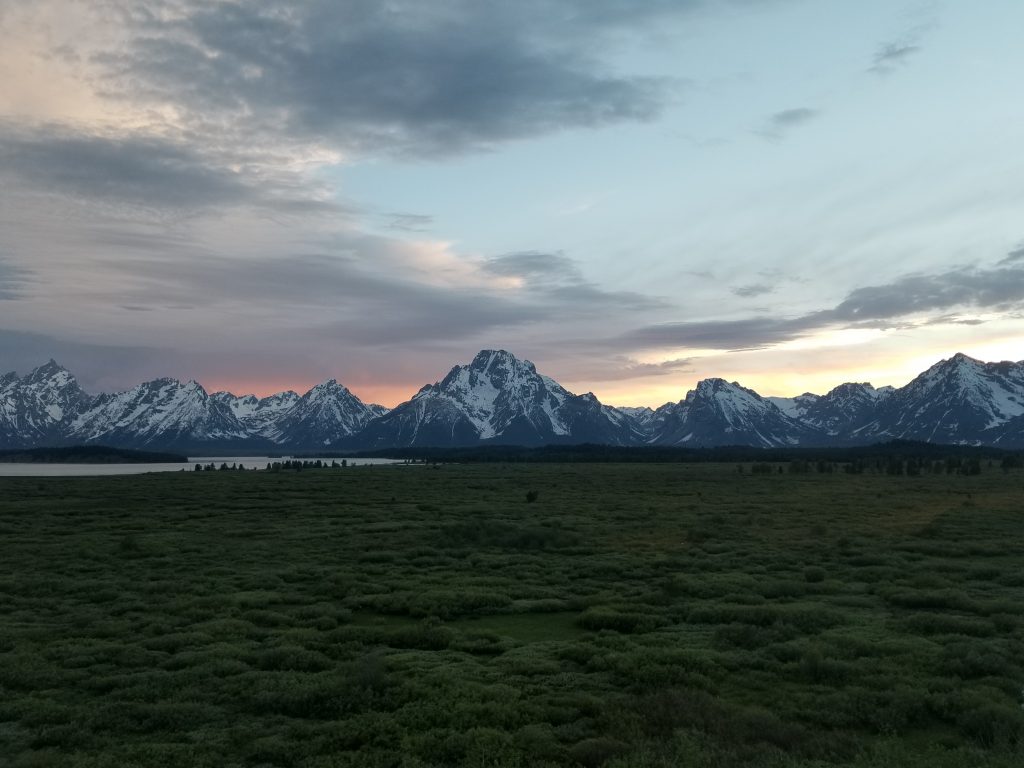 Nighttime sunset at the Grand Tetons, Jackson, Wyoming.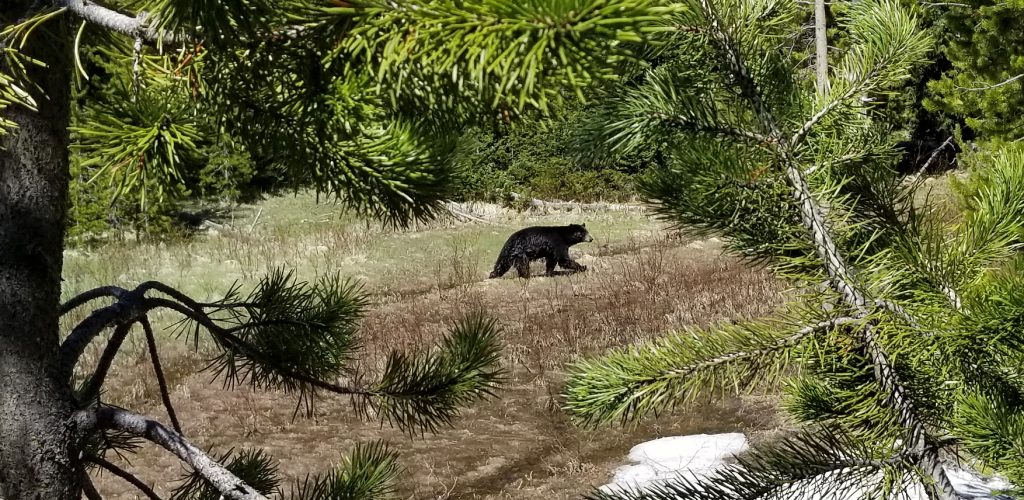

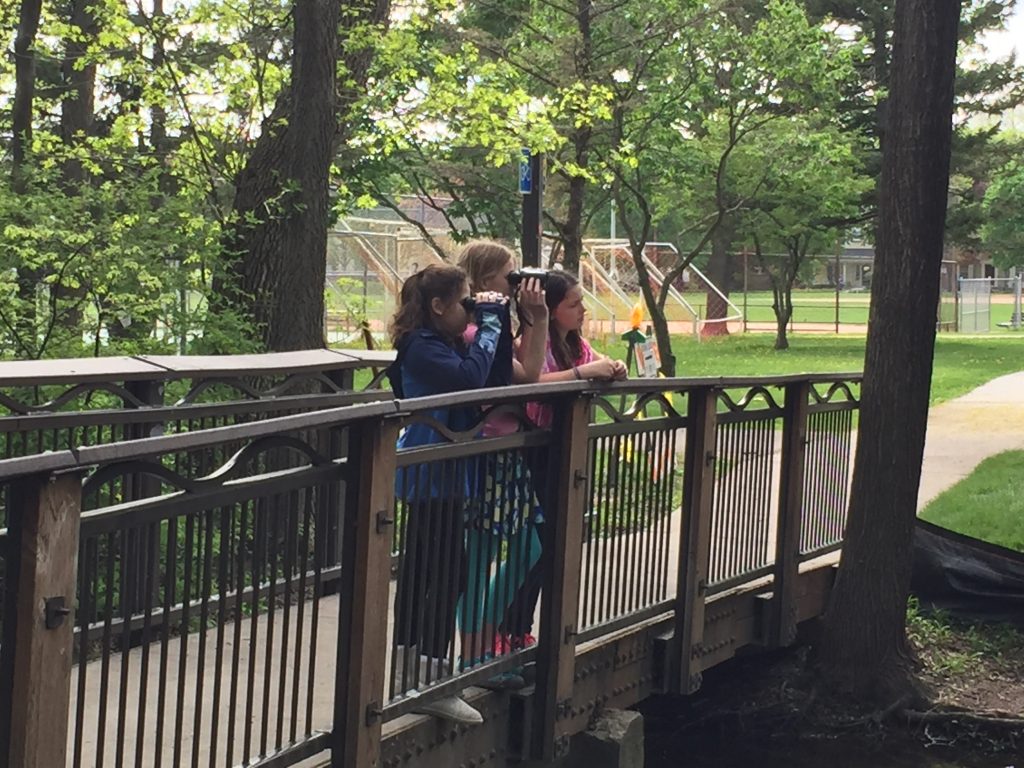
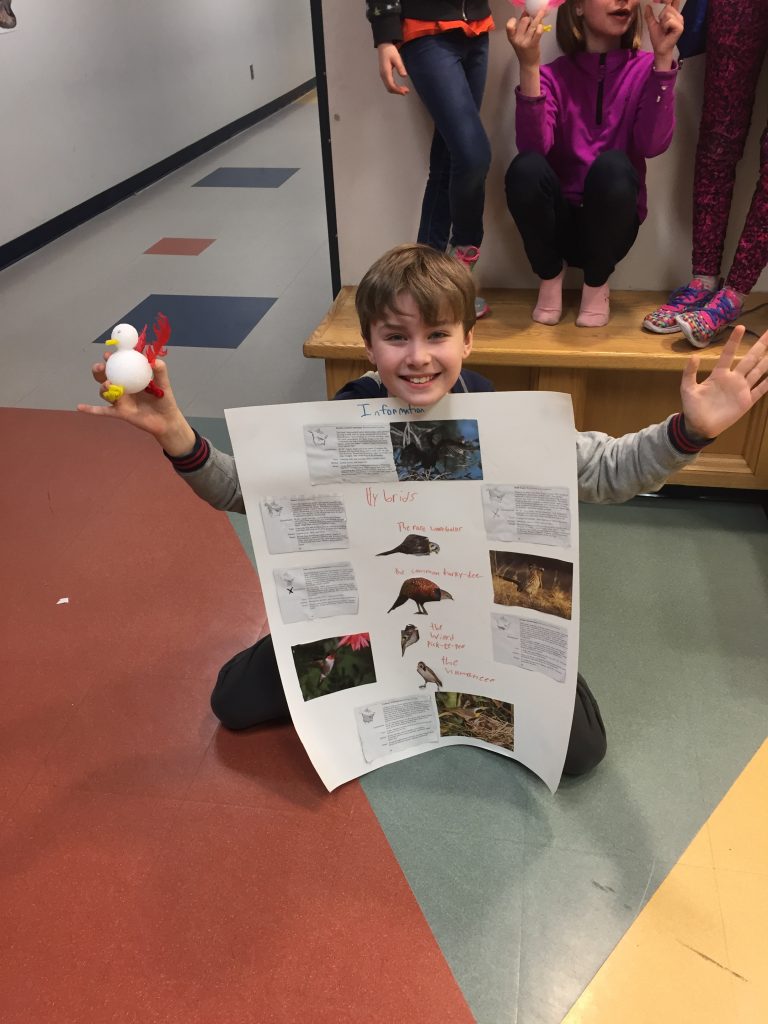
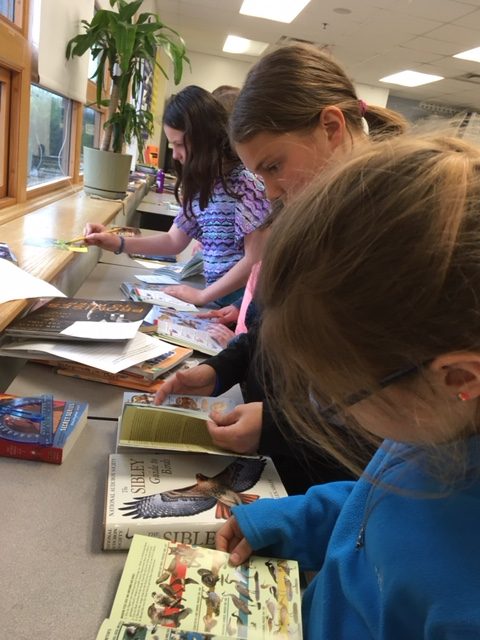
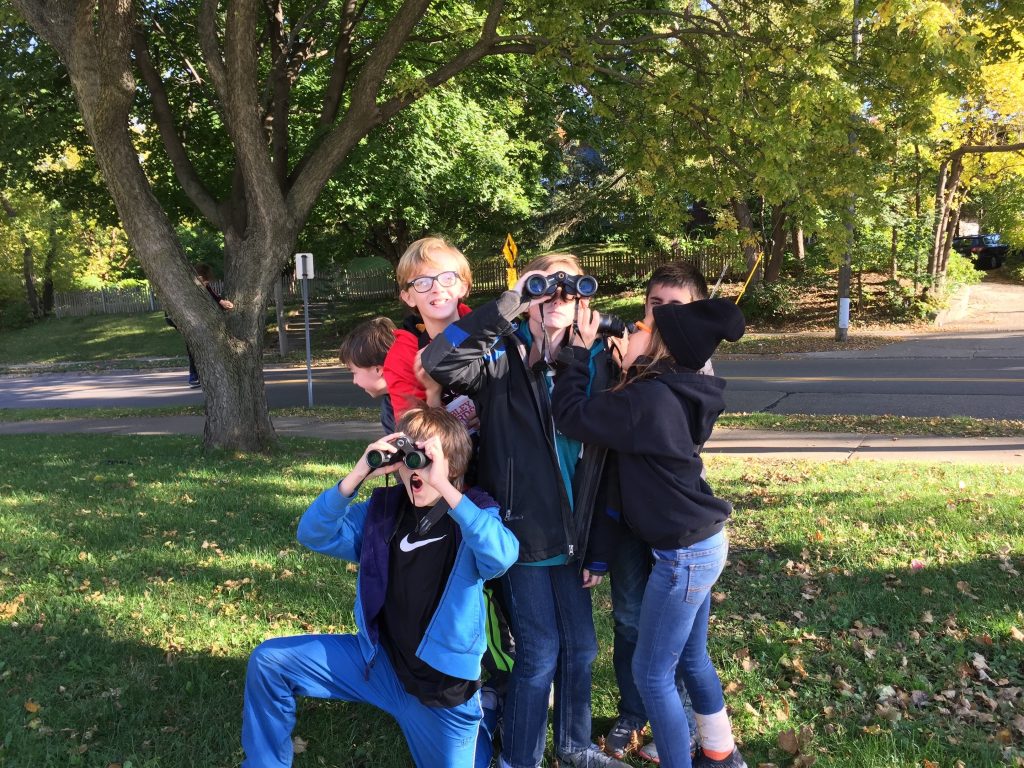 But when one birder spots a downy woodpecker, all the binoculars snap up. These birders run to see a Blue Jay teed up on a treetop, shouting, “Where is it? Where is it?” and “I see it! I see it!”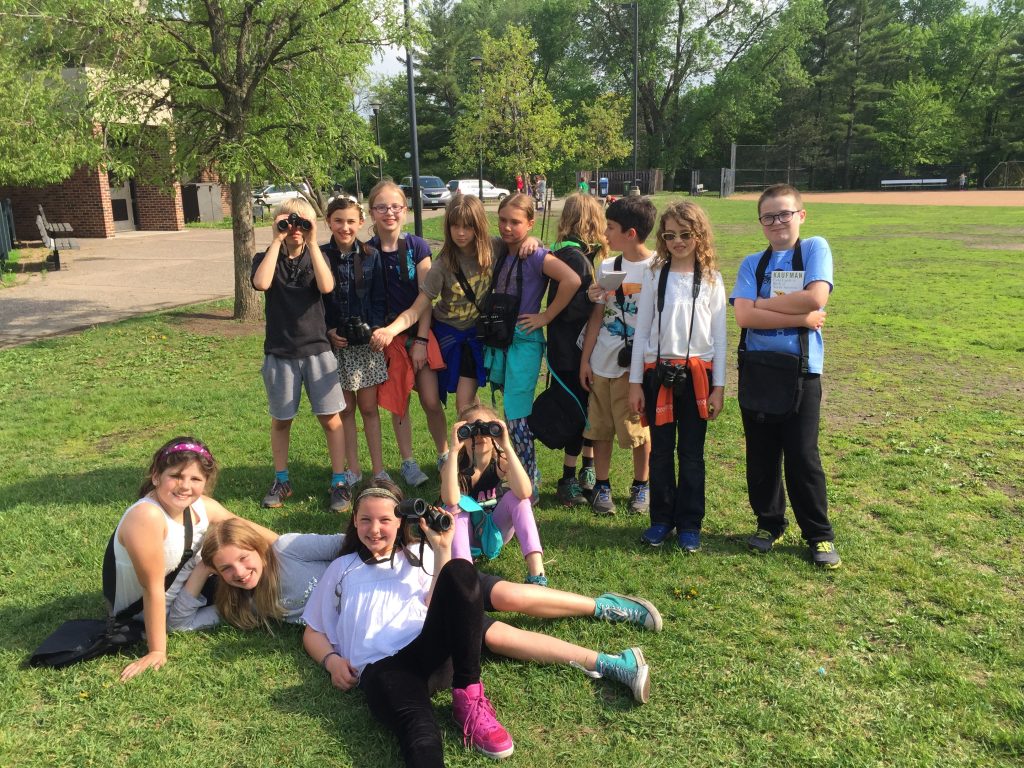
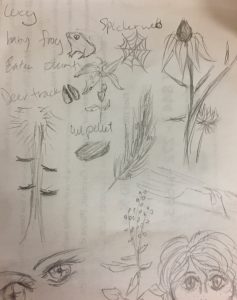
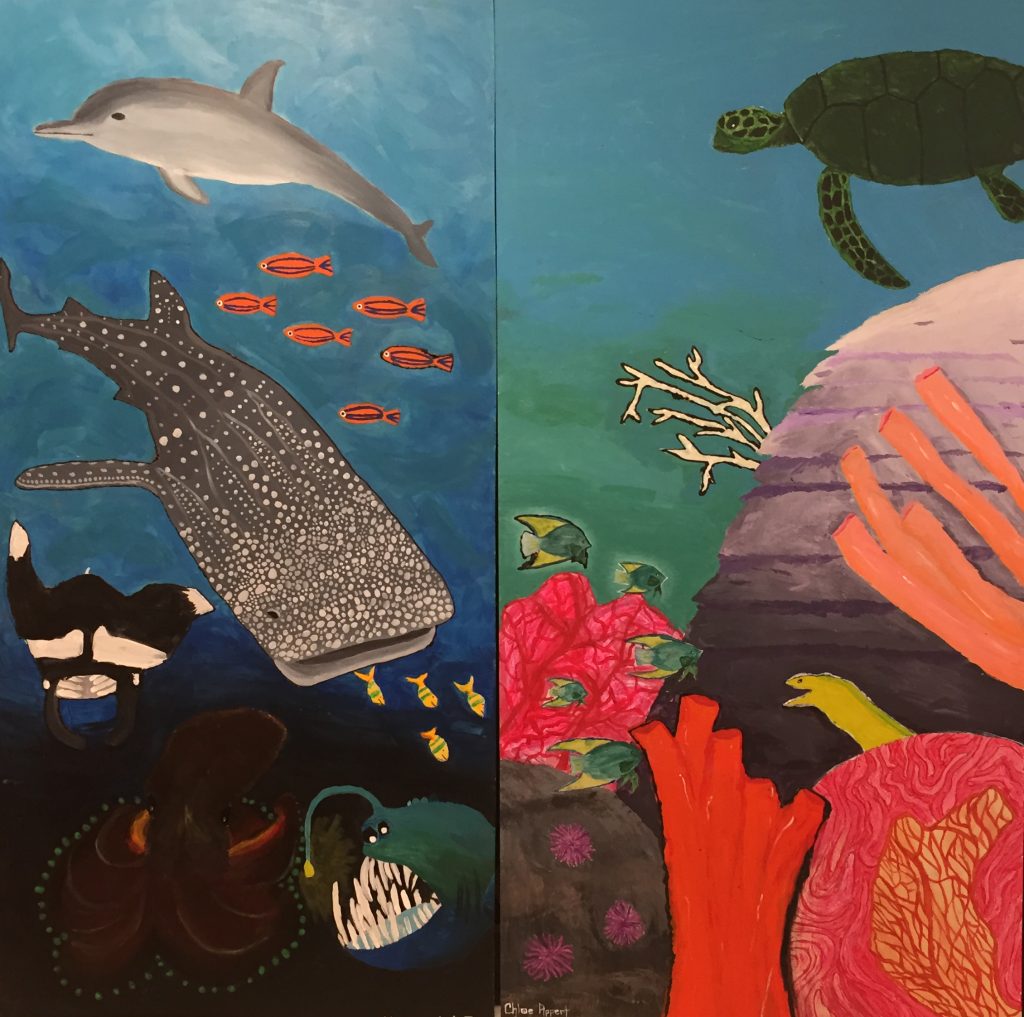
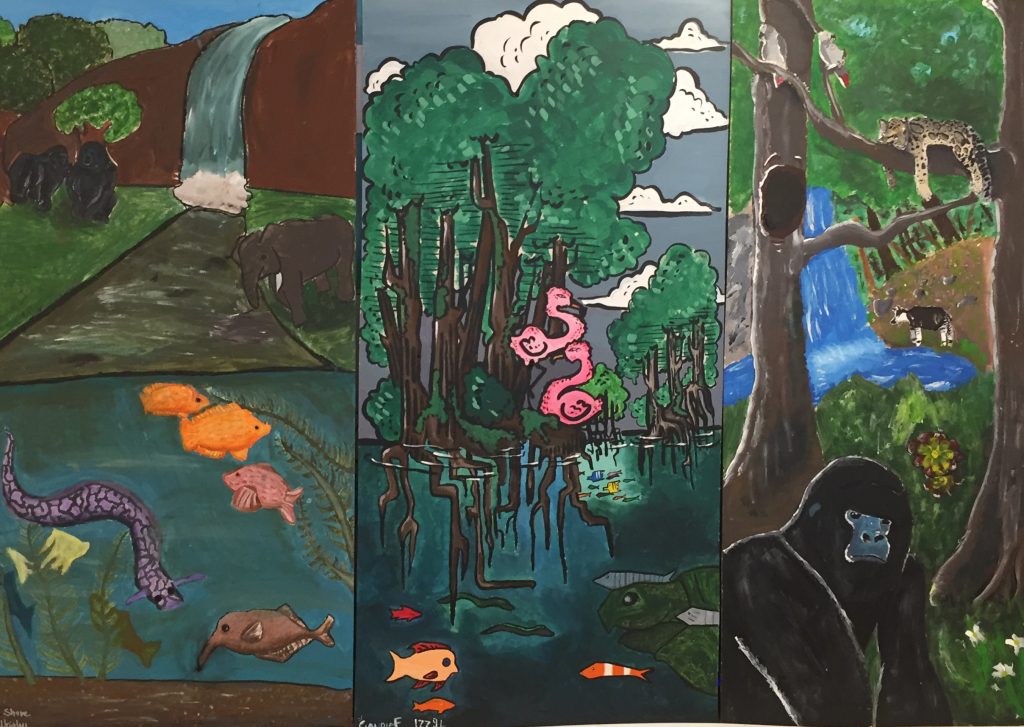 Leah Terry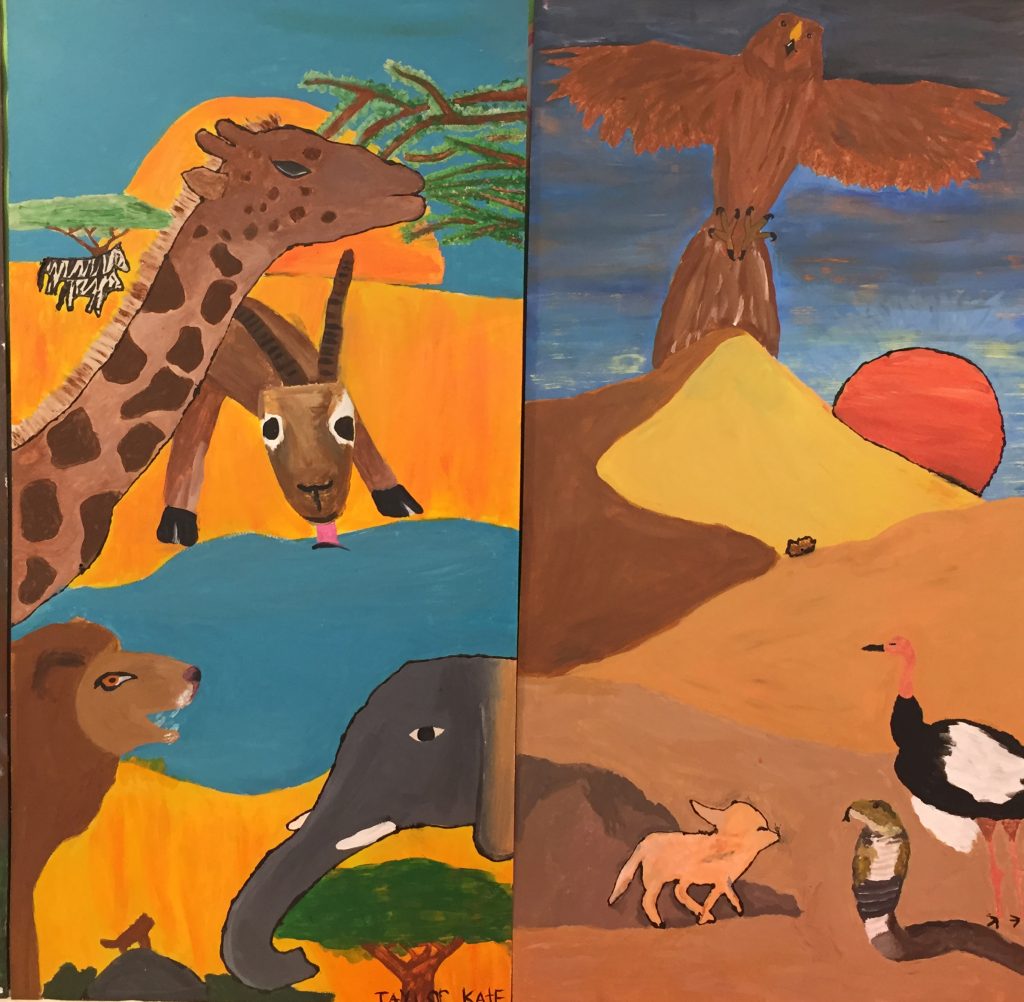
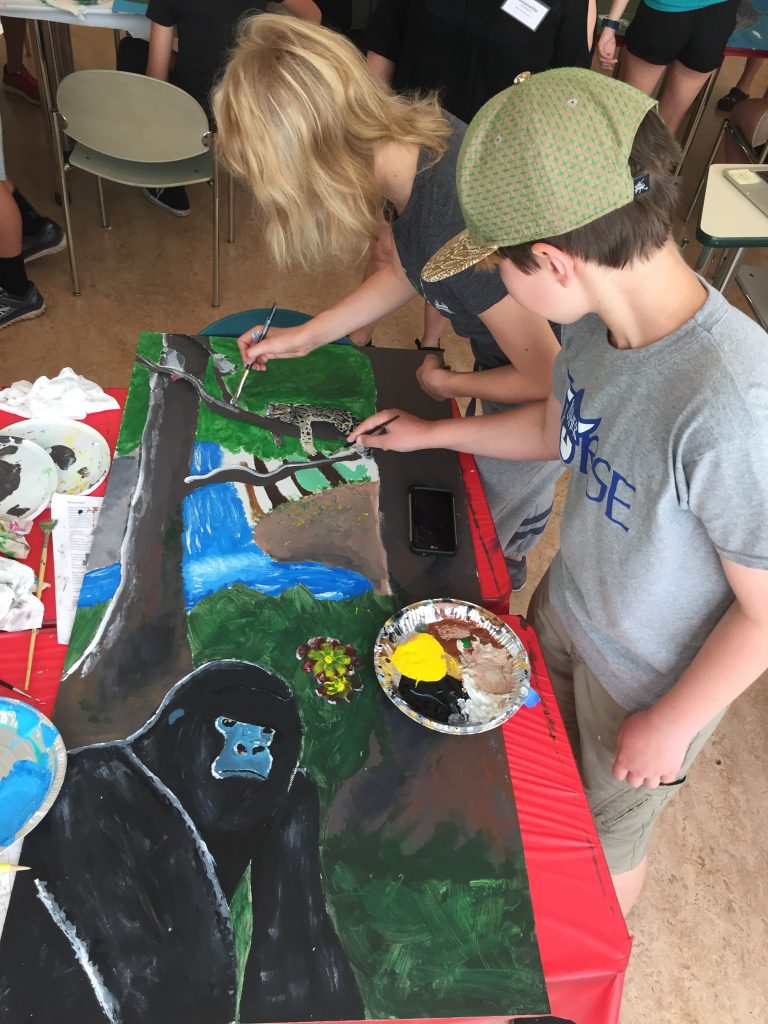
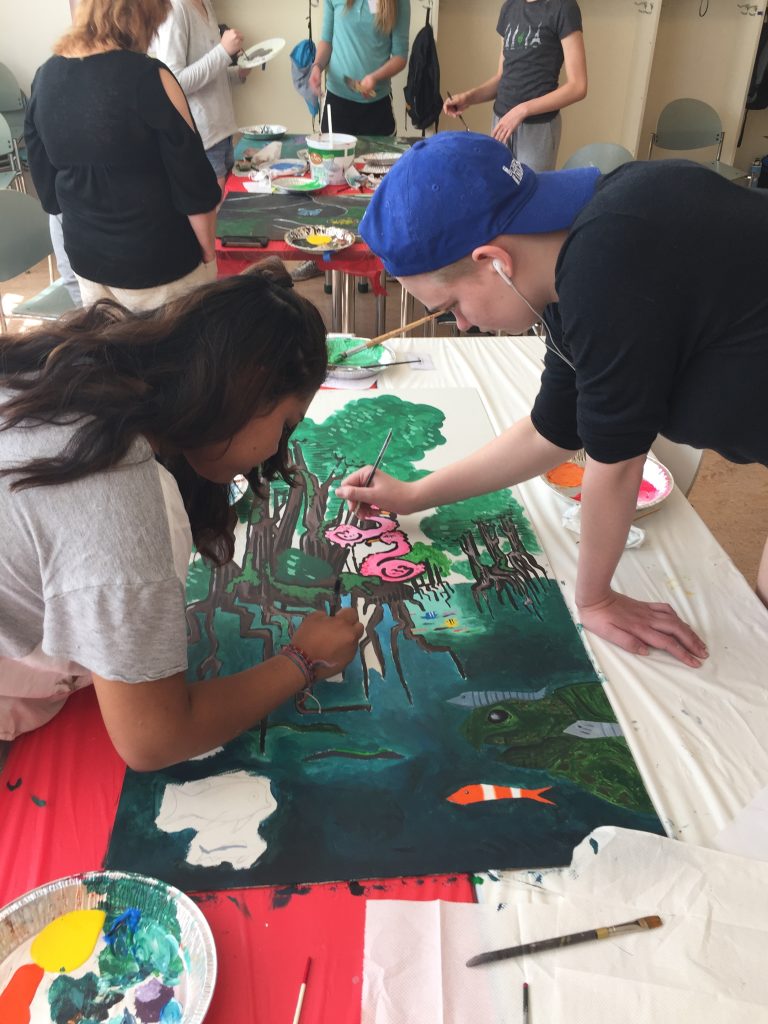
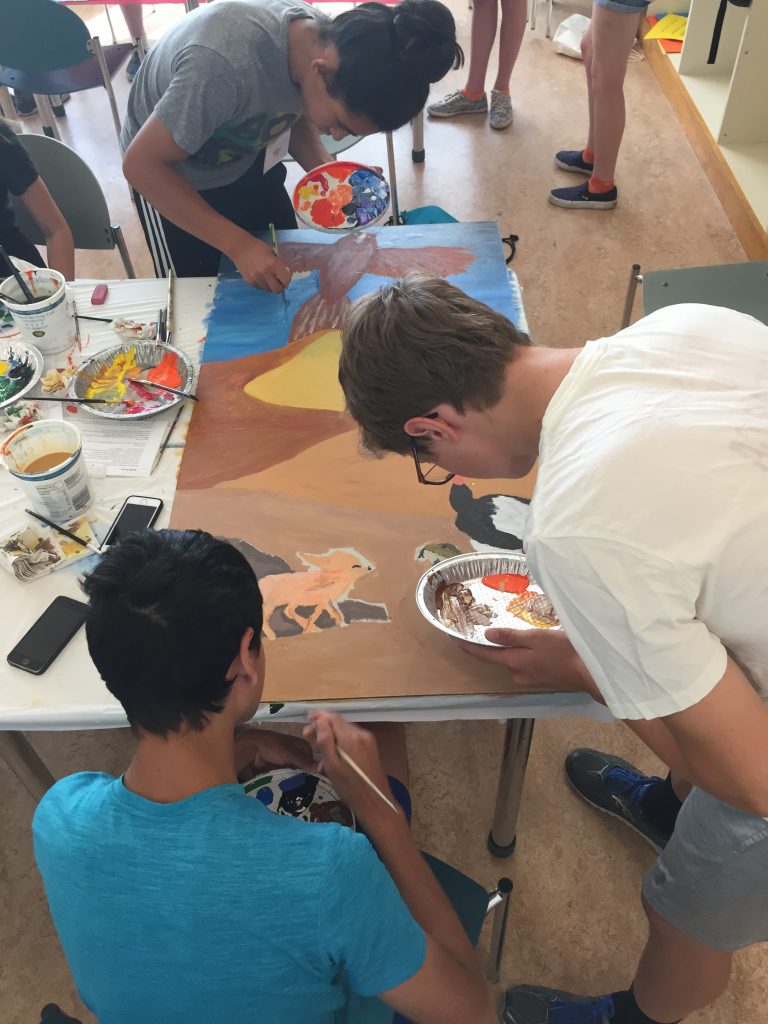
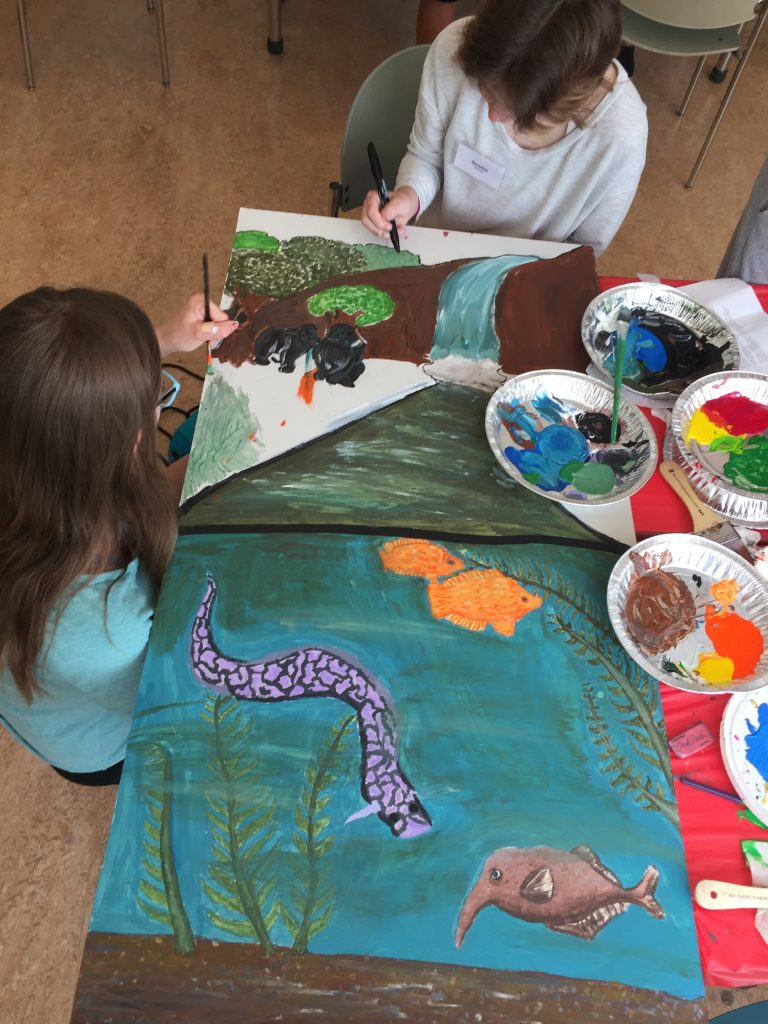
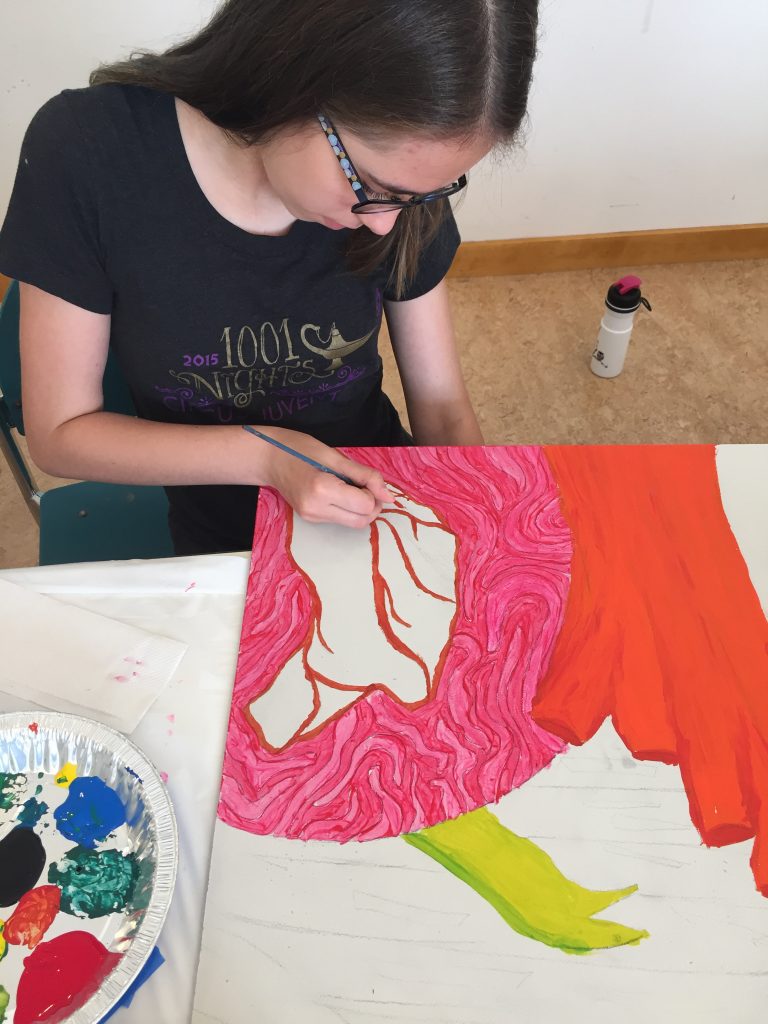
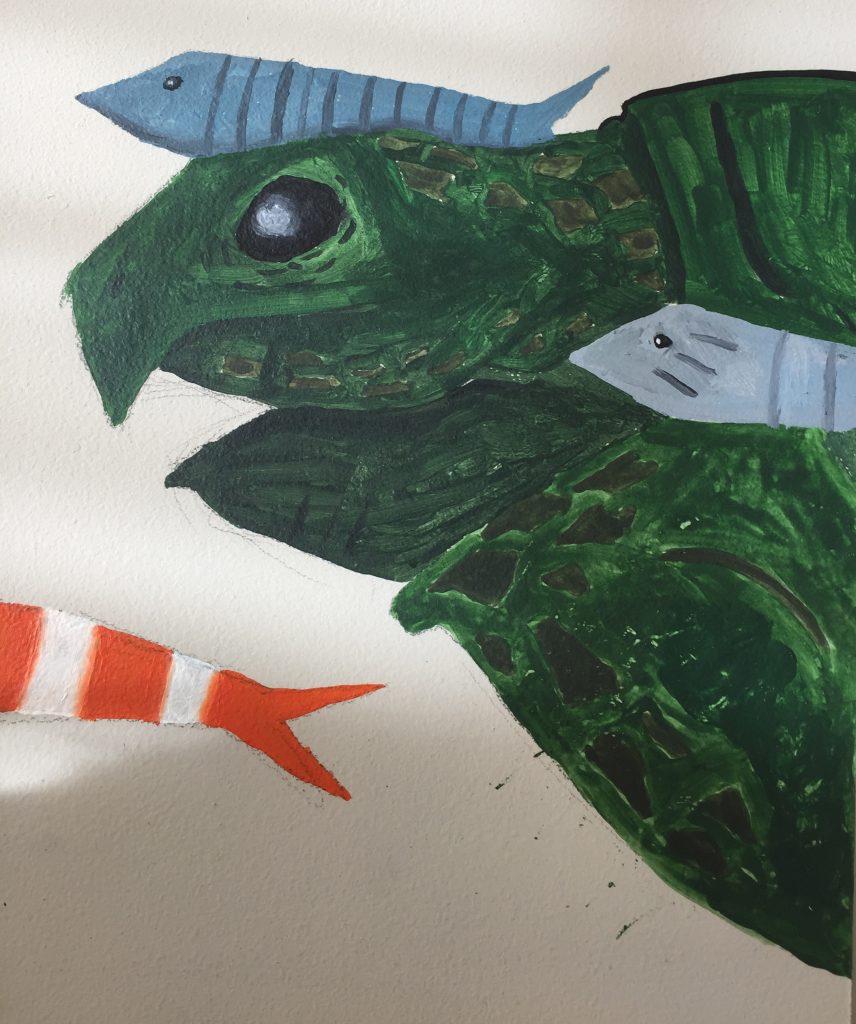
 Kate Lindeman – 13 years old In the class I learned a lot about all the animals and it helped me realize that I should be doing what I can to help. It was really fun to work together as a group; to make decisions and to paint together.