Discover Something Wonderful

Little Miracles – Holly Einess

Photo by Holly Einess

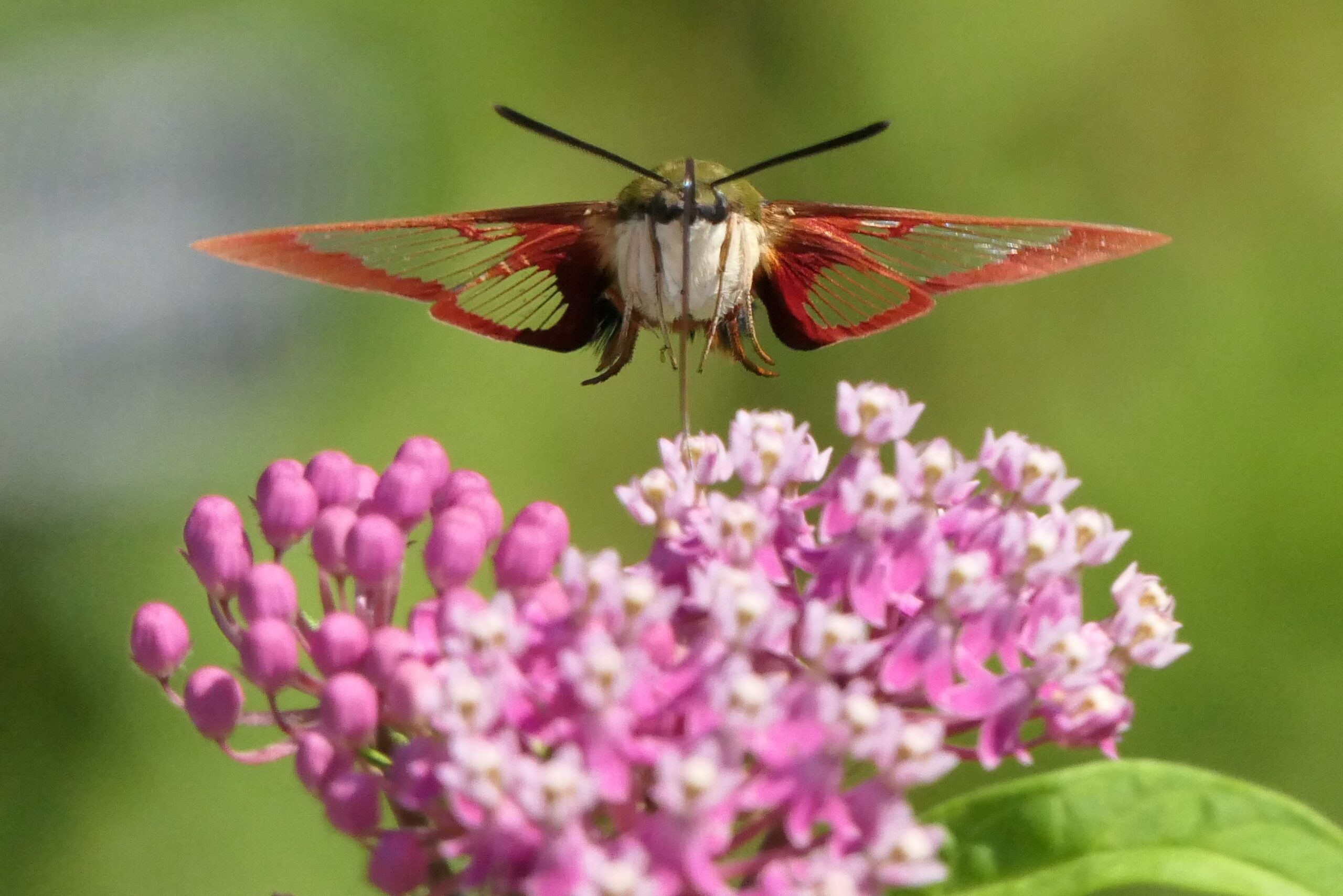
Sometimes I get to spend time with a creature that seems too cool to be real. While walking at the MN Landscape Arboretum last July I glimpsed a hovering something drinking nectar from swamp milkweed blooms. Was it a hummingbird? Some kind of large insect? When I tried to get a closer look it took off, and I was left feeling both disappointed and frustrated; I wanted to make the acquaintance of that mysterious, winged creature!

Lucky for me, later in my walk I spotted another, and this one was in no hurry to leave my company. Lots of photos and a little research later, I determined that my new friend was a hummingbird clearwing moth. How did such a marvelous bug come to be?! The see-through wings, the furry segmented body, the impressive antennae and improbably long proboscis? I’m just happy to know this little miracle exists, and hope to meet many more such wonders in future wanderings.
Holly Einess

photo by Holly Einess

A Blessed Goodbye – Becky Knickerbocker

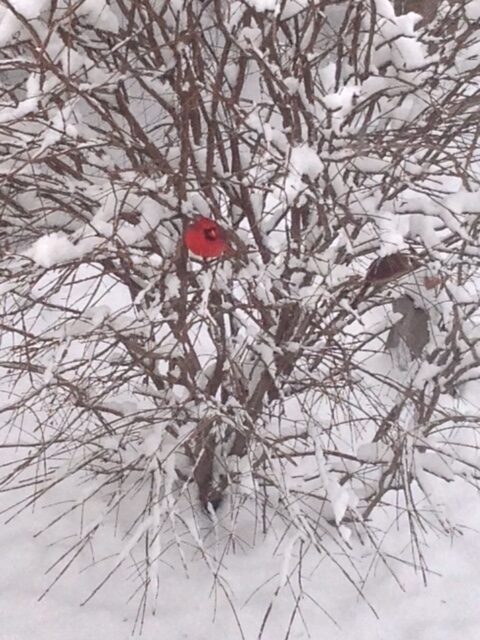
Last night a female cardinal left our bird feeder and flew into our patio door window. It fell to the snow and was barely moving. Remembering what you once taught my Kindergartners, I grabbed a bath towel, picked it up with the towel and brought it inside with me. I sat on the sofa, in front of the fireplace, with this precious one, wrapped up and on my chest. I stroked it’s small head with a finger and it’s eye opened and it looked at me. I whispered, “Don’t worry, I’ve got you.” I prayed that it would survive. It closed it’s eye and there was no more movement. What a blessing for me that I got to spend it’s last earthy moments with her!

It meant so much to me because I am a hospice volunteer and I’ve learned how important it is for people who are dying to not have to die alone. I wanted to do that for the beautiful cardinal.

Becky Knickerbocker


An Inspirational Partnership – Ken Brown

Photo by Ken Brown

I didn’t know that male and female Robins are so maternal! These two have nested on a floodlight next to my home-office window for the last three years. Both apparently forage for nesting material and food, but while his partner is building the nest, he constantly brings her nesting material and earthworms or grubs. When laying starts the mother rarely leaves the nest and the father doubles his food-gathering efforts. After the bright-blue eggs hatch, both parents look after the nestlings. However, after they feather, the male increases time spent tending them, I expect so the female can re-build her strength for the next laying – at least two times over a Minnesota summer. What an inspirational partnership.
Ken Brown


Hidden Gems – Angie Adamek

Hidden Gems
Angie Adamek


Moments are fleeting, and there are no exceptions to that in the natural world. ‘Bud break’ is a special time to glimpse the awakening of life in the plant world, but we have to take the time to stop and allow it to be discovered. Take a moment in time to pause and really look around you, and your spirit may be lifted.
Angie Adamek


A Forest Blessing – Lawrence Wade

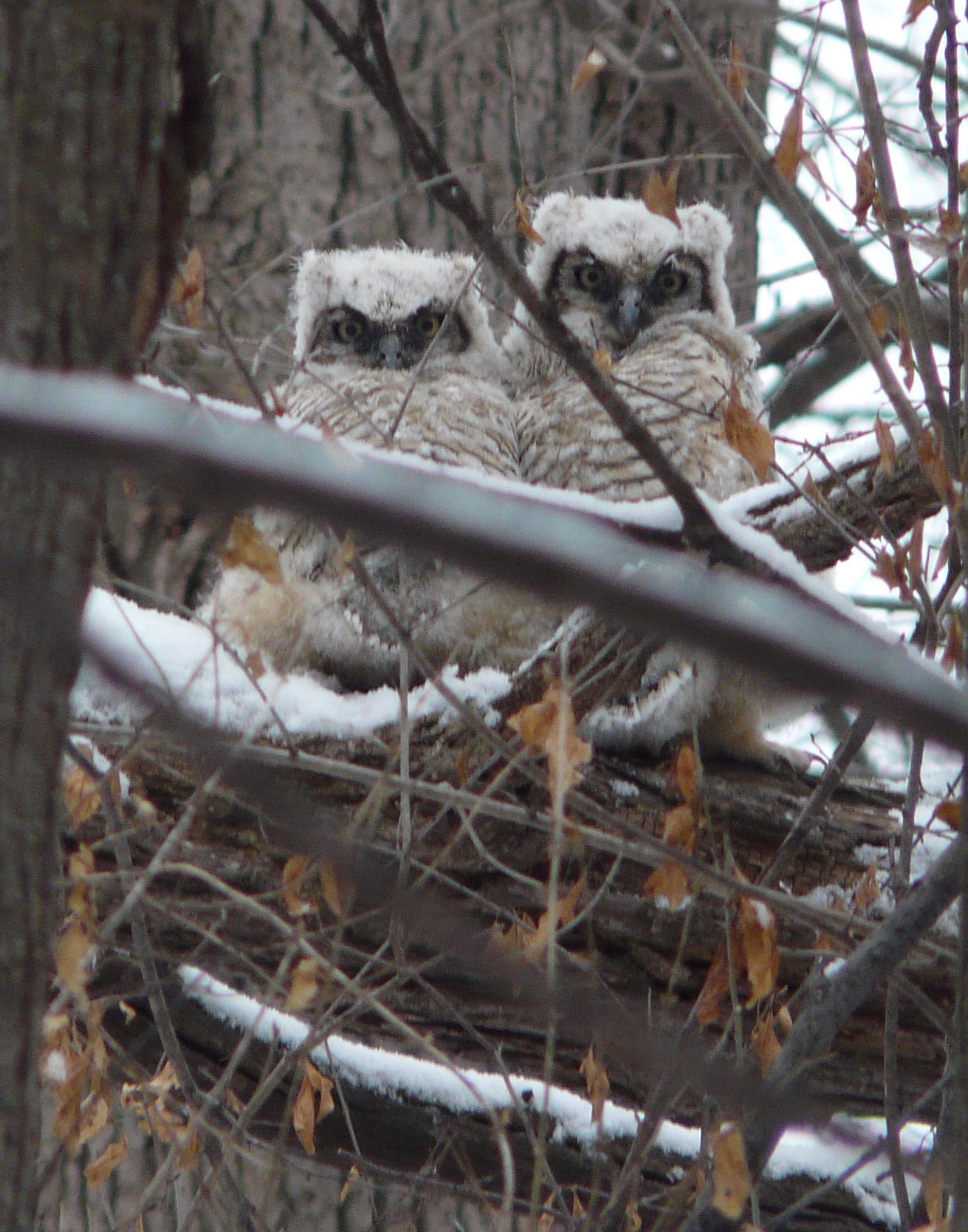
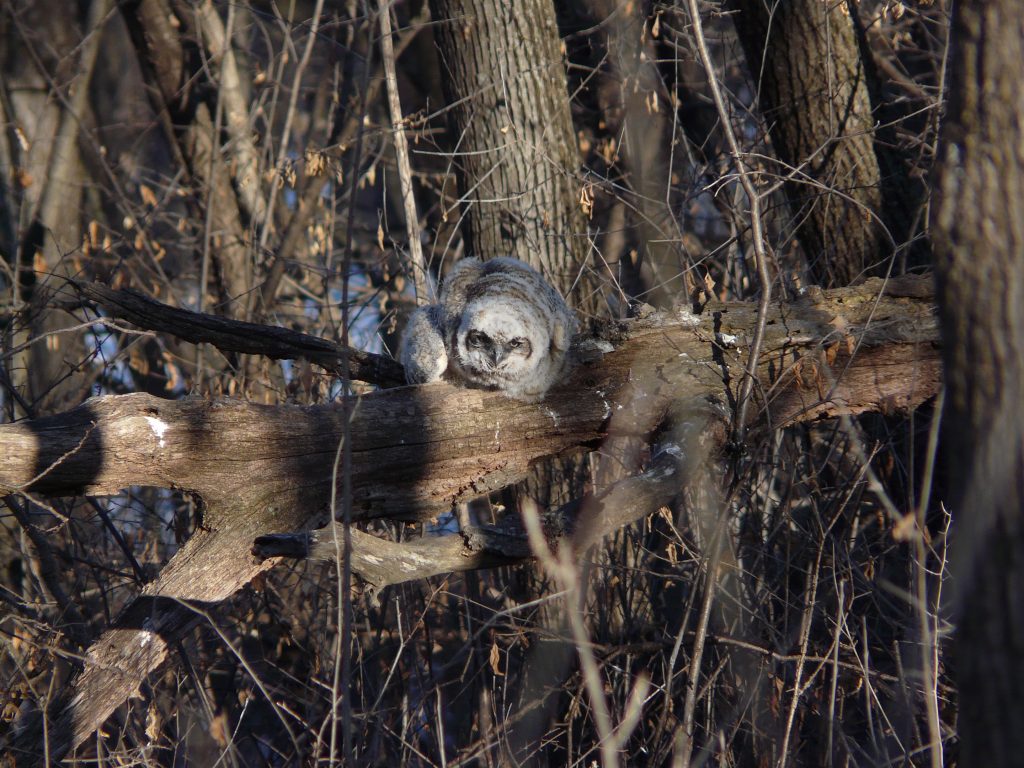
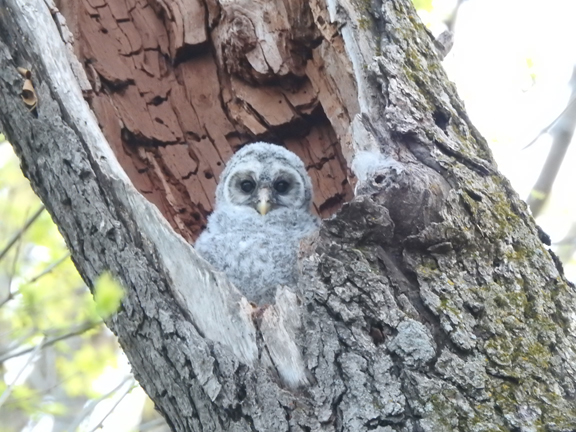
Barred Owlet
Photo by Lawrence Wade

Hello little one
Stay safe in your cozy tree hollow
May you be taught well by your elders
And take your place as the tiger of the woods
You are a blessing to behold.

                       Lawrence Wade


Discovering Something Wonderful  – Jim Ikhaml

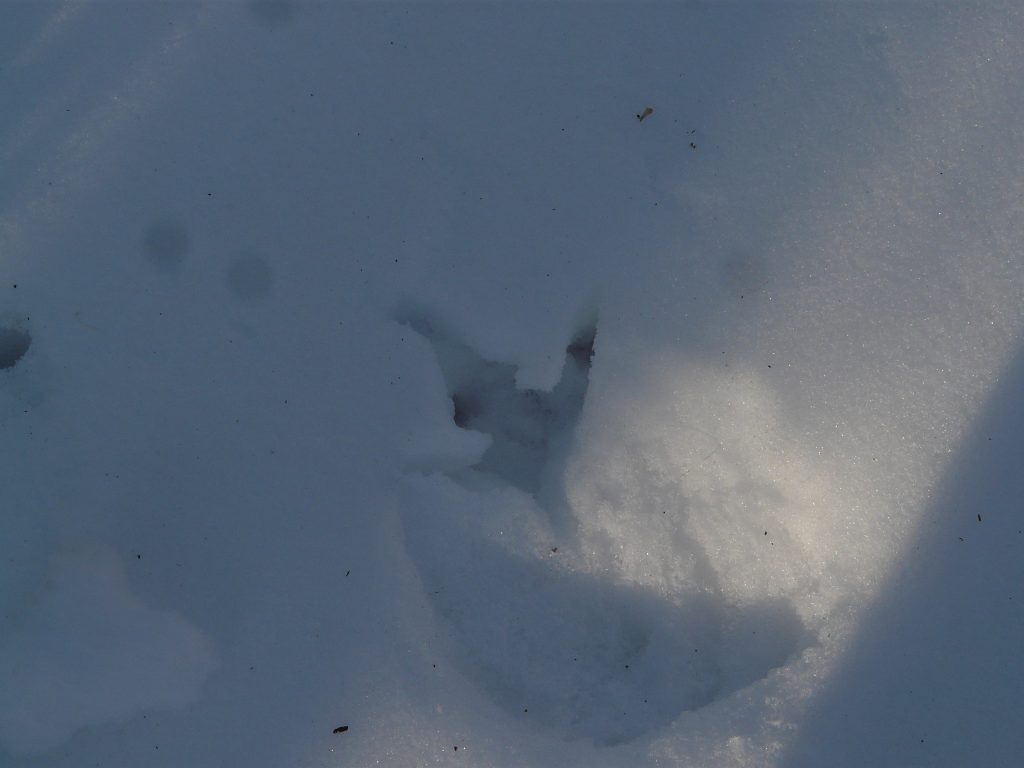
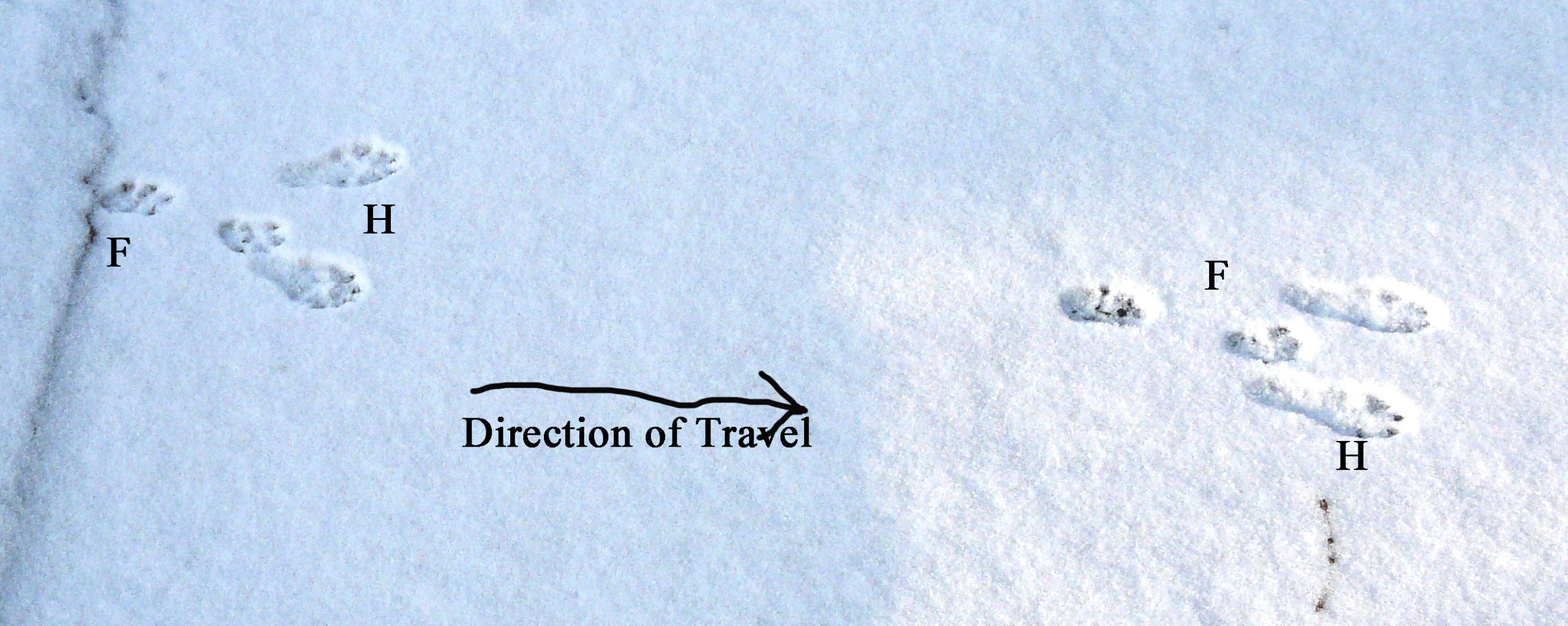
Rabbit Bounding Track
Photo by Lawrence Wade

I have been teaching kindergarten and 1st grade students from Gatewood Elementary about animal tracks. Together we can not help but get excited at every little mark we see in the snow. The best part is when these tiny people learn a few tracks and passionately pass their skill onto everyone who will listen. They don’t care that Mom or Dad had a long day. It never occurs to them that the grown-ups already know what a rabbit track looks like. All they know is that they discovered something wonderful and they need to share it with the rest of the world. Get out there and pass a little something on to the next generation, the future keepers of the wild things. You won’t regret the time spent.

Jim Ikhaml – Gatewood School Naturalist


A Ducky Summer – Val McGruder

Photo by Val McGruder

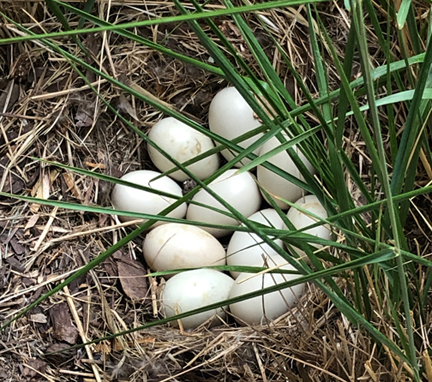
One morning as I walked out to get our paper, a movement startled me along the front of our house. It was a female duck and she flew off.   Within a week we had spotted her a couple more times. I realized that she had found a spot right behind one of the tall Karl Forester grasses. The date was June 10th.   Each day I spotted an egg but then she would leave and I thought she might not come back. She did return. On June 18th, I made sure not to scare her but I did get close enough to see that she had 10 eggs in the nest.   I wanted to know what to expect and found a web site that discussed the life cycle of a mallard. https://www.allaboutbirds.org/guide/Mallard/lifehistory

One of the things I learned was that after all the eggs are laid, the mother duck sits on the eggs continuously. The gestation period is approximately 28 days. I wanted to help her be successful in this most important job. Since she would sit on the nest all day I put out a shallow container of water and another of cracked corn.   Each day I would replenish the water and add corn as needed. She seemed to know I was not going to harm her. I also talked to her softly and gave her daily encouragement. I kept track of the days on the calendar so I would know when the eggs would hatch. The weather turned extremely hot in mid June and one day I noticed it looked like she was panting. The website mentioned that extreme heat is dangerous to the eggs and the mother duck.  The location she had chosen was in direct sun so I decided that I would set up some sort of shield to give her some relief. After trying various things, I set up a portable table over the top, a cardboard cutting board in front and some large beach towels draped over the top. I also plugged in a small fan, which allowed her to have some circulating air. Needless to say, this was not attractive and caused some neighbors to comment.   When they heard about the mama duck and her little family, they were very supportive and would inquire about her well being. I noticed that she would leave every evening between 5-7 p.m.

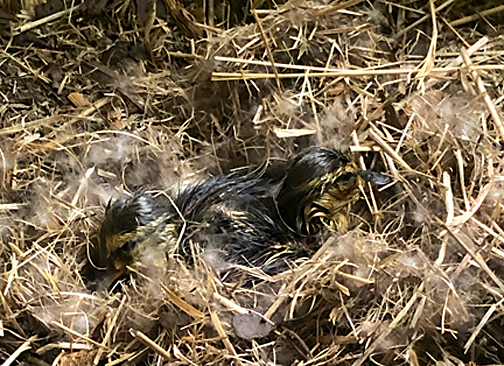
Duckling hatches
Photo by Val McGruder

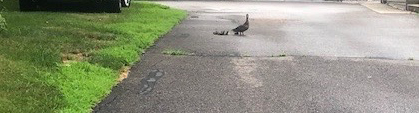
Around 5:30 on July 8th I went out to replenish water and food. Mama was gone but as I got near, I noticed that something was moving in the nest. I realized it was 2 baby ducks and they had hatched out!   I was so excited!   The next morning I had an eye Dr. appointment at 7:30 a.m. As I sat in the waiting room my husband sent me a text with a picture of mama duck and her 10 little babies heading for the small lake a block away. He said the smallest chick had a difficult time keeping up with all the others and mama was loudly quacking to keep them all in line. I was so disappointed that I missed her departure but I was happy to know that they all hatched.   The next morning as I joined my neighborhood friends for our daily walk, we passed by the small nearby lake. We stopped and scanned the water. Towards the middle amongst the lily pads we saw a group of 10 tiny ducks with a mama duck.   I don’t know if I helped her that summer… but she sure helped me.   There is a quote I found that speaks to me:

When I finally got my ducks in a row, I realized that they aren’t even my ducks!”

Mama Duck and family
Photo by Val McGruder


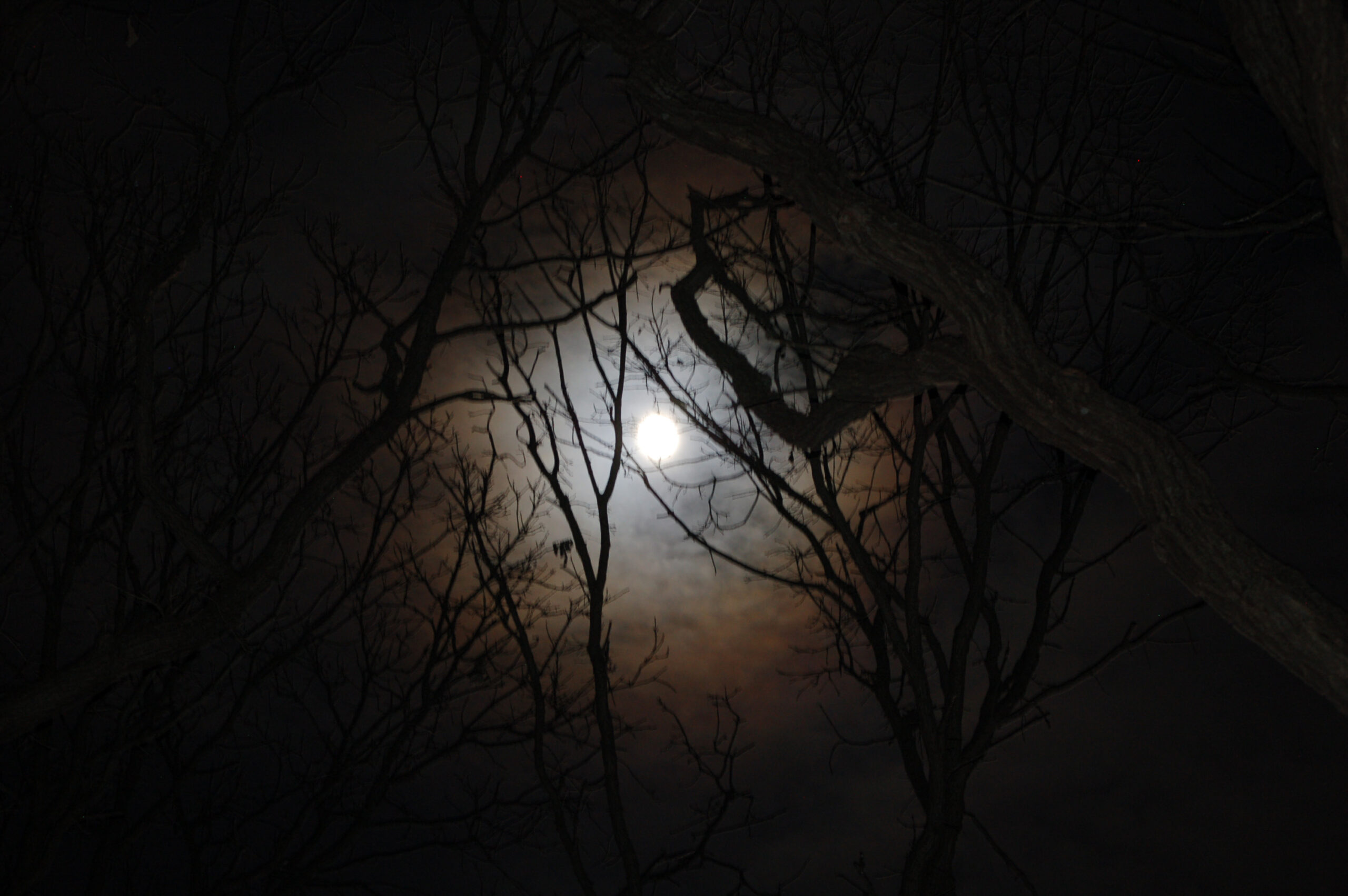
Moon Ring – Cheryl Smith

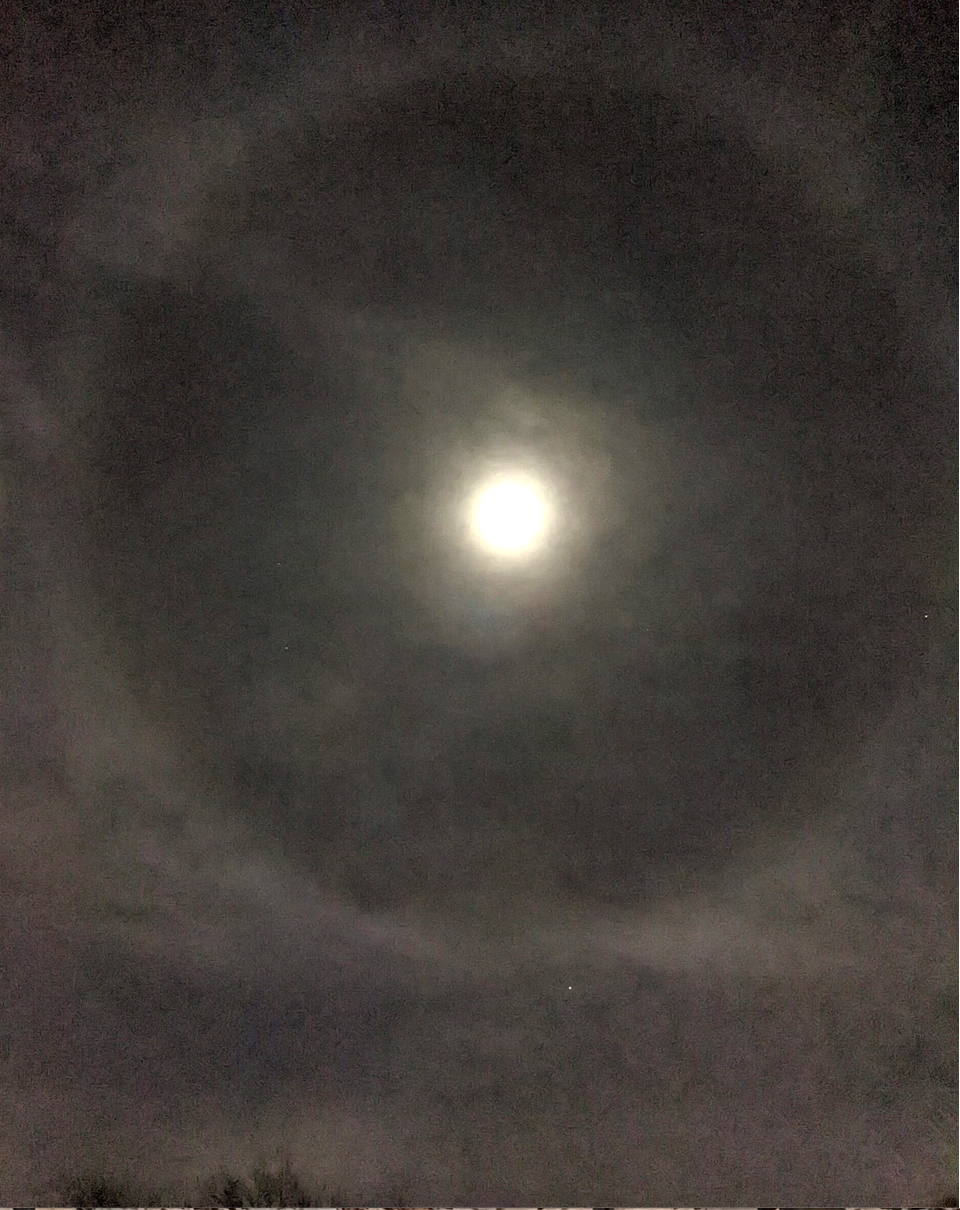
Moon Ring
Photo by Cheryl Smith

Ice Crystals Dark Sky
December moon ring bodes of
Looming winter storm

                       Cheryl Smith


Doing for others  –  Dewey Hassig

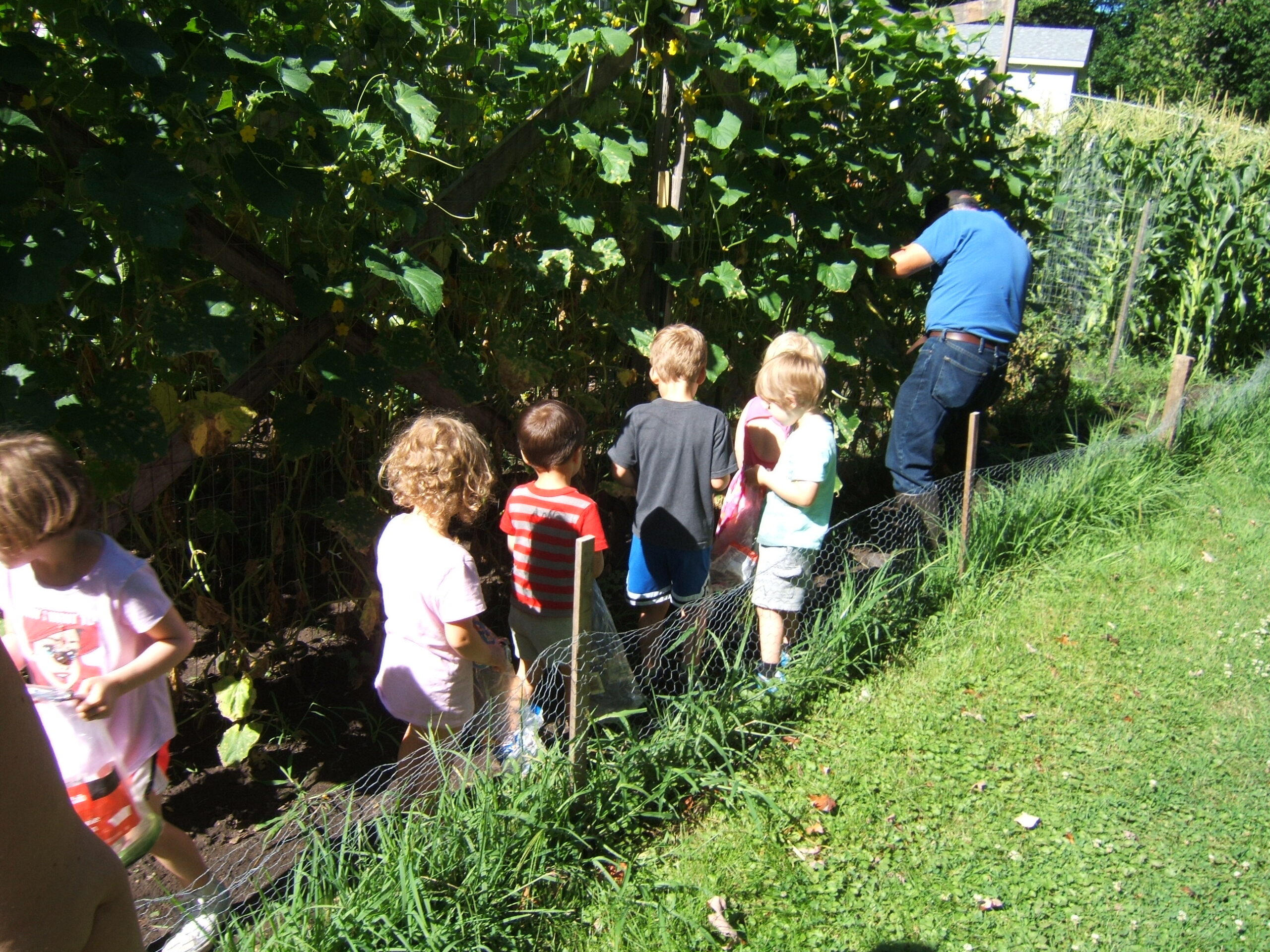
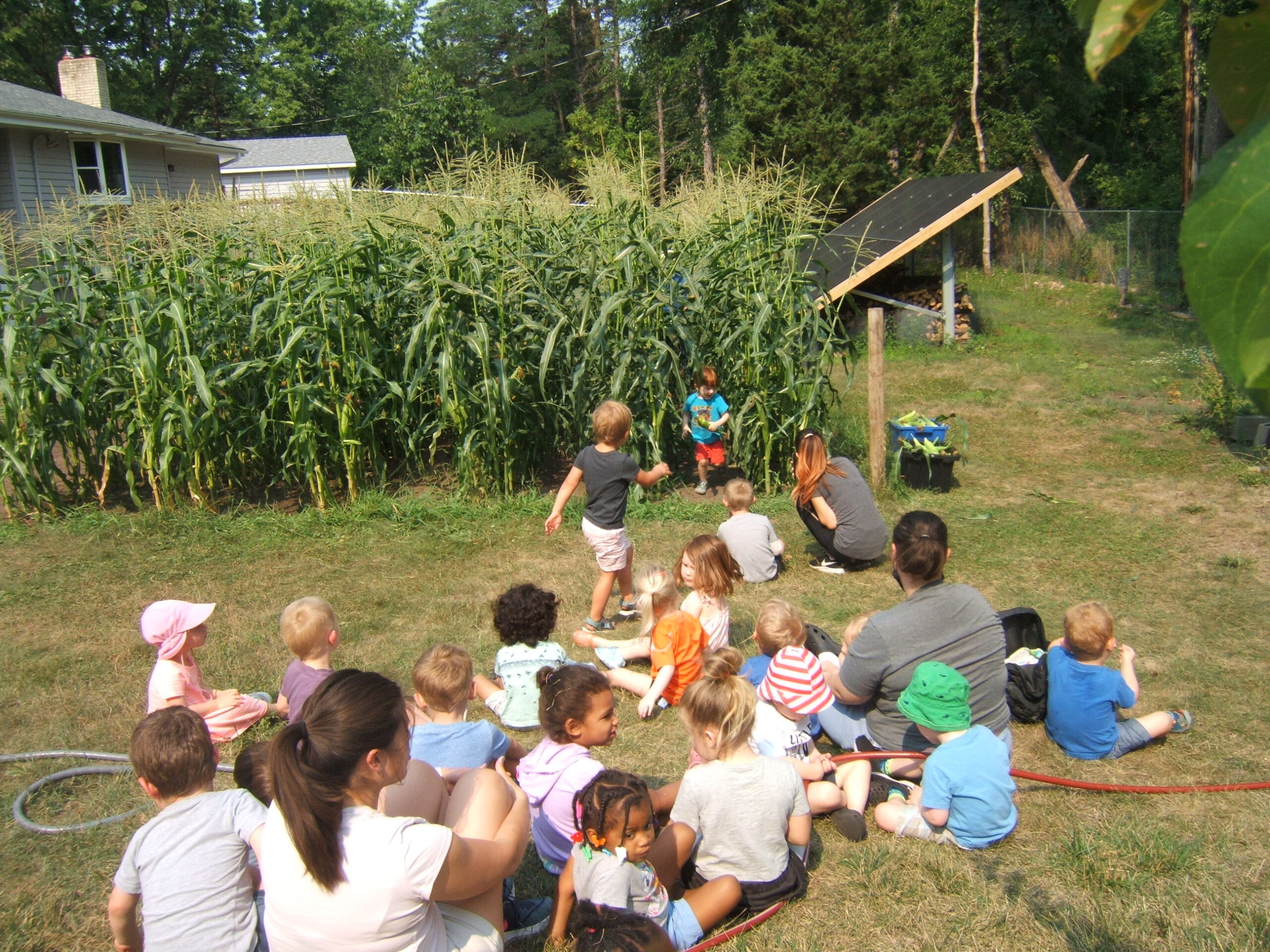
“What you do for yourself dies with you; what you do for others lives forever”. Sharing garden produce with the Orchard Park Childcare kids.
Dewey Hassig

photos by Marietta Hassig

Wake up Call – Lawrence Wade

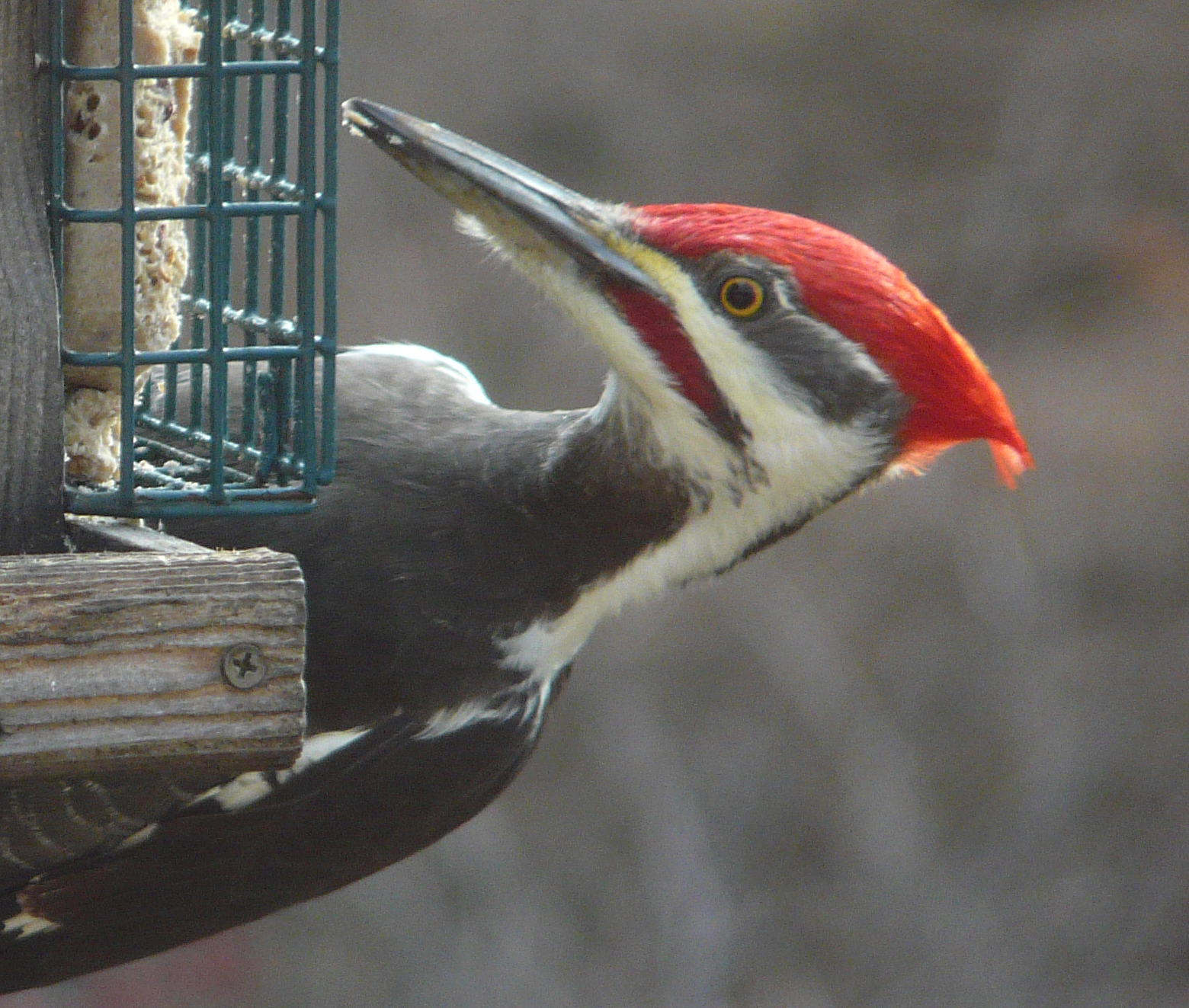
Male Pileated Woodpecker
Photo by Lawrence Wade

My alarm clock is a pileated woodpecker. Every day between 7:30-8am, I hear its call and know it is time to get up and start my day.
Lawrence Wade

Posted in Connecting to Nature | 6 Comments

Walking in Two Worlds

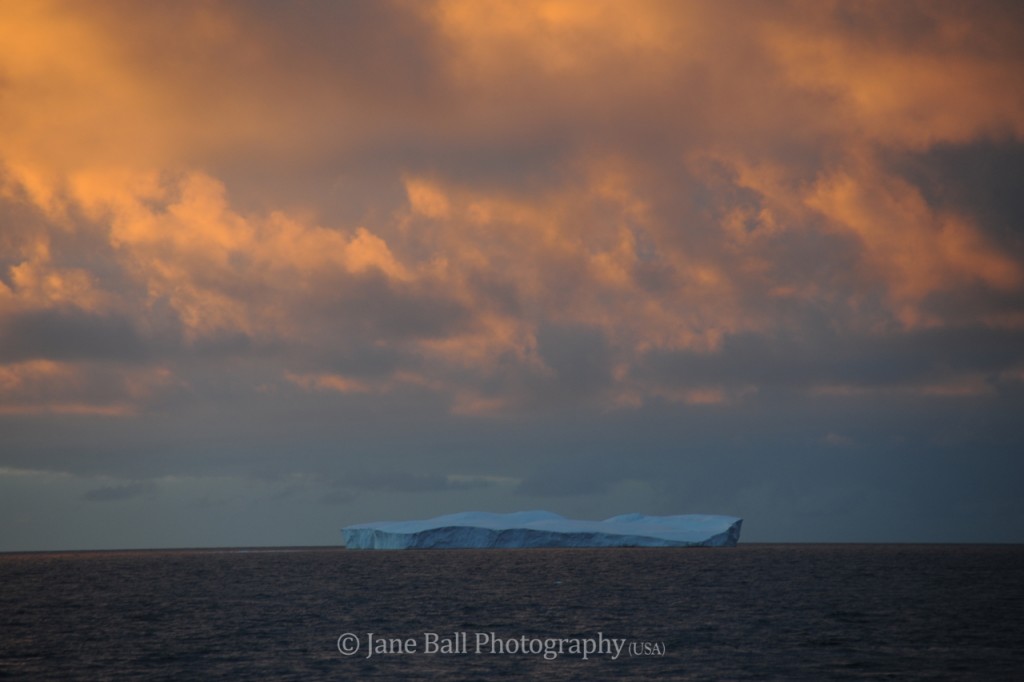
Editor’s Note: The wildness of Antarctica, the Chilean Andes and the desert lands of the Atacama in Northern Chile had a deep impact on many of the travelers. Hopefully, you will feel the raw emotion in the poetry and the photos. One of the photographers, Jane Ball, has traveled around the world with her camera. To see more of her work go to:  www.janeballphotography.com/

DSC_7539

DSC_6321

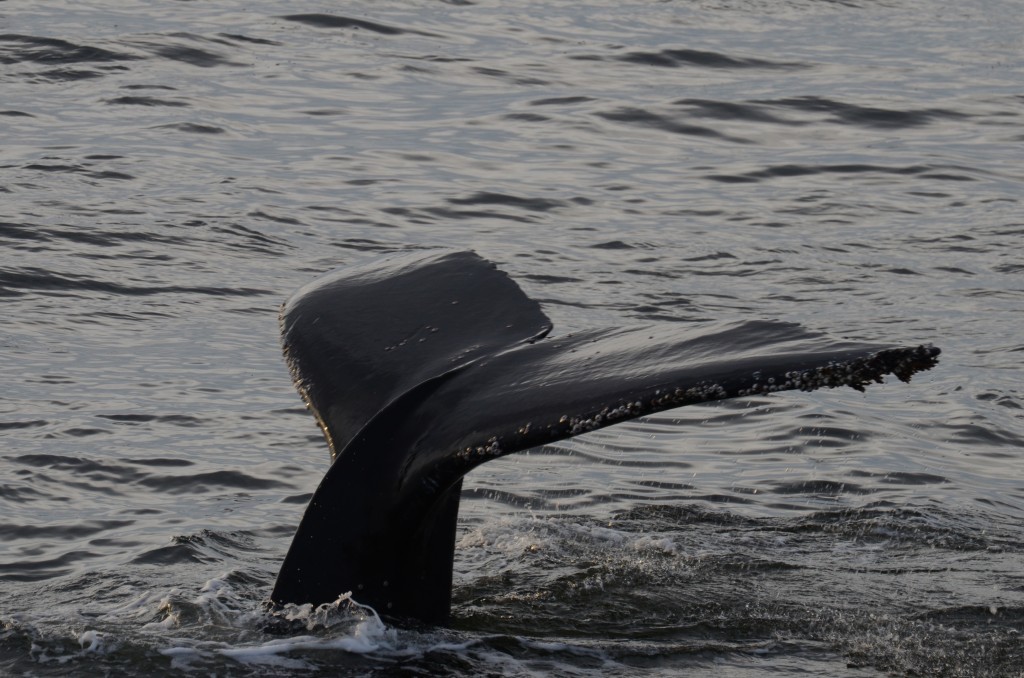
A humpback dives right beside the Zodiac. Photo by Robin Sanislo

A humpback dives right beside the Zodiac.
Photo by Robin Sanislo


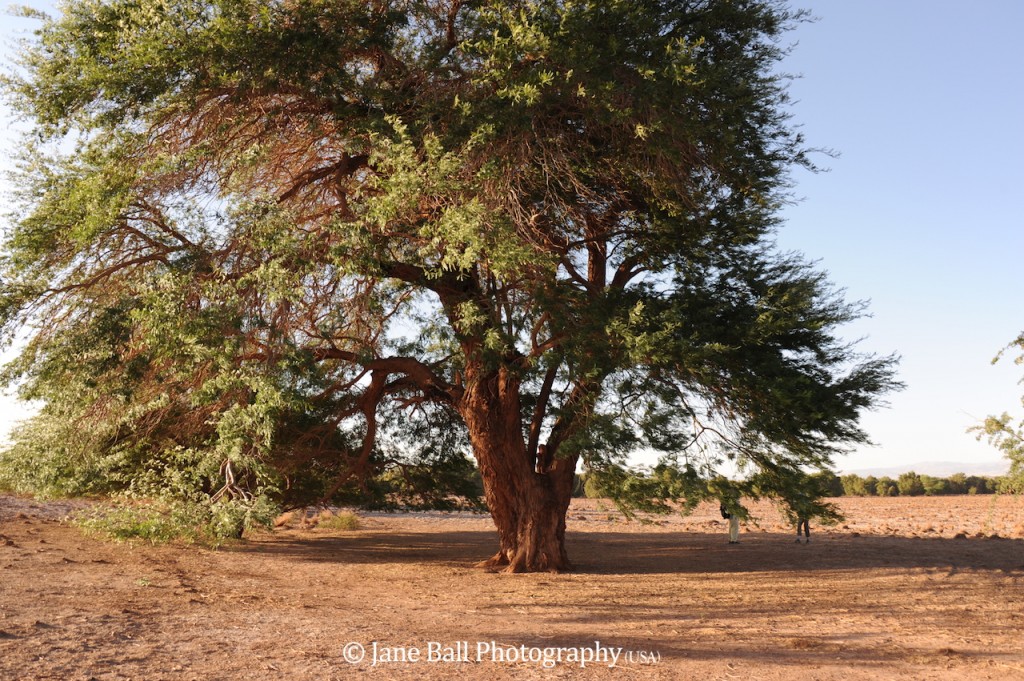
When in the Atacama desert, we walked across dry, heaved, hard dirt and made our way to a large, very old Carob Tree. The wind touched our faces and we discussed how being more authentic in ourselves and being more of who we are would allow more life to come to us. To touch us. We would be more available to the earth and to each other. Later that day, I sat with the question, Who am I?

Betsy Nelson-Callahan

Touching Life

Carob Tree Photo by Jane Ball

Carob Tree
Photo by Jane Ball

I am the Water, the stone,
And the woman who swims.
Life will come to me.

 I am the song, the dance,
And the woman who sings.
Life will come to me.

 I am the flower, the rain,
And the woman whose hands
Are covered in dirt.
Life will come to me.

 I am the wind, the tree,
And the woman who walks
The earth.
Life will come to me.

 I am the tear, the prayer,
And the woman who cares.
Life will come to me.

 And I will open my arms
And hold the truth.

                              Banc


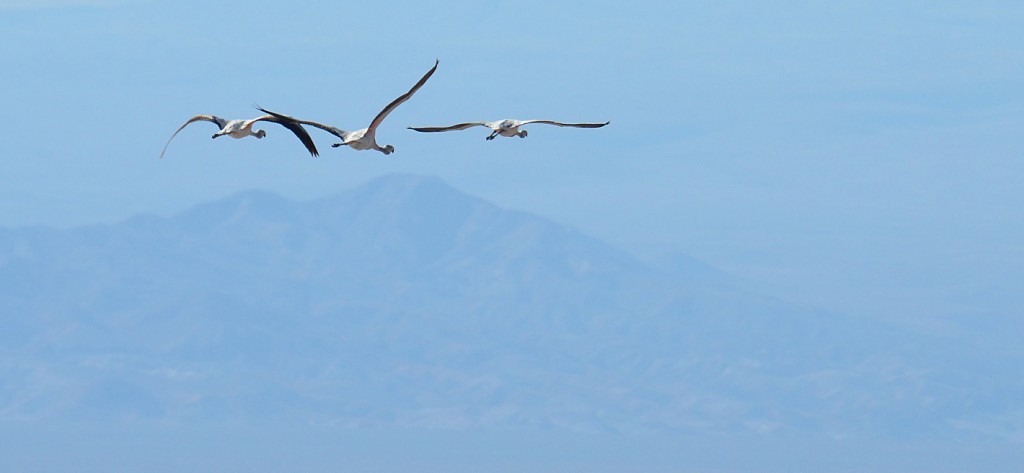
Flamingos in Flight, Atacama Desert Photograph by Robin Sanislo.

Flamingos in Flight, Atacama Desert
Photograph by Robin Sanislo.


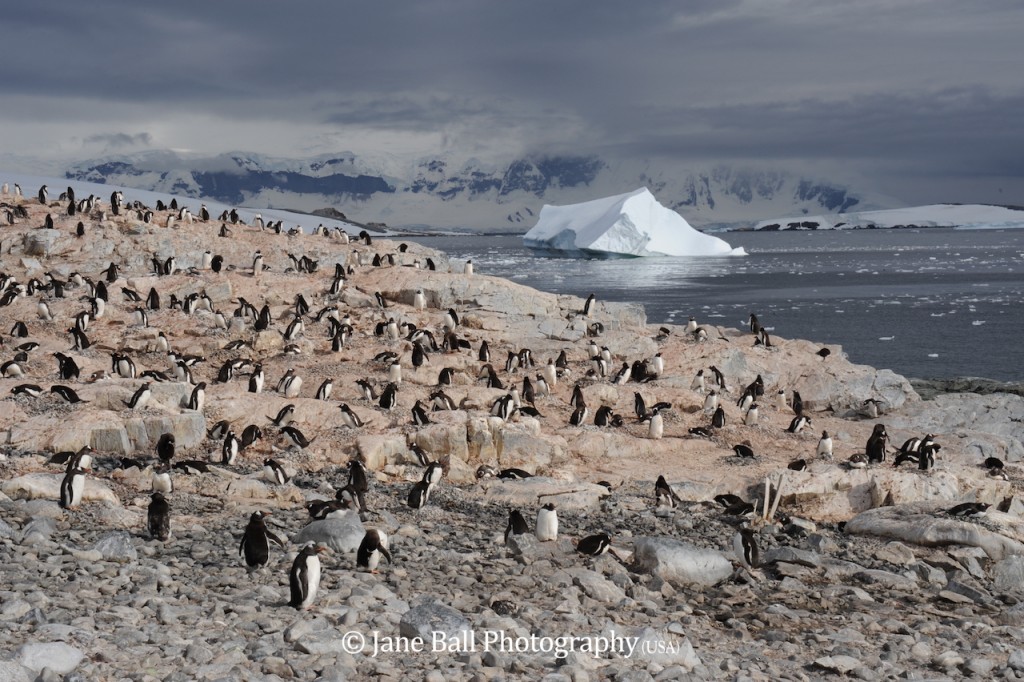
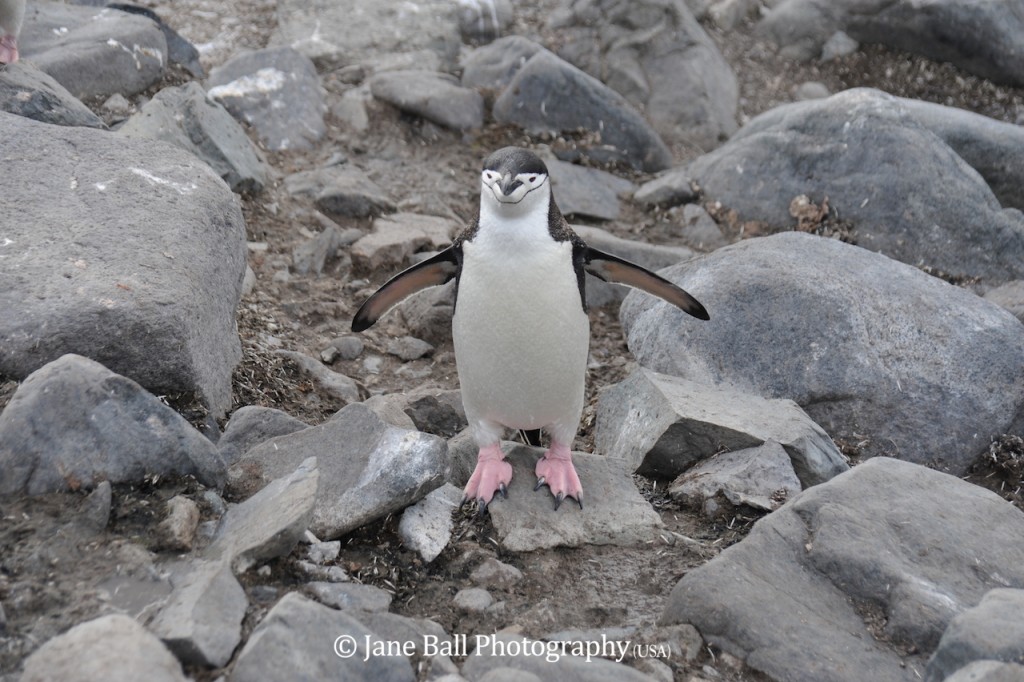
The poem below was inspired by Gentoo and Chinstrap Penguins. They are a tough bunch of creatures. Living each day on the edge. In one of our discussions about the penguins someone asked, “What is their strength?” A fellow traveler answered:

They are what they are

Lawrence Wade

Gentoo Penguin colony

Gentoo Penguin colony

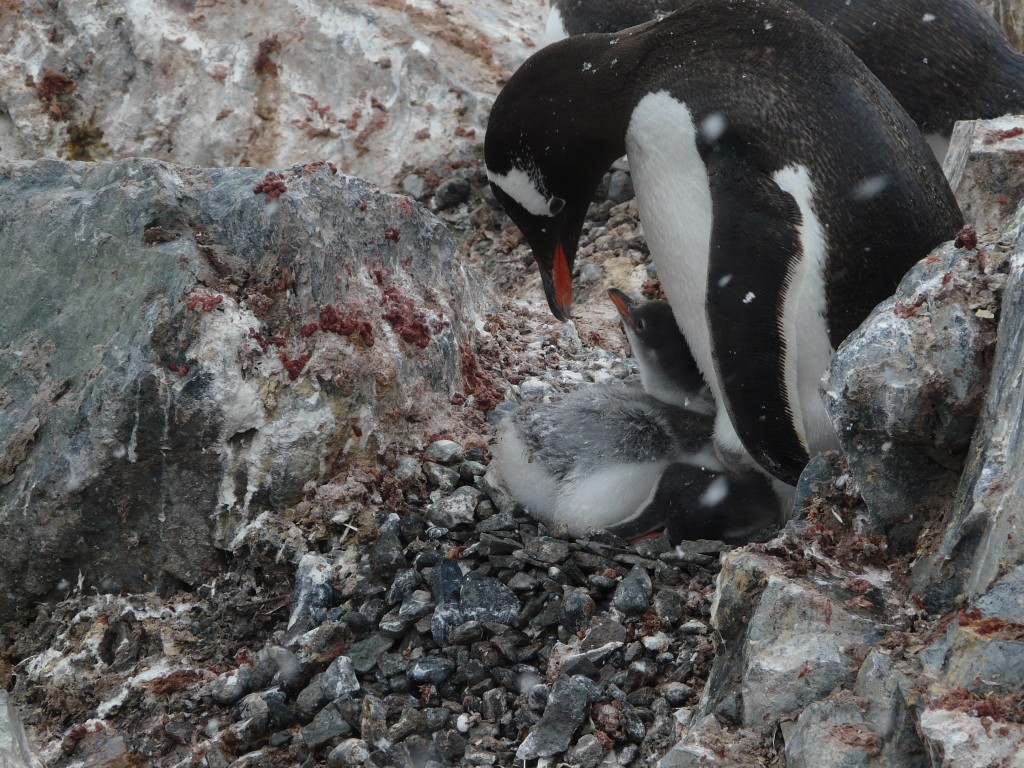
I am the gentoo,
Life and death are constant companions
The skua waits for my chick – to move out of reach
An orca may eat me for a snack
It is of no concern to me
Interwoven into the fabric of life
I am what I am.

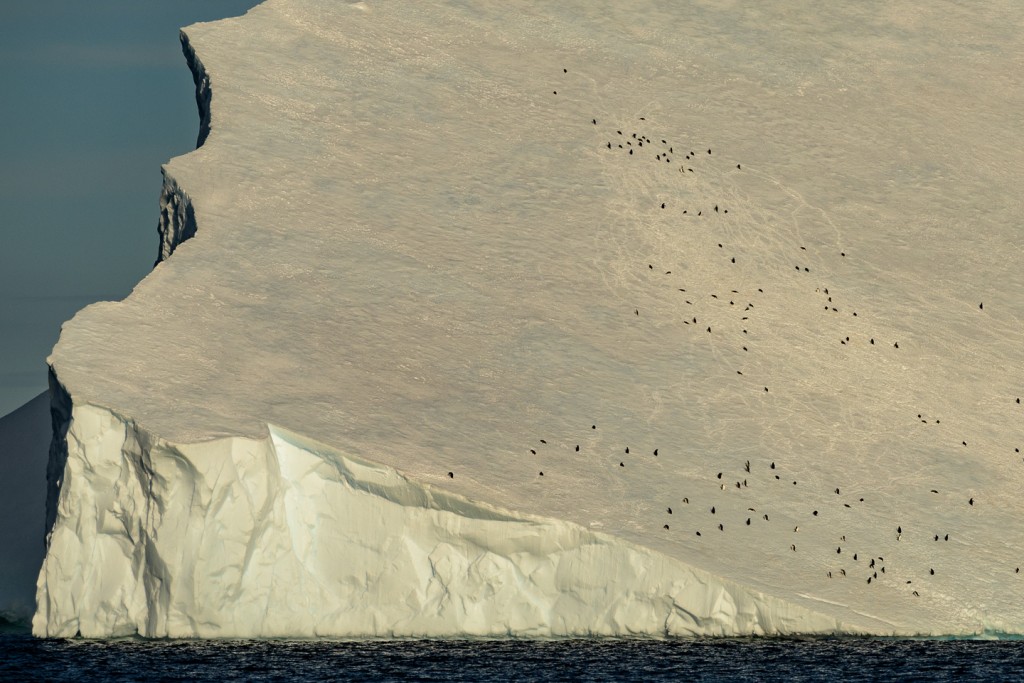
Gentoos climbing ice flow Photo by Rodrigo Antarctica XXI

Gentoos climbing ice floe
Photo by Rodrigo Moraga Zuñiga- Antarctica XXI

I live between two worlds
Land and sea.
Everyday is an impossible journey
On the ice floe.
Step by Step.

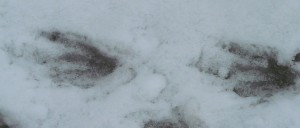
Gentoo Penguin Tracks

Gentoo Penguin Tracks

Falling down – getting up.
A trek towards freedom,
The ocean.
Then slowly climb back up
Step by step.
My chick is up there,
And must be fed.
I am what I am.

P1110342I am the human.
Raw wildness of Antarctica,
Exposes false truths.
Opportunity to see with fresh eyes
Unexpressed pain
Old patterns and beliefs die slowly
An unknown path to travel
I am what I am

Two steps forward – one step back
Murky water
Embrace abandoned self
Reach out for help
More oxygen
More hope
An impossible journey back to myself
I am what I am

Chinstrap Penguin

Chinstrap Penguin


DSC_5953

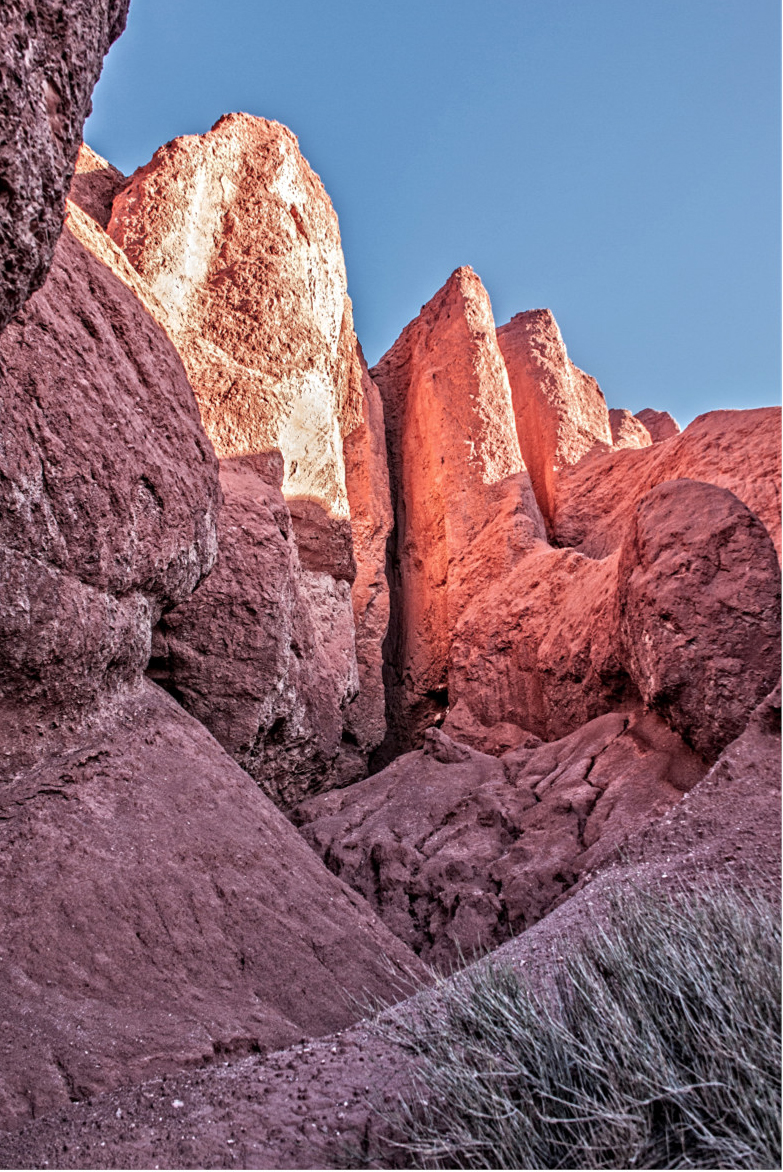
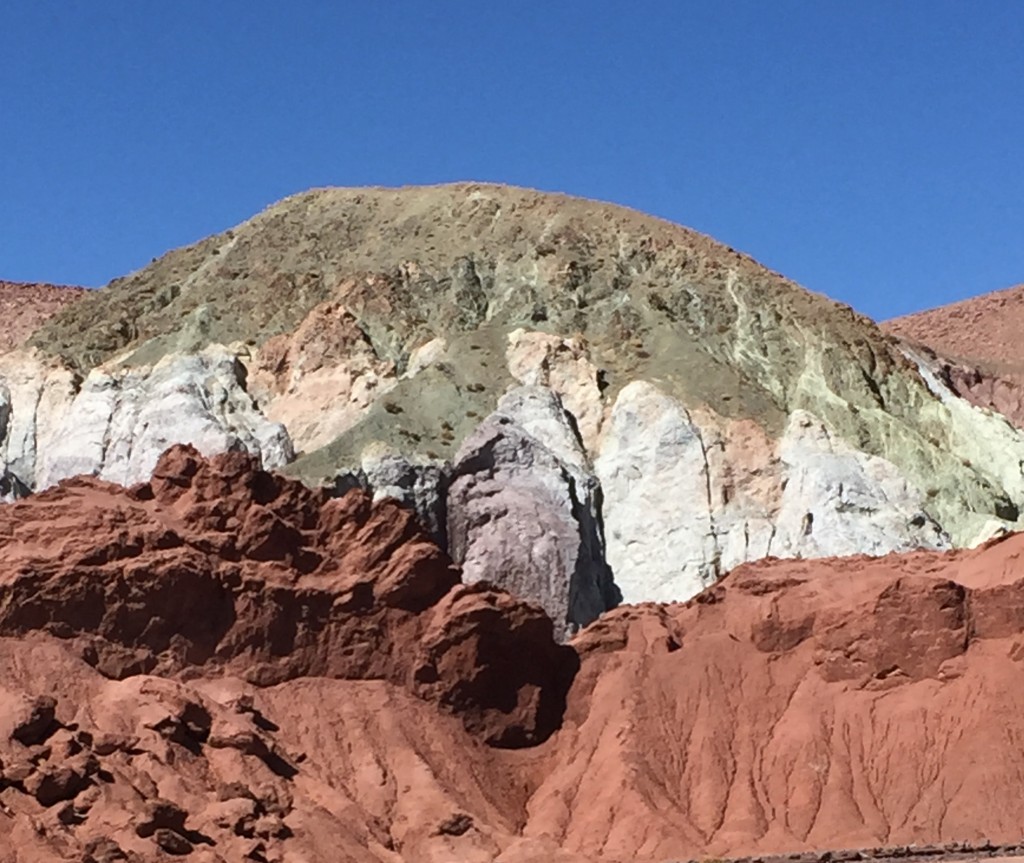
The Atacama Desert, in Northern Chile, is a desolate land filled with many wonders. Looking at the photo below, is a crack between the spires. Some of us were able to find our way up into the crack to a secret landing.  It was here that the sounds reverberated off the walls.

Lawrence Wade

Sacred Spires

Photo by Ken Brown

Photo by Ken Brown

Ancient spires of red volcanic ash
Reach high into the sky
Seekers ask the enchanted land for entry
A steep scramble and a large boulder blocks the way
But determination wins out
At the foot of the cathedral walls is the sacred ground.
Shoes must be removed,…. but weren’t.
A falcon nest on a small bluff above.
Bones and feathers litter the ground.
A woman’s primeval chant pulses into the mountain
And mixes with the mountain’s song.
The song drifts out across the land
Witnesses hear two voices
One the mountain and the other a woman.
A blessing for Earth.

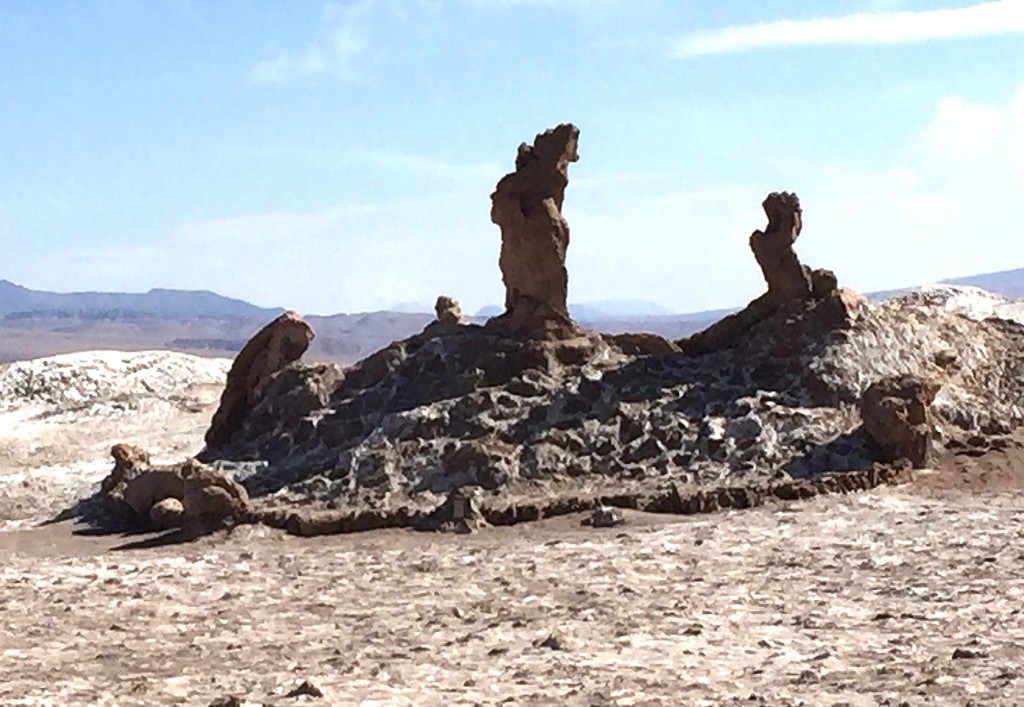
Natural Salt Sculptures, Atacama Desert, Chile photo by Lawrence Wade

Natural salt sculptures, valle de la luna, Atacama Desert, Chile
photo by Lawrence Wade


Atacama Desert photo by Lawrence Wade

Atacama Desert
photo by Lawrence Wade


Be With the Earth Photo by Lawrence Wade

Be With the Earth
Photo by Lawrence Wade

Posted in Nature Guardians, Nature Poetry, Photography/Art | 9 Comments

Finding Balance in Nature

I am thrilled to share this posting that includes the voices of so many people who love nature. I hope you have time to enjoy the creative energy that they have expressed through their photography, stories, poetry and art.


Holly Einess is a naturalist and contributor to the Minnesota Landscape Arboretum Nature Notes.

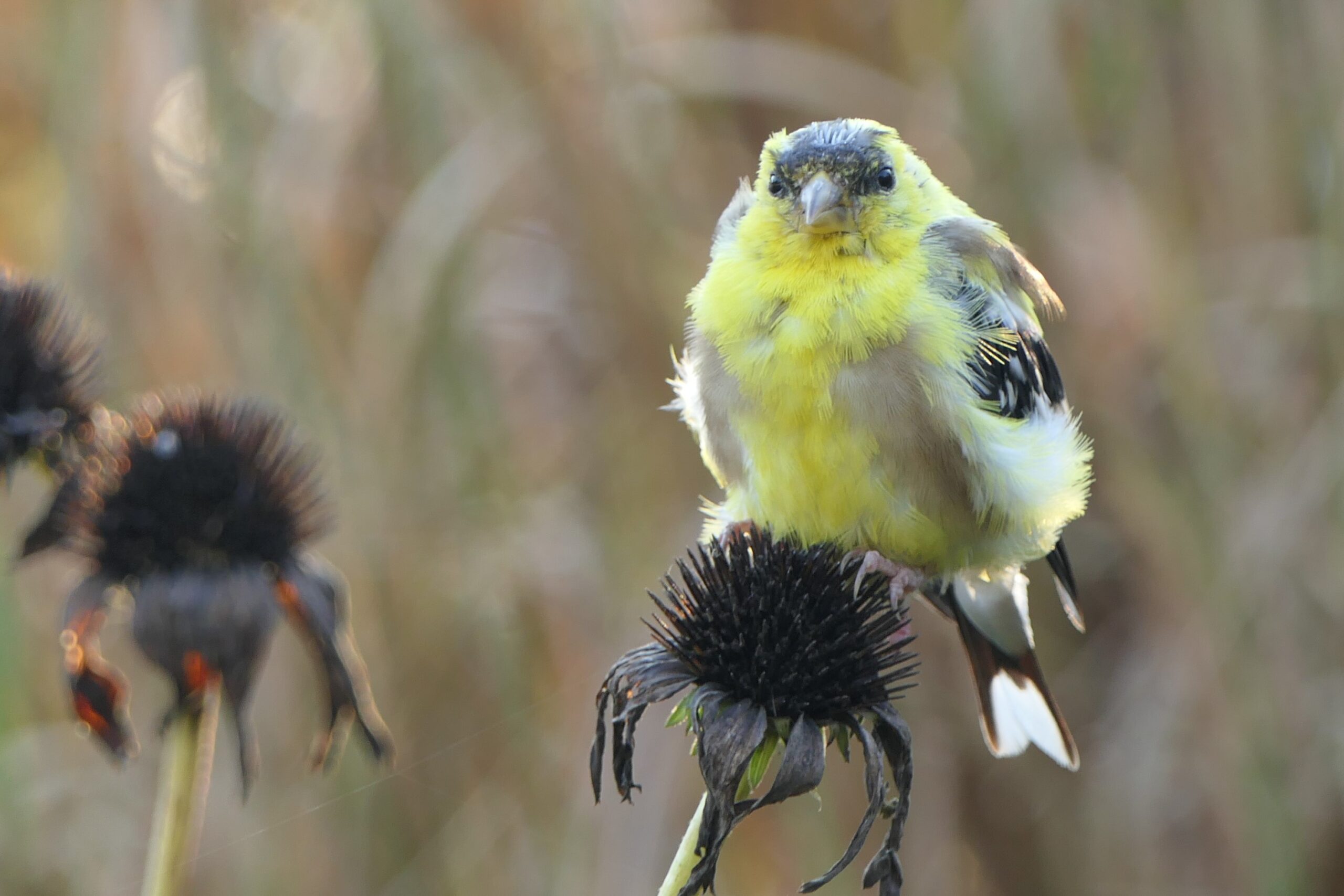
American Goldfinch
Photo by Holly Einess

I took this photo of a goldfinch in September as he was feasting on coneflower seeds. I love how fluffy and bedraggled he looks as he’s transitioning from his bright breeding plumage to his more drab winter colors. What is it about birds that I find so charming? That makes me want to know them? I took up birding several years ago with a local Audubon chapter, and while I now can identify more than the usual suspects (robins, cardinals, crows, and chickadees), I feel as though my appetite for avian knowledge will never be sated. What a challenging endeavor it is, to become an expert birder! Not only do the males often differ in appearance from the females, the juveniles can have their own look distinct from the adults. And then there’s breeding vs. non-breeding plumage, migratory vs. non-migratory… A naturalist I know once said, it’s not so important that I  hang a name on every bird I see. It’s about being out in nature, or even my own backyard, noticing the life around me and getting curious about it. Expert or no, sharing habitat with these feathered miracles brings me untold joy, and for that I’m very grateful.  


Dale Antonson is a frequent contributor to Old Naturalist.

Back to the Garden
A global pandemic and climate change. Difficult headlines to avoid. To relieve ‘cabin-fever’, people are returning to the outdoors.

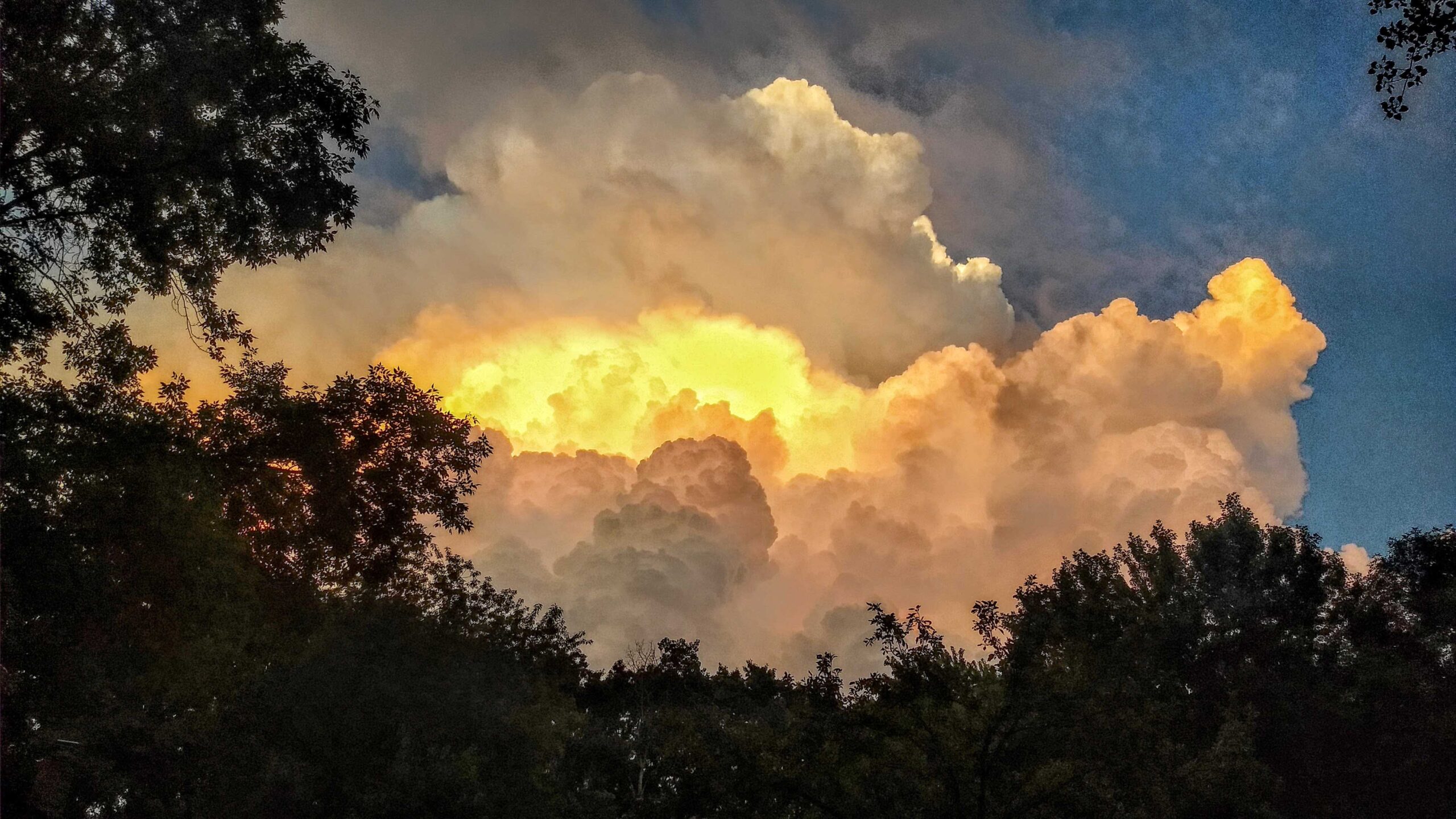
Clouds above my house.
Photo by Dale Antonson

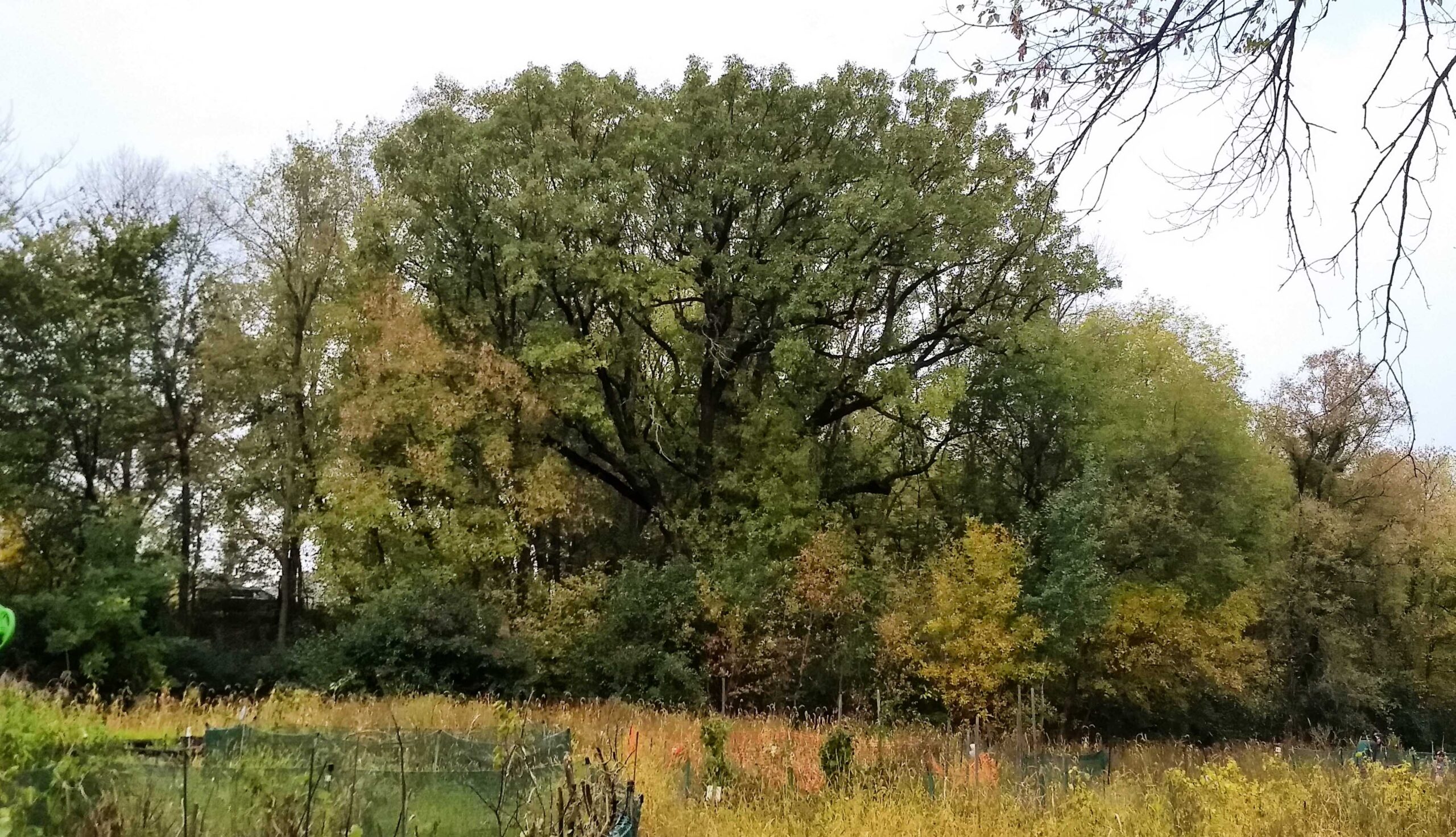
There are many more people out walking, biking and paddling these days. When I was recently hiking in a state park midweek, I saw many families hiking the trails through the forest. The Earth offers ever changing opportunities to notice what’s going on around us.

Bur Oak in Kelly Park, Minnetonka
Photo by Dale Antonson

Observation of the world we’re part of can provide an endless commercial free show of wonder. Entertainment by nature. It is a hidden Blessing in these changing times.

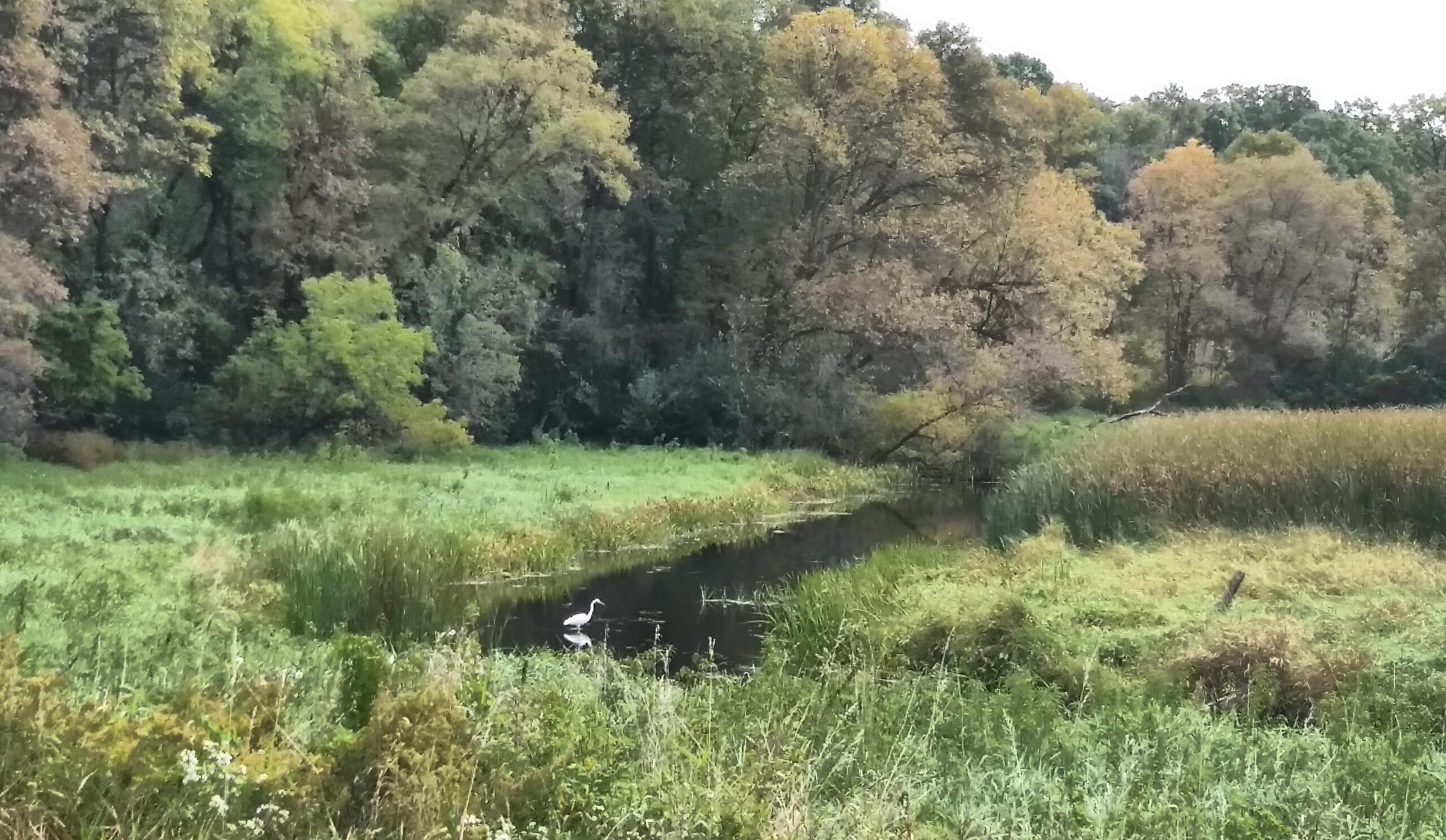
An egret in Purgatory Creek
Photo by Dale Antonson

Across the street from my house.
Photo by Dale Antonson


Sandra Cowing has contributed previously to Old Naturalist.

This work was inspired by a late afternoon walk this summer at Staring Lake in Eden Prairie, MN. It was rainy all day, the clouds were finally breaking up and the sun came streaming in through the vegetation. The sun caused an ethereal, misty effect shining through the wet trees. It was a magical moment.


Jen Heyer is a 3rd grade teacher at Highlands Elementary, Edina, MN.
To learn more about Jen’s Program go to :  heyerlearning.net

My third graders and I went on a noticing walk and happened upon a rabbit “murder” scene. It was incredibly interesting and I literally had to pull some of them away. There were bones sticking out and all of the organs and intestines had been removed and placed next to it. We made our predictions regarding what happened and then, real close to the scene we found this feather.

Photo by Jen Heyer

With the feather in hand, we made some guesses regarding which bird of prey could have done this to the rabbit. While looking through feather guides, the children debated between the feather belonging to a red-tailed hawk or a great horned owl, but could it possibly be a Cooper’s hawk? Barred owl and bald eagle came into the discussion as well, but were quickly removed from the list.

Our class reached out to the Minnesota Tracking Club with our two main predictions and heard back from them: “Sherlock and Watson were investigating a murder when Watson called out to Sherlock, ‘I found a knife! It must be the murder weapon.’ Sherlock in a calm voice replied, ‘My dear Watson, just because you found a knife in the kitchen, do not assume it is the murder weapon.” Are you sure the feather is associated with the crime scene?” I read the response to the students and one student jumped up, “We don’t know that the rabbit died from a bird of prey!” The search was on; what bird could have left a feather this large, and not be a bird of prey? After much discussion and a little bit of research, we solved the mystery. Have you?


Christina Gregory is an artist and poet and has contributed previously to  Old Naturalist

Photo by Christina Gregory

The Sculpture Garden

Christina Gregory

Sculpted frozen trees

their artwork formed in time and wind

stretch their arms in praise.

And so we also stand as naked fragile souls

before our Maker , seeking His embrace.

 Their art-formed trunks in shapes grotesque or elegant broken lines

 groan with only a rusty, frozen leaf to blow

 in brittle memory of a past life.

 Winter’s butterfly.

 These spirited statues in motionless frost

 embrace the silence

 caressed by stillness.

 And so I view in quiet awe their majesty

 a tapestried reckless mass of threaded branches

 a lesson in frozen time.

 Like pen and inked objects before me

 they quietly teach the lessons of the universe.

 Stripped of life, save a fragile leaf or two,

 in bitter cold each branch moans and snaps

 some failing winter’s test.

Helpless and trusting they stand waiting for nature’s next event

 when bubbling life inside decorates with new spring greens

 and clothes the forest once again.

 And so I stand, as do we all, as God’s little works of art

 Shaped by tragedy and time yet filled with life waiting to be reborn:

 “clothed in the newness of life”.


Paul Gagner has contributed previously to Old Naturalist

Most of these photos were taken within a couple of blocks from our house.

Photo by Paul Gagner

Being outdoors is one  of the only places I would rather be during this period of confinement.

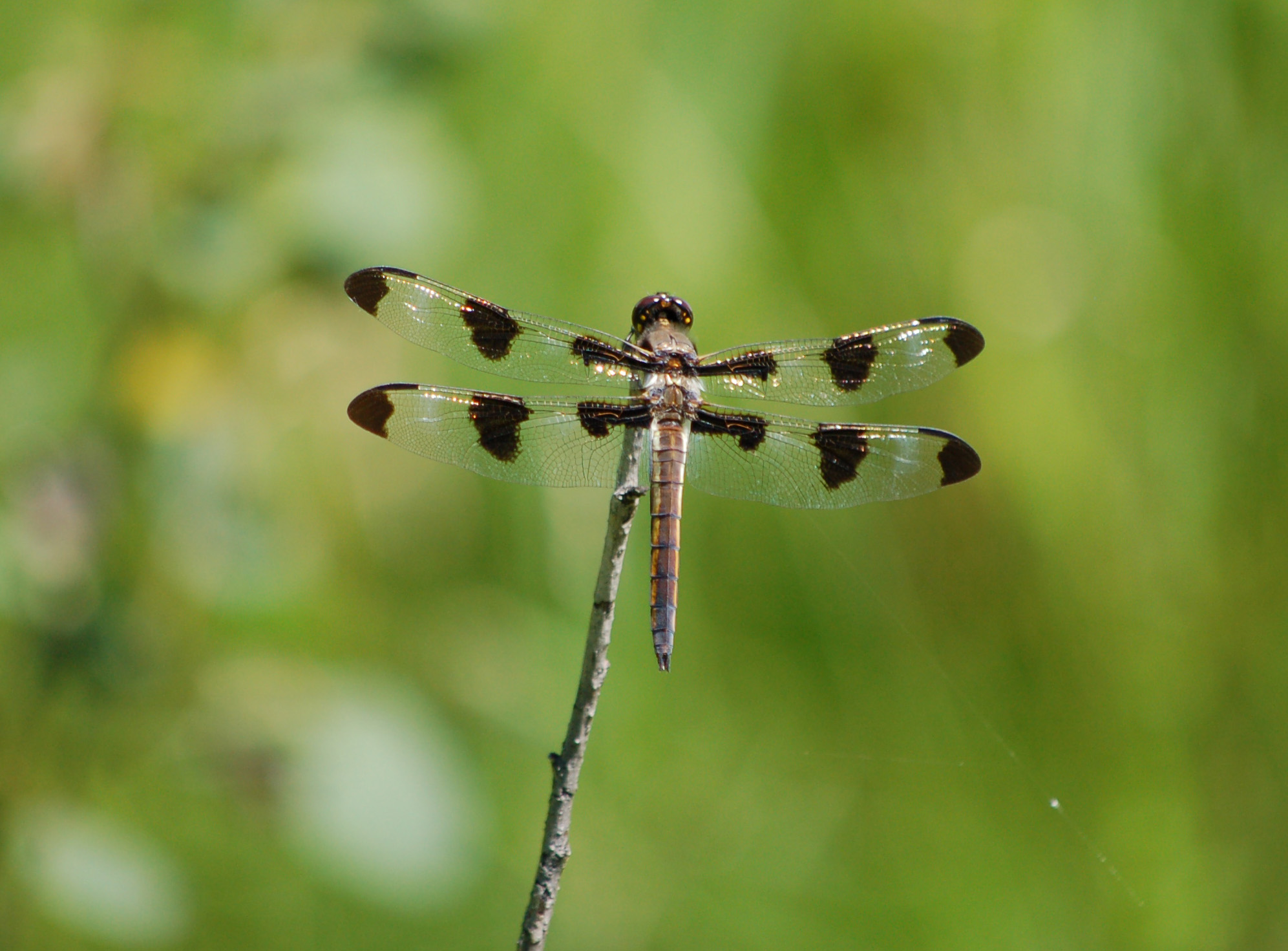
Twelve Spotted Skimmer
Photo by Paul Gagner

Nature is really all that counts after  waking up (not including family and friends).

Photo by Paul Gagner

Rather a tree than a human?
Not in all cases, but I think you know what I am saying.

Photo by Paul Gagner

Photo by Paul Gagner


Alex Munoz is a frequent contributor to Old Naturalist.

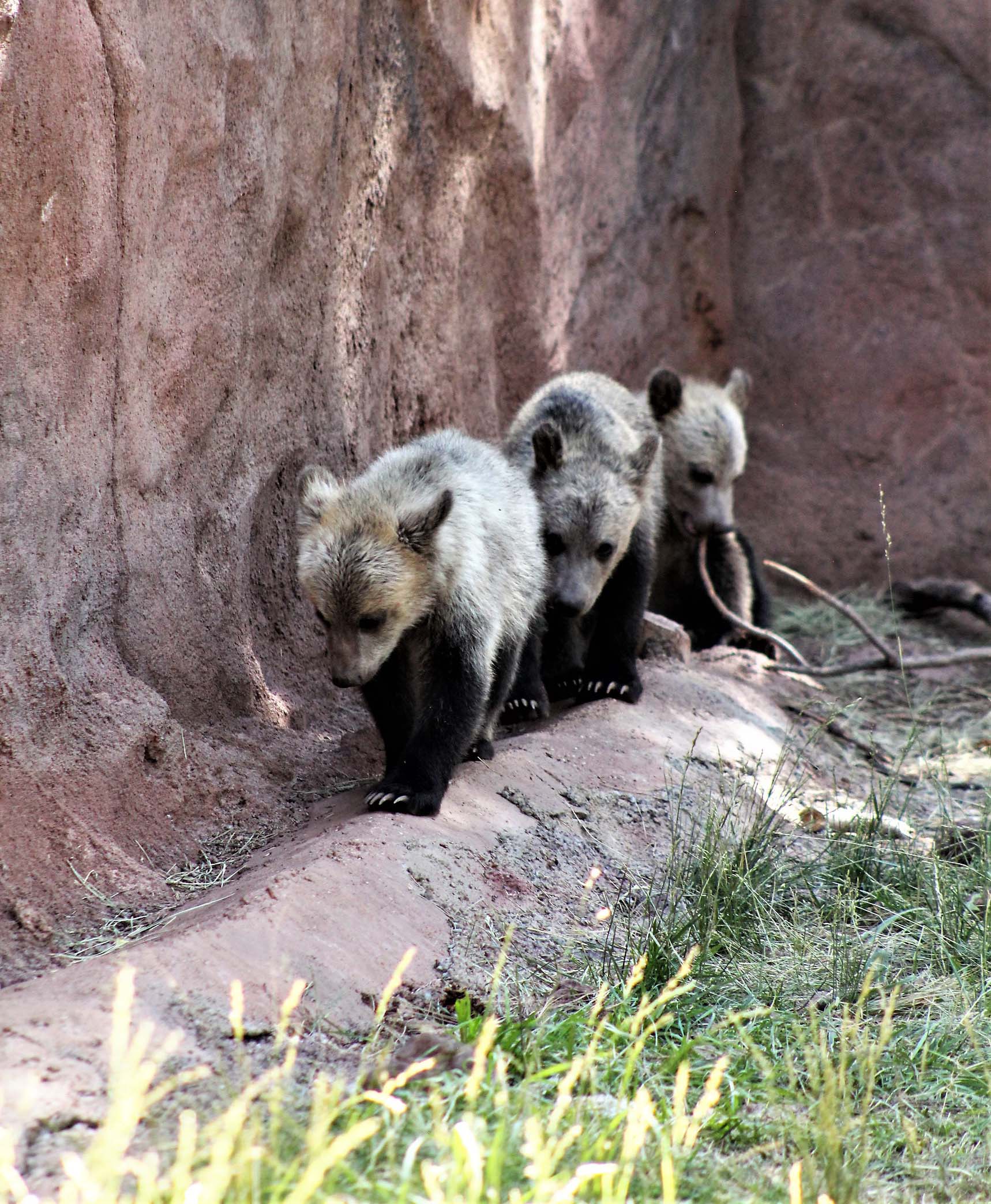
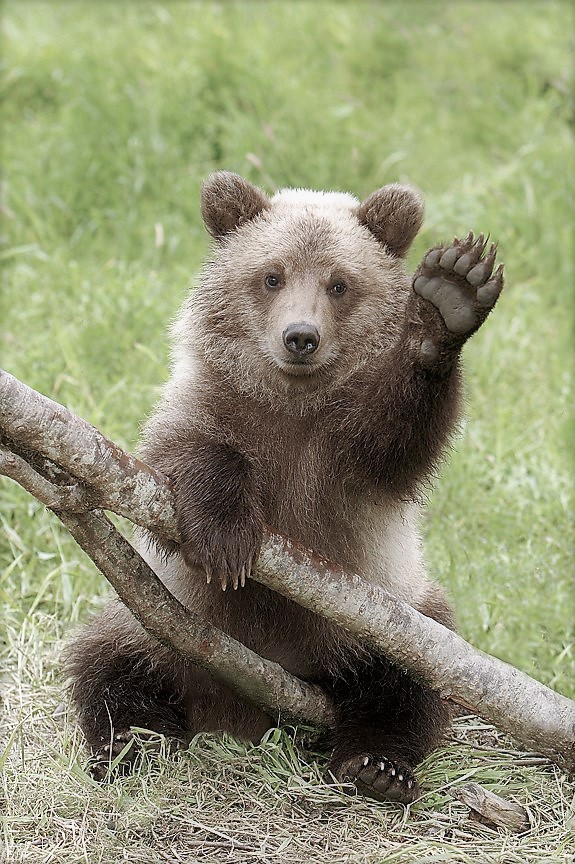
These are Grizzly bear cubs, mother was killed in Montana, the cubs were donated to a sanctuary for wildlife, near flagstaff, AZ. Where they are being raised to date.

photo by Alex Munoz


Animals
Carnivore, herbivore, omnivore
Some of them squeak – some of them roar! 
When they get older they start to walk
Start to grunt and start to hunt.
Some animals are endangered species,
These kind of animals need more space.

Photo by Alex Munoz


Photo by Alex Munoz

Posted in Connecting to Nature, Nature Poetry, Photography/Art | 5 Comments

The Beauty and Value of Fungus in a Forest Ecosystem

A fungus photo essay by Jen Ganley who is from New England; Janine Pung who is from Minnesota; and Jim Cotton from Redwood country, Northern California; Maria Montero, from Minnesota. Thanks to Ron Spinosa of the Minnesota Mycological Society for identifying the fungus.

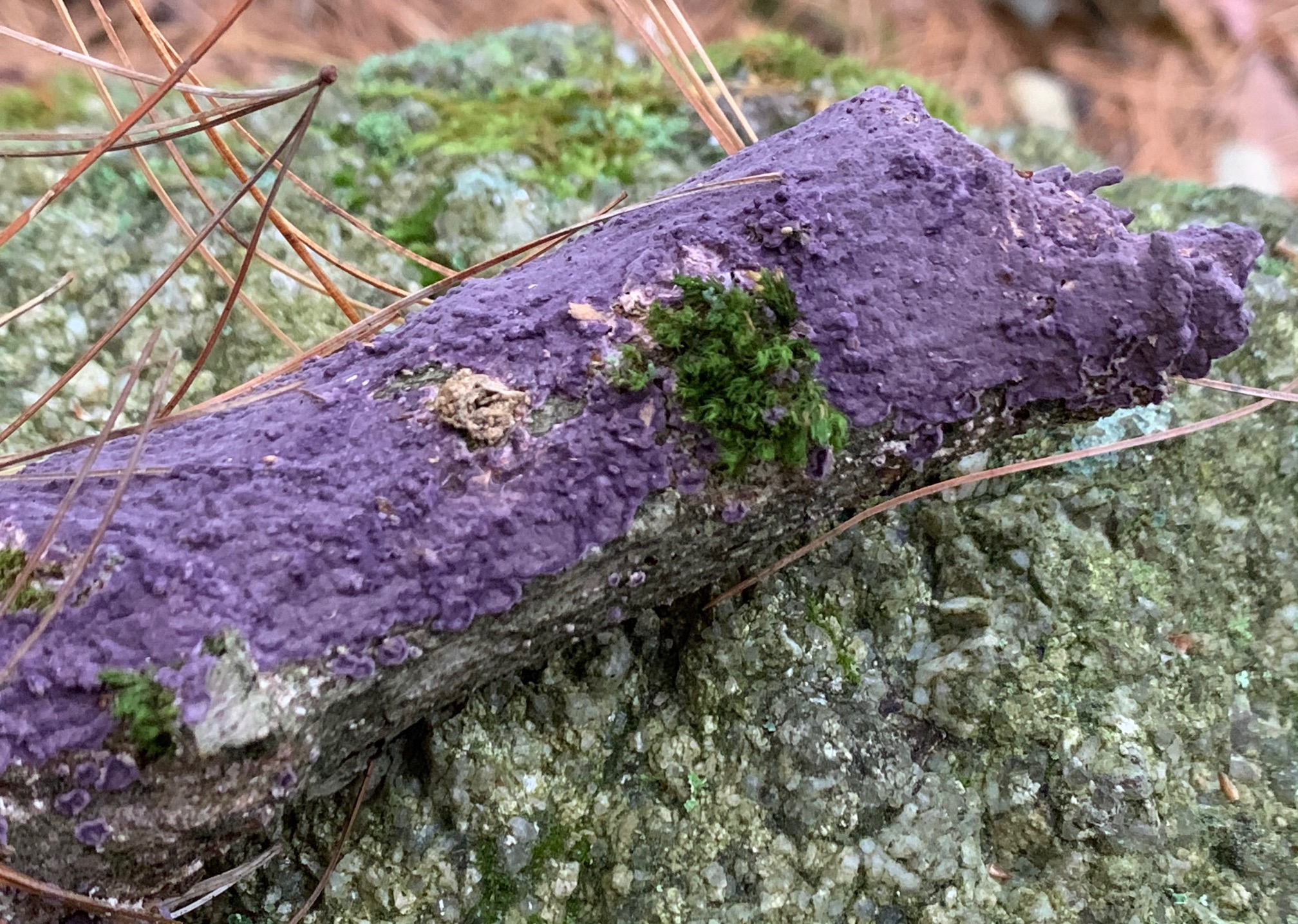
Purple Crust Fungus            Phlebiopsis crassa
Photo by Jen Ganley

When most of us think of fungus, we think of mushrooms sprouting out of the ground. A mushroom is actually the “fruit” of the fungus. Most of a fungus grows underground and is a large network of tiny threads called “mycelium” that intertwine with trees.

American Caesar’s Mushroom, Amanita Jacksonii
photo by Jen Ganley

This attractive mushroom is found in hardwood forests of New England. Most types of Amanita are highly poisonous, whereas this one is edible. It is a close relative of Caesar’s Mushroom, which grows in Italy, was a favorite of the emperors of the Roman Empire. The mushroom has a symbiotic relationship with the roots of certain trees.

How large can a fungus get? The largest known underground fungal network in the world is a honey fungus in Oregon that measures over 3 miles across.


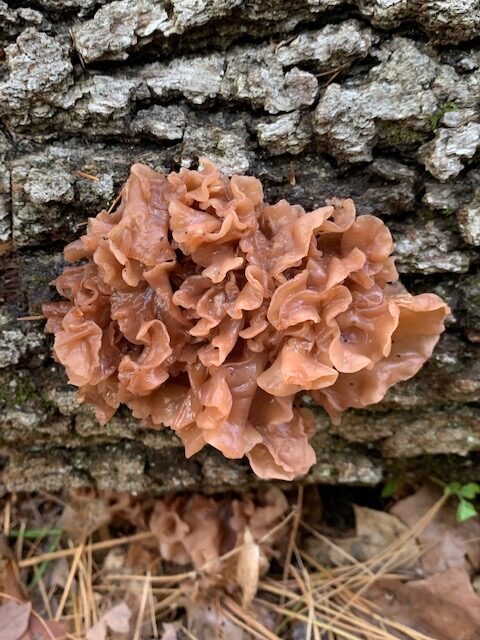
Tremella foliacea.
Photo by Jen Ganley

Jelly fungus is usually found growing on fallen logs or stumps of trees in deciduous forests.

In a healthy forest, trees are inter-connected with other trees by the fungus’s mycelium network. The mycelium allow trees to share water and nutrients.

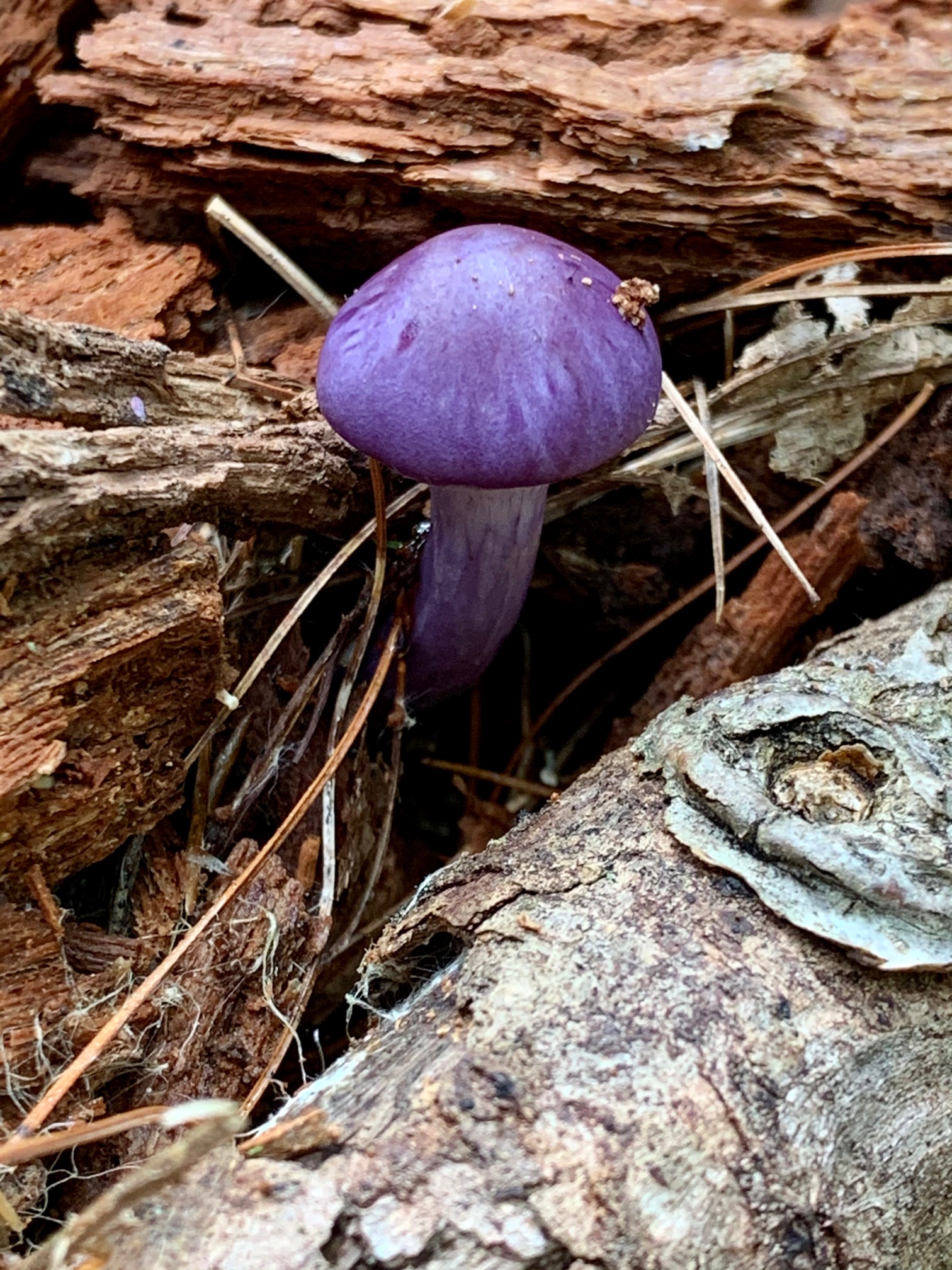
Violet Cortinarius
Photo by Jen Ganley


The Violet Cort emerges after a fall rain. As the fungus grows, its brilliant color fades.

The future of our forests may depend more upon what is beneath the ground rather than above. Most trees have underground fungal partners that channel water and minerals from the soil into trees. In exchange trees supply the fungus with energy-rich sugars from photosynthesis.

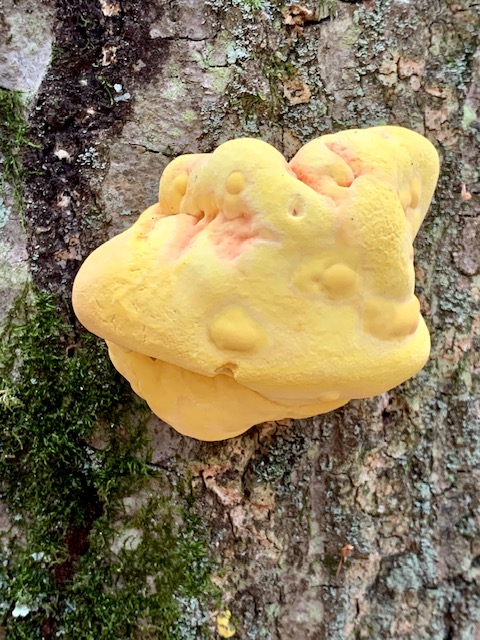
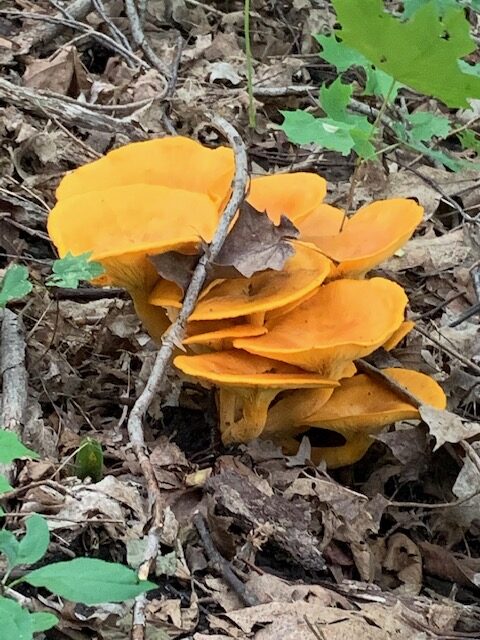
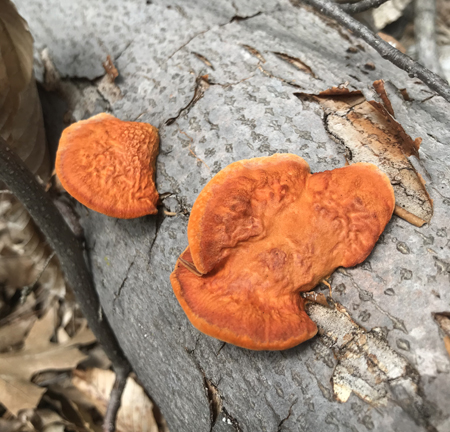
Laetiporus sulfphureus
Photo by Jen Ganley

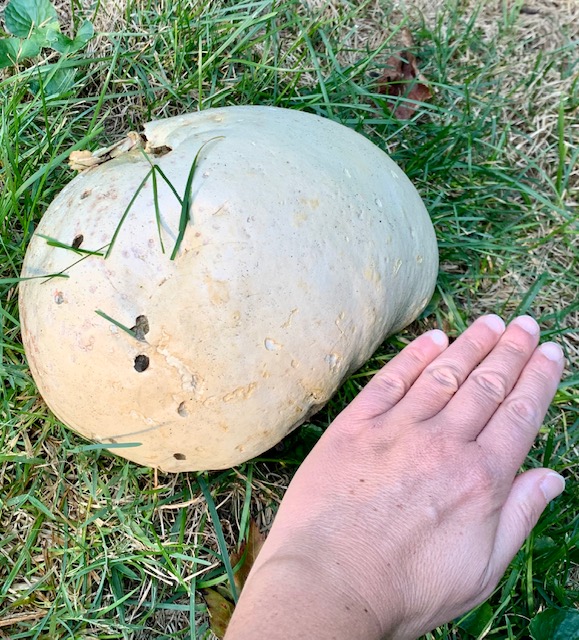
Giant Puffball
Photo by Jen Ganley

Giant Puffballs feed on decaying organic material and are always found growing on the ground rather than on a tree. As the puffball ages, it turns brown and releases its spores. The spores were used by Native Americans to treat bleeding and prevent infection. The largest puffball on record was 59 inches around.

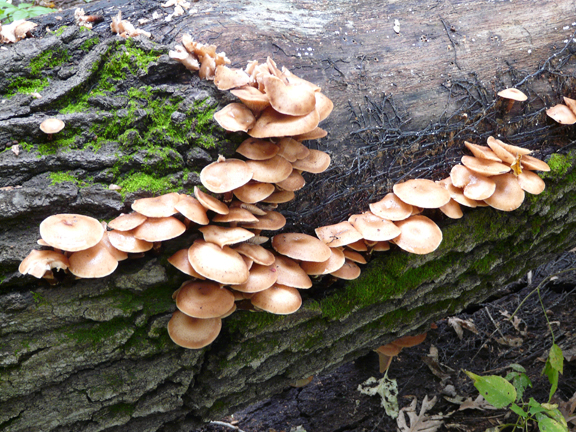
Honey Fungus
Photo by Lawrence Wade

Some species of Honey Fungus are bioluminescent, meaning they glow in the dark.

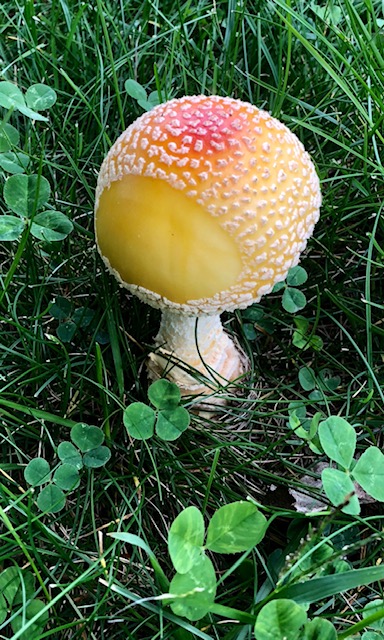
Amanita muscaria guessowii emerging from the ground
Photo by Jen Ganley


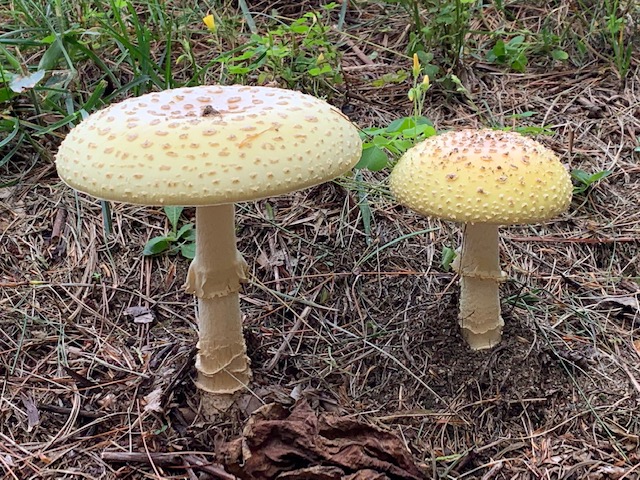
Amanita Muscaria Guessowii fully grown
Photo by Jen Ganley

Amanita is one of the most recognizable mushrooms in the world. The mushroom is featured in the video game “Super Mario Brothers”and in the movie “Fantasia”. It is  highly toxic if ingested. It has a symbiotic relationship with various types of trees. It sends nutrients into the tree’s roots and receives sugars from the tree’s photosynthesis .

Jack o Lantern
Photo by Janine Pung

 We saw the Jack o Lantern on August 14 at Minnewashta Park.  I remember we both thought it was kind of surreal or “other worldly-looking”.  It had a unique energy.
Janine Pung

I was with Janine and we saw a few clumps growing in a hardwood forest. The Jack O Lantern is poisonous and is said to glow in the dark, thus its name, “Jack O Lantern”.
Lawrence Wade

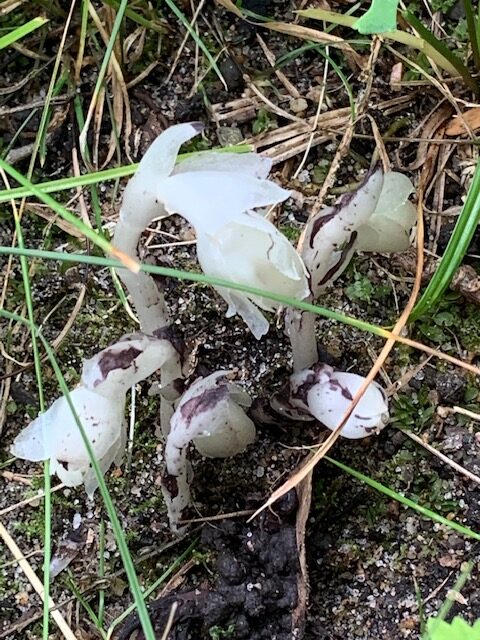
Indian Pipe
Photo by Janine Pung

Whenever I see an Indian Pipe in the woods, my first reaction is, “What’s that?”. Lawrence Wade

Indian Pipes are not actually mushrooms but a unique form of plant also known as the “ghost plant”. It grows in the shade and lacks chlorophyll, thus it has a pale color. Since it is not able to photosynthesize, it “steals” nutrients from the mycelia of fungus who are interconnected to the roots of trees.

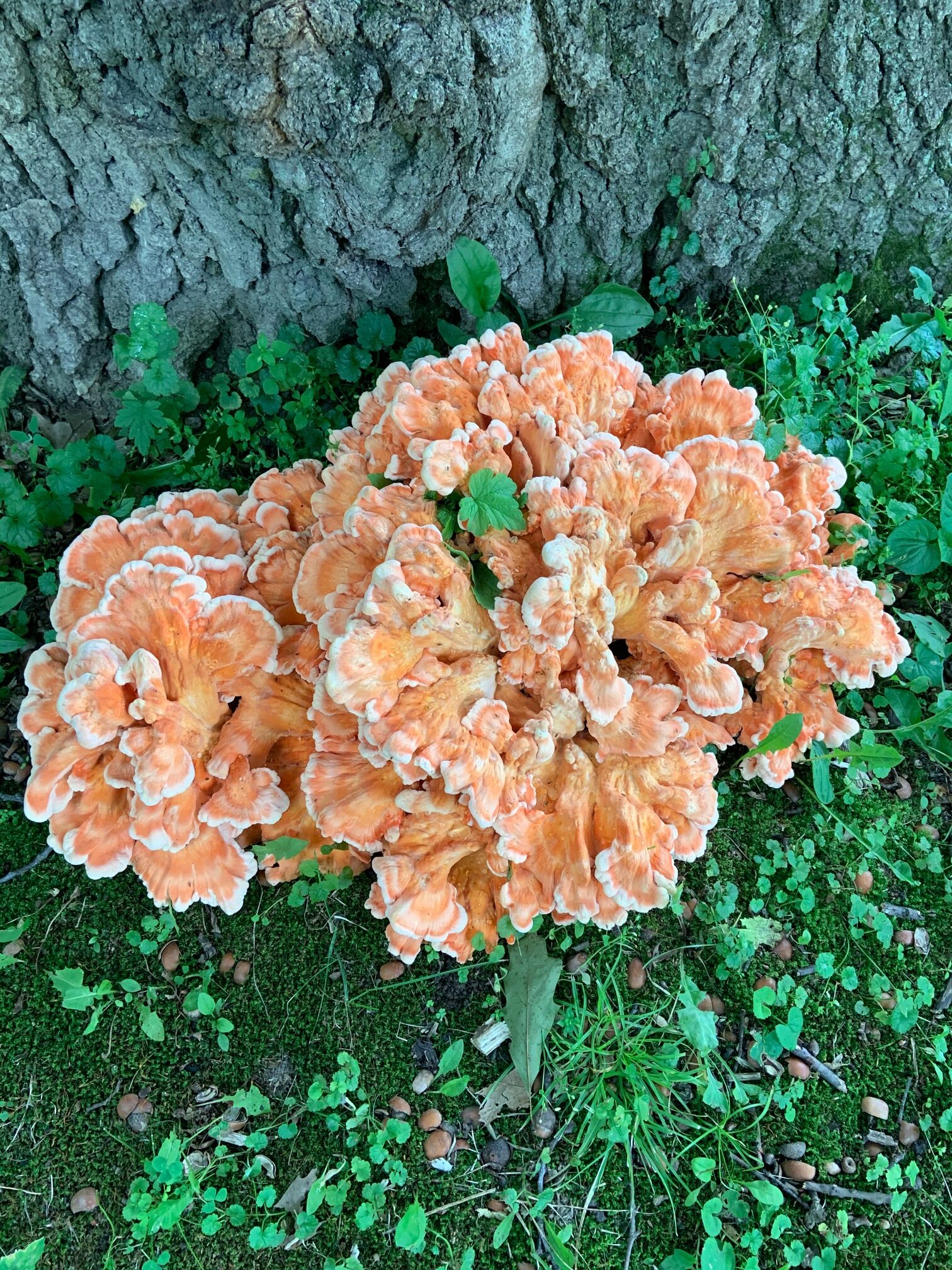
Laetiporus cincinnatus
Photo by Janine Pung

The “Chicken in the Woods”  is not only colorful, but a culinary favorite of mushroom hunters. It can be found growing on the base of dead or dying hardwood trees.

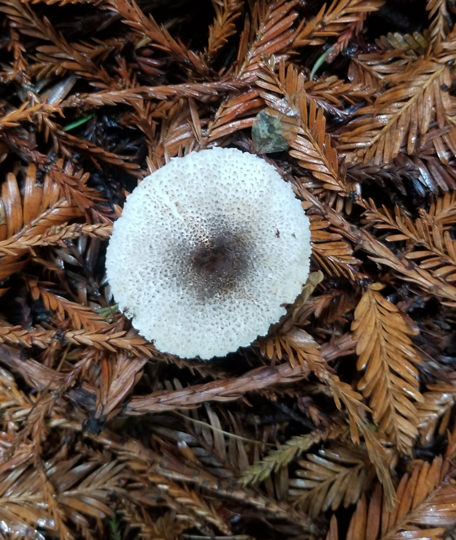
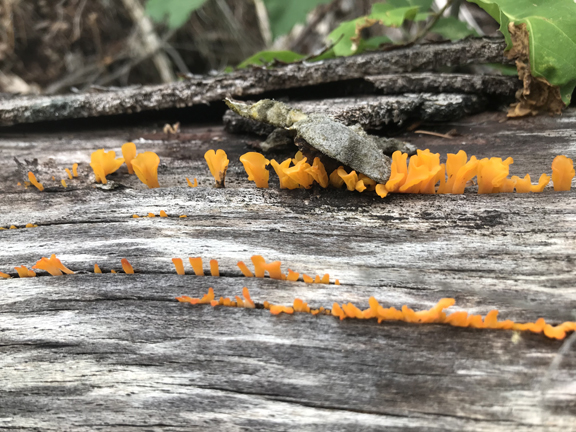
Photo by James Cotton

Loved the color variation and Redwood habitat.  James Cotton

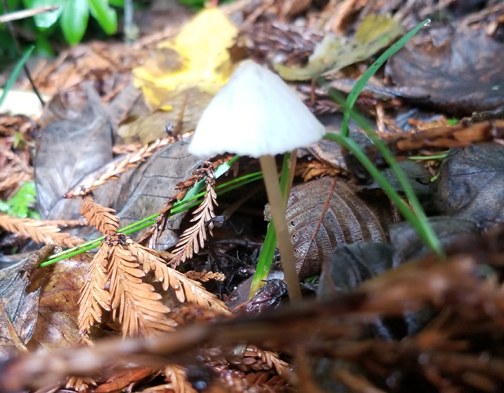
Tetrapyrgos nigripes.
Photo by James Cotton

Really like the architecture with nature’s skylight. James Cotton

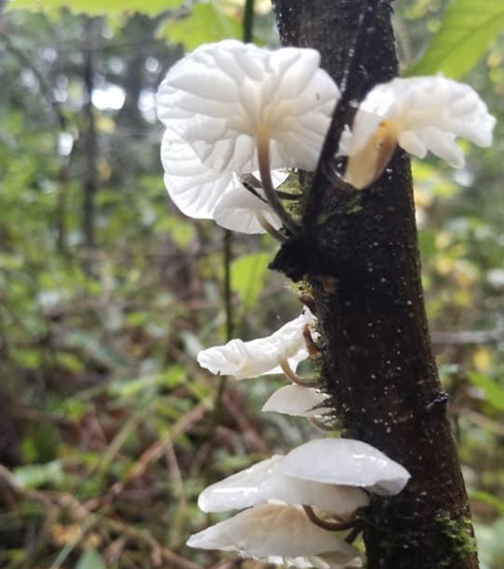
Mycena sp.
Photo by James Cotton

So tiny and delicate.  Another micro world that is so easily passed over.  A reminder to slow down and take it all in.  James Cotton

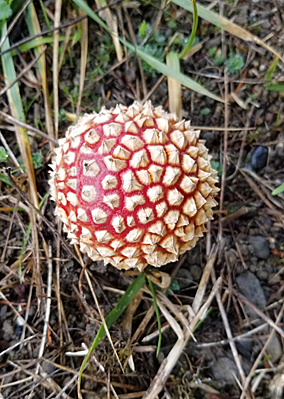
Amanita Muscaria
Photo by James Cotton

Like Gondwana land the white surface fragments of the cap breakup into other patterns as the cap evolves.  Startlingly beautiful coloration! Perhaps a cautionary signal not to eat.  James Cotton

Sleeping Bear Dunes, Upper Pennisula MI.
Photo by Maria Montero

Sleeping Bear Dunes, Upper Pennisula MI.
Photo by Maria Montero

Contributor, Cindy Eyden shared the following link: How Trees Secretly Talk to and Share with Each Other

https://thekidshouldseethis.com/post/the-wood-wide-web-how-trees-secretly-talk-to-and-share-with-each-other?fbclid=IwAR0b-csElpHQ4PD7llPbtW74Tfcd2IbJdB2opnR9rXkN6iQoVlQHcYP7hWQ


Posted in Connecting to Nature, Photography/Art | 5 Comments

Planting Hope

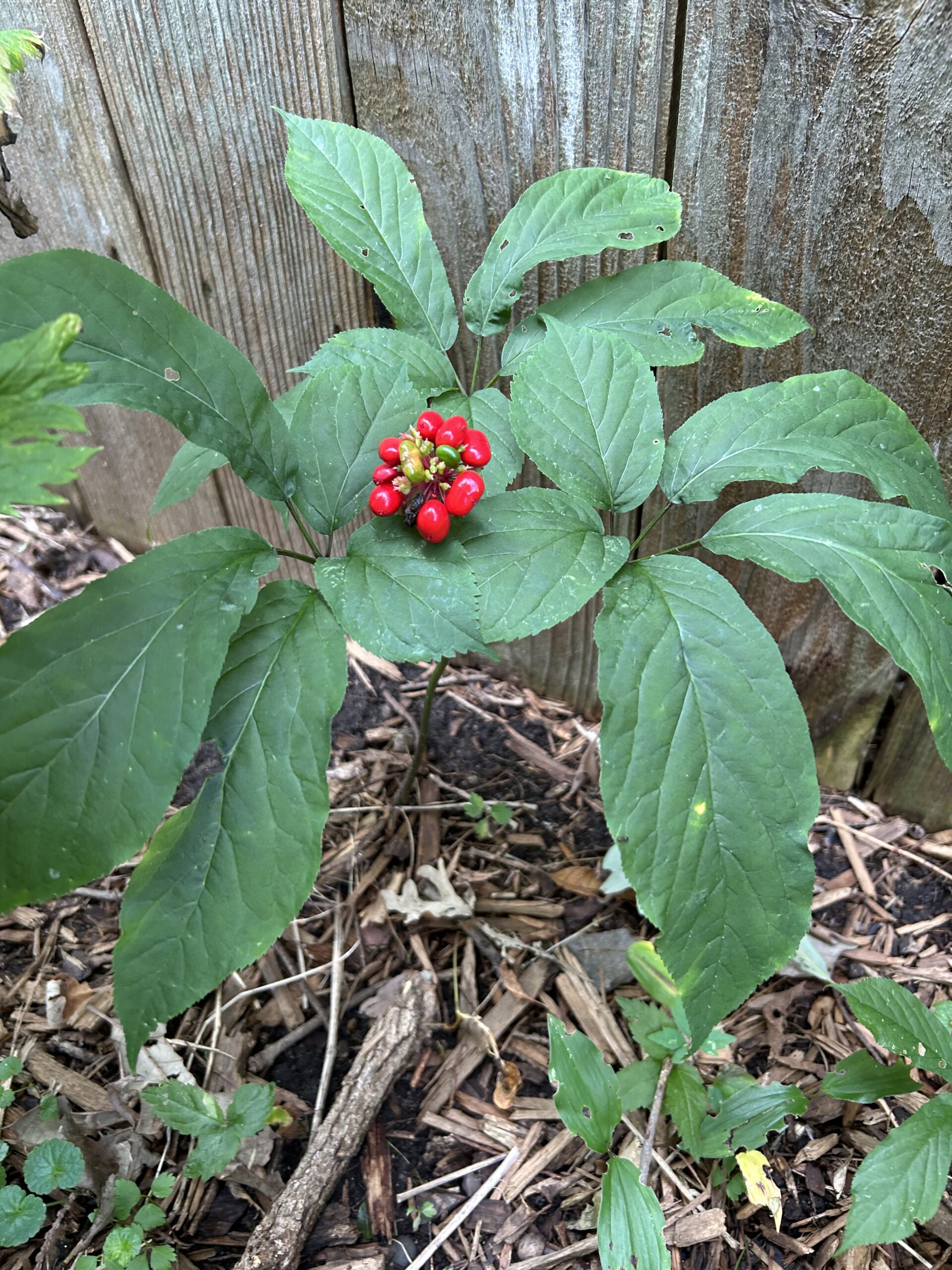
In 1997, I contacted a nurseryman who had rescued hundreds of native plants that were going to be destroyed from a road cut near Northfield, MN.

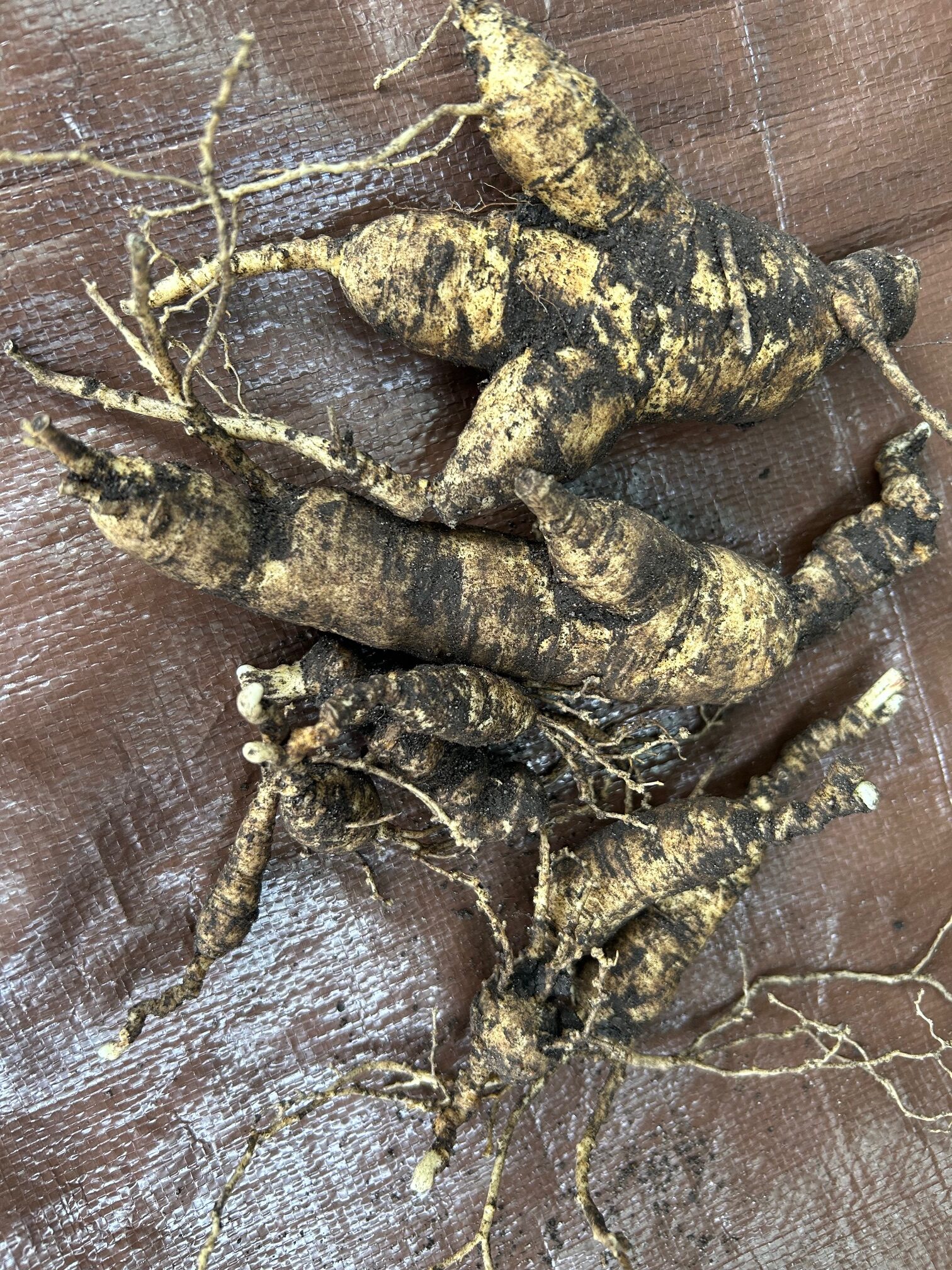
I bought several hundred of his plants for a restoration project that I was doing with 3rd graders at Big Willow Park in Minnetonka. I kept three of American Ginseng that was in the mix and have been propagating them for the past 28 years.

Before continuing, it is important to know our local history with ginseng. In 1858, South Central Minnesota, there were crop failures and settlers had to find other ways to feed their families. Ginseng was very common in the woodland forests. Settlers could dig ginseng roots and sell them to exporters who would ship the roots to China. The dried root was used for its medicinal properties. “Ginseng fever” quickly spread throughout the area.  By July of 1859, the supply of ginseng in the woods of Central Minnesota was exhausted. Over 200,000 pounds of ginseng was shipped to China during that year and half boom.

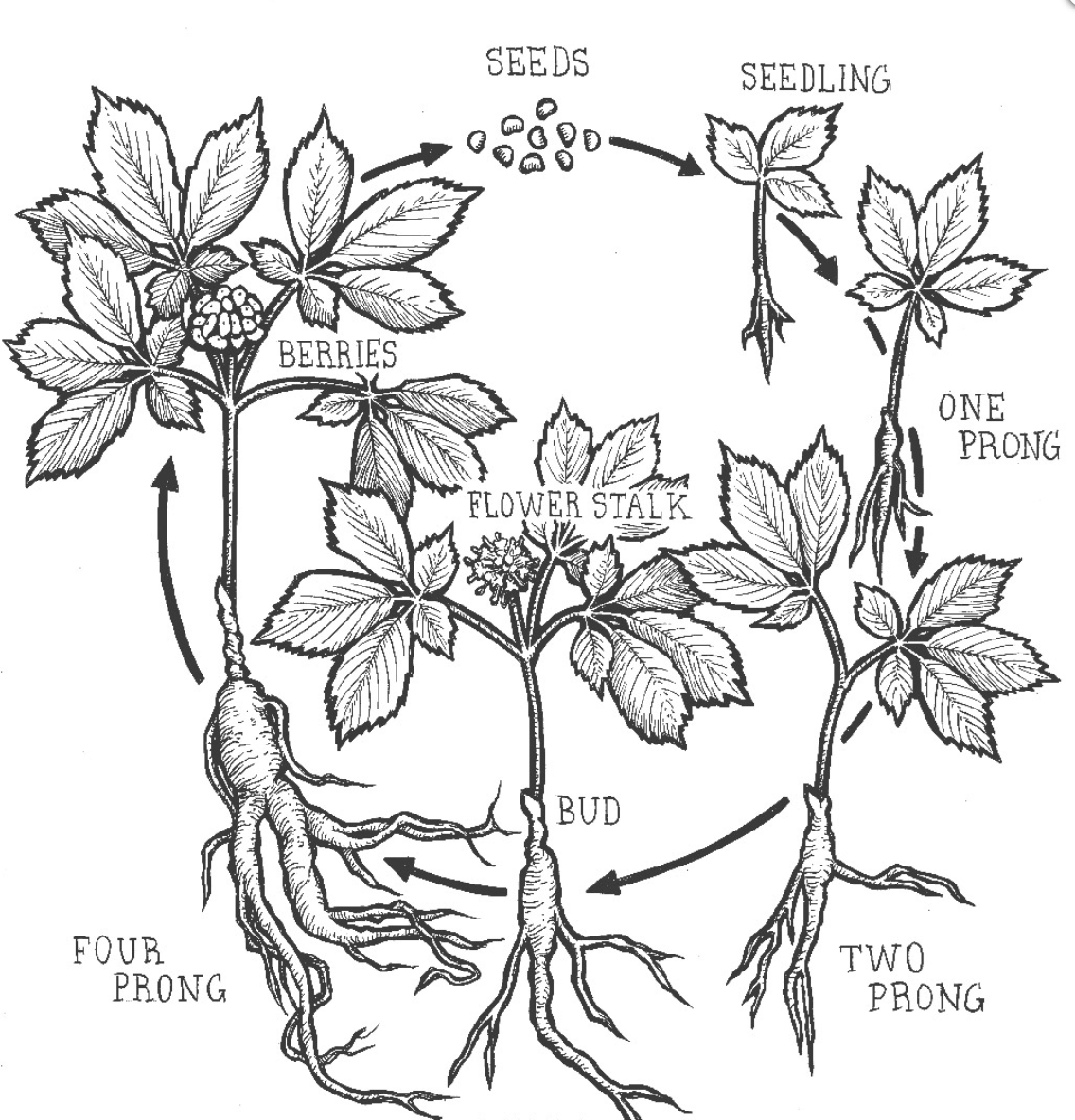
Ginseng Life Cycle
united plantsavers photo

Ginseng has many interesting characteristics: It takes 2 years for the seed to germinate. The plant grows very slowly. The first year, the seedling has only 3 leaves and the next year, it may get another leaf. By year three, it can have a full compliment of five palmate leaves.  A fist-sized root may take over six years to grow.

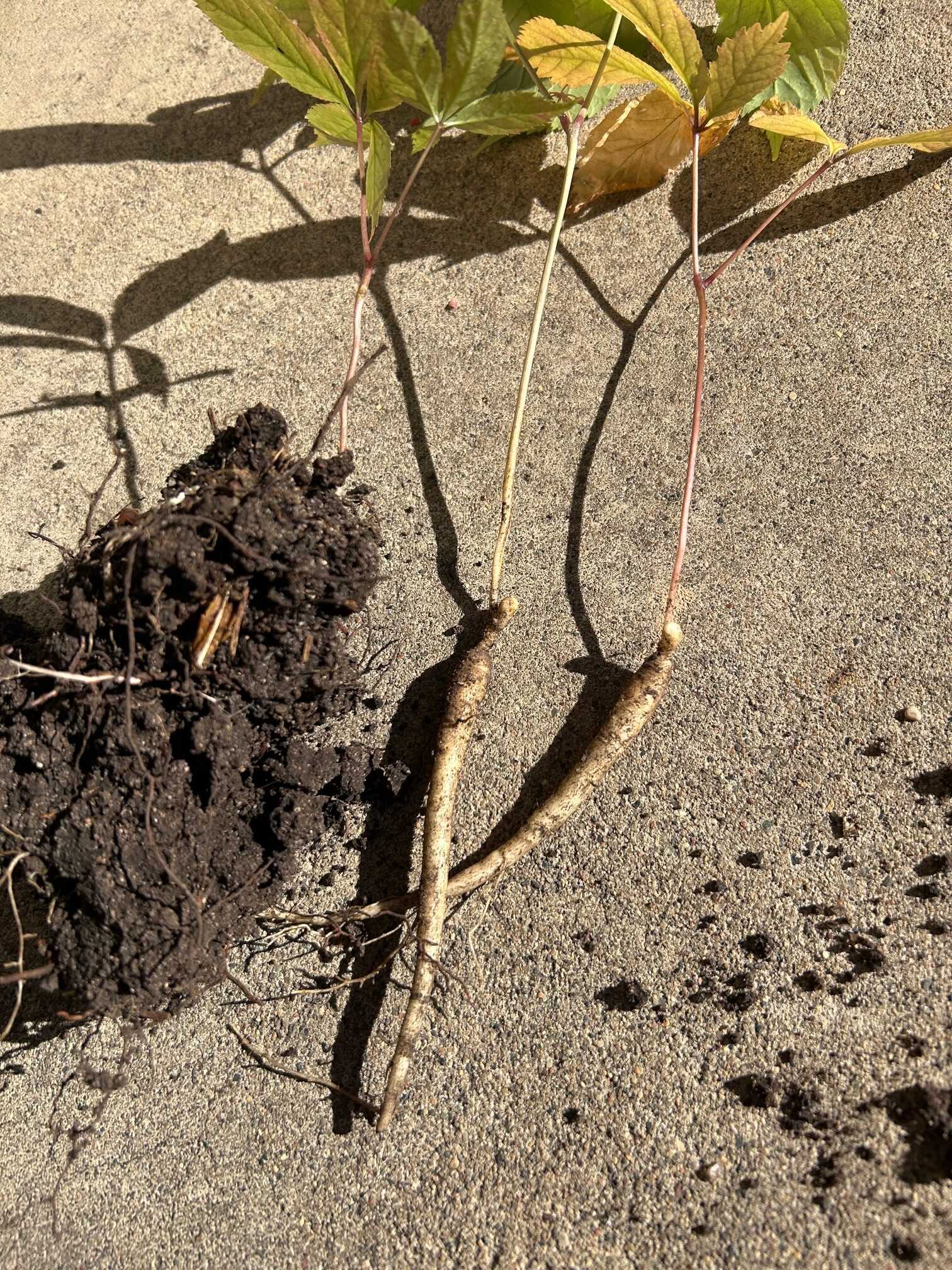
Three year old roots

Ginseng has been extirpated (locally extinct) from the forests where I live for over 160 years. Once I understood the horror of  “ginseng fever”, I began planting seeds and roots in our forests  hoping that ginseng will flourish again.

Six to eight year old roots

Posted in Uncategorized | 6 Comments

The Eye of the Whale

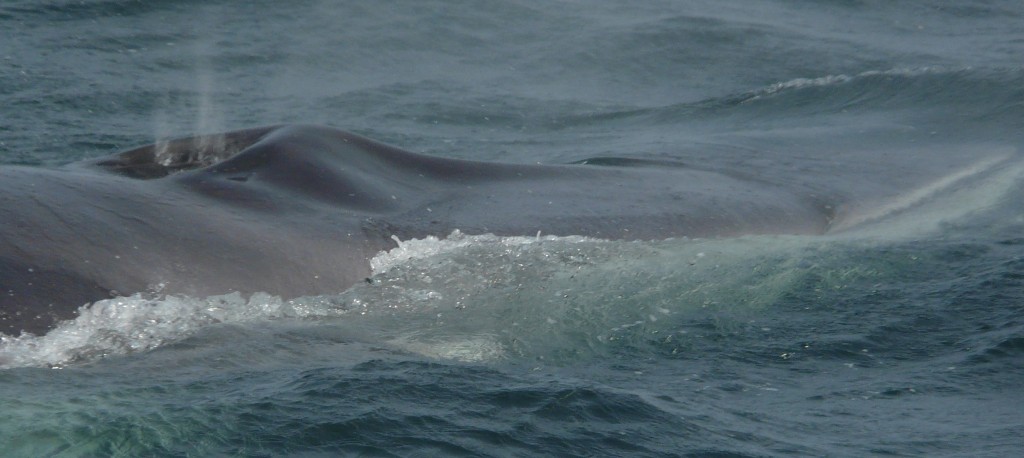
Fin Whale

Fin Whale – Stellwagon Bank, Massachusetts 2014.

It was 43 years ago that I was a whale researcher in the Gulf of St. Lawrence, Quebec, Canada. After 6 months of living and breathing whales for 16 hours a day, 7 days a week, I crossed over into dreaming about them. I had the following dream three times that summer.
I was standing at the estuary’s edge,
A fin whale swam right up to me
And lifted part of its head out of the water.
All I could see was its eye.

 This did not feel like an ordinary dream, but more like a vision. It was not so much about the eye, but more about the intensity that pierced the veil into another world. I had the feeling the whale was calling to me.

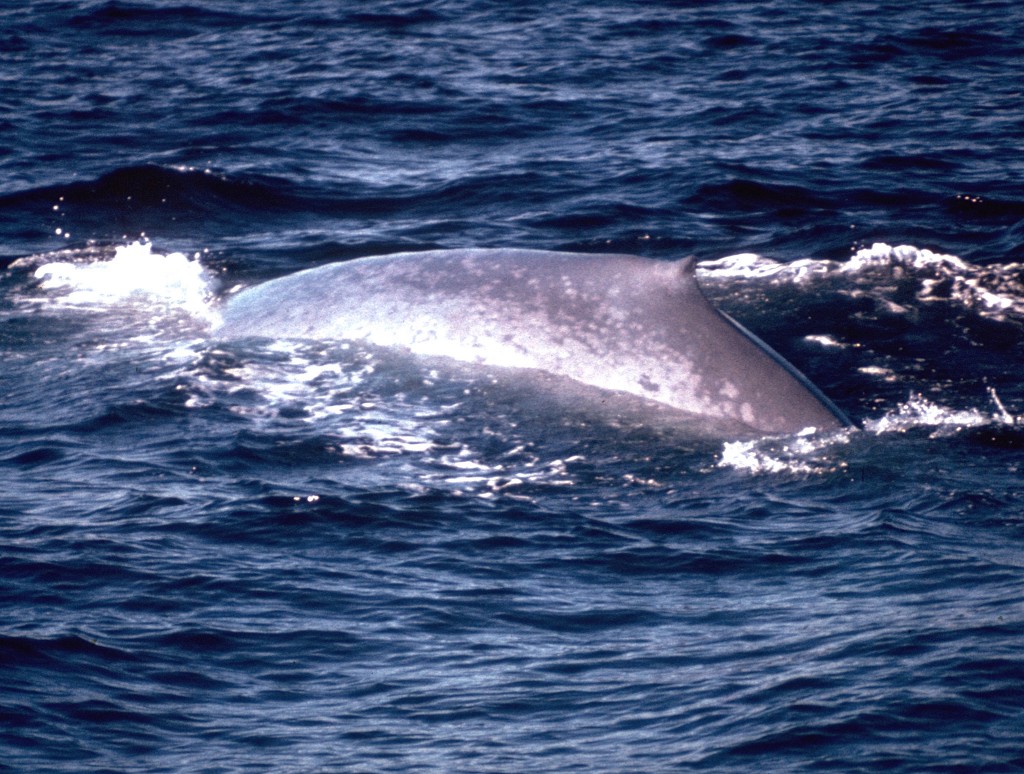
Blue Whale Eastern Tropical Pacific 1976.

Blue Whale Eastern Tropical Pacific 1976.

I continued working at sea for another four years. Then I started an educational organization called “Whales in the Classroom. To learn more about the Whales in the Classroom project go to:
http://oldnaturalist.com/?page_id=3045

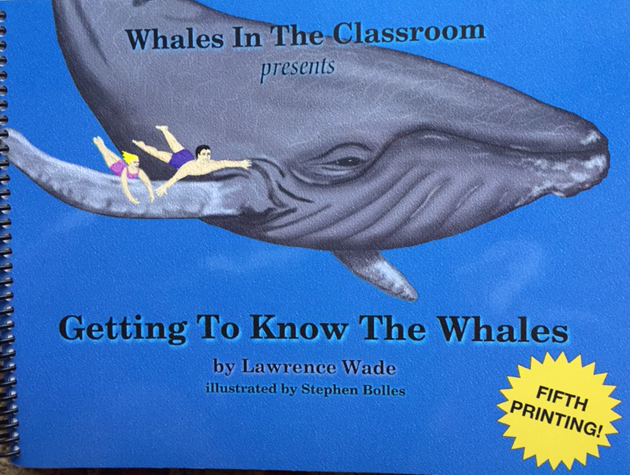
In order to stay connected to the oceans, I started sharing my oceanographic experiences with children in 1985. Nine years later after teaching all day and writing at night, I finished my two books, Getting to Know the Whales and Oceanography. I interviewed renowned whale biologist, Dr. Roger Payne, and one thing he said, I really connected with:

“….down deeper, whales are moving
with slow drifting currents
whales that are great, gentle, cloudlike beings”.

The whales were still with me, even though I was landlocked.

In 2013, I started saving to go to Antarctica. About a month before I left, I had the following dream:
The setting was before the whalers ever came to Antarctica.  I was a whale and the interconnection between all the whales was unlike anything I have ever known as a human. I was not only connected to other whales, but to all living things in the ocean. There was a real beauty in the flow between all the sea life. The movement of the currents and whale sounds were part of my daily life. I could feel the currents moving inside of me as well as in the ocean itself.

Antarctica is calling.....

Antarctica is calling…..

Whale try pots where whale oil was rendered.

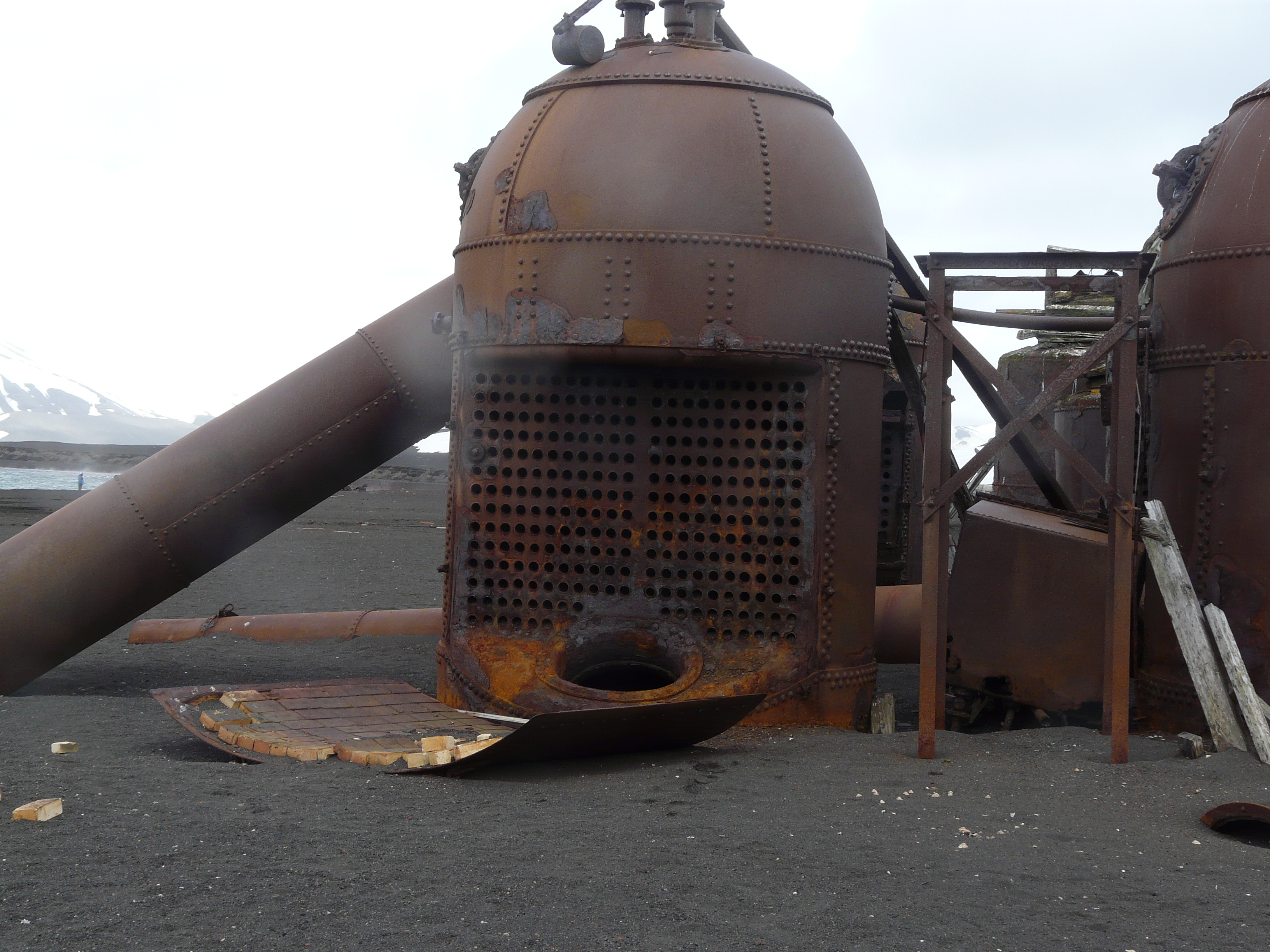
January 2016, I actually went to Antarctica with a group of spiritual seekers. During the trip, we visited two shore-based whaling stations established in the 1920’s or 1930’s. At Deception Island there were eight rusted ovens where the whale blubber was rendered into oil. When I realized, with horror, what I was seeing, my reaction was visceral and beyond words. I started crying uncontrollably. It was like walking through a World War II German death camp.

Whale bones at Whaler’s Cove

At Whaler’s Cove, we found a pile of large whale bones (probably blue, humpback or fin whales). One of the goals of our group was to “listen” to the land. For most of us it wasn’t hard to hear what the land was saying. From my perspective, there was agony on that beach. The agony of so many whale’s lives cut short. On the day of a whale kill, the beach and water around that cove must have been red with whale blood.

Whale bones litter the beach
Reminders of the genocide
So long ago.
Still, the air smells of agony
Humans breathe in the pain
And breathe out hope and caring
Tears fall to the sand
Removing the stain on the land
Healing
For whales and humans

 Since the 1970’s I have been aware of the Antarctic whalers who decimated the blue whale population in the early 20th century (over 200,000 blues were killed).

Sometimes, it is hard to be a human.
So much ripping apart of the whale tribes

I have carried this burden with me for 40 years, and I am finally free of it. Also, I feel that I had completed a cycle that began many years ago with the dream of the “Eye of the Whale”.

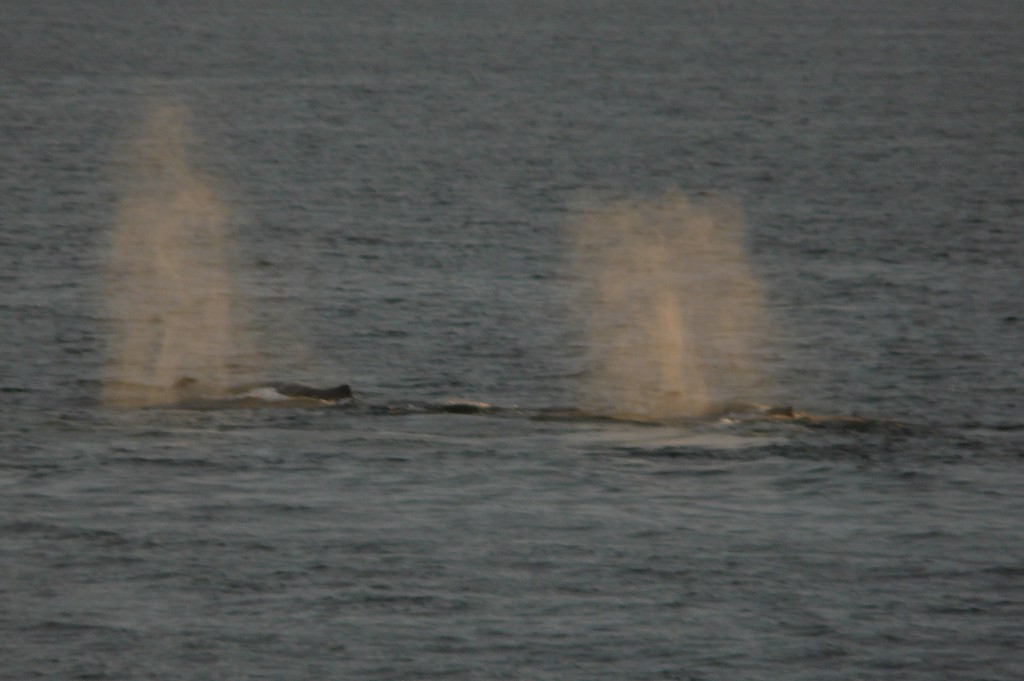
Humpback "blows" at Sunset

Humpback “blows” at Sunset, Antarctic Peninsula, 2016.

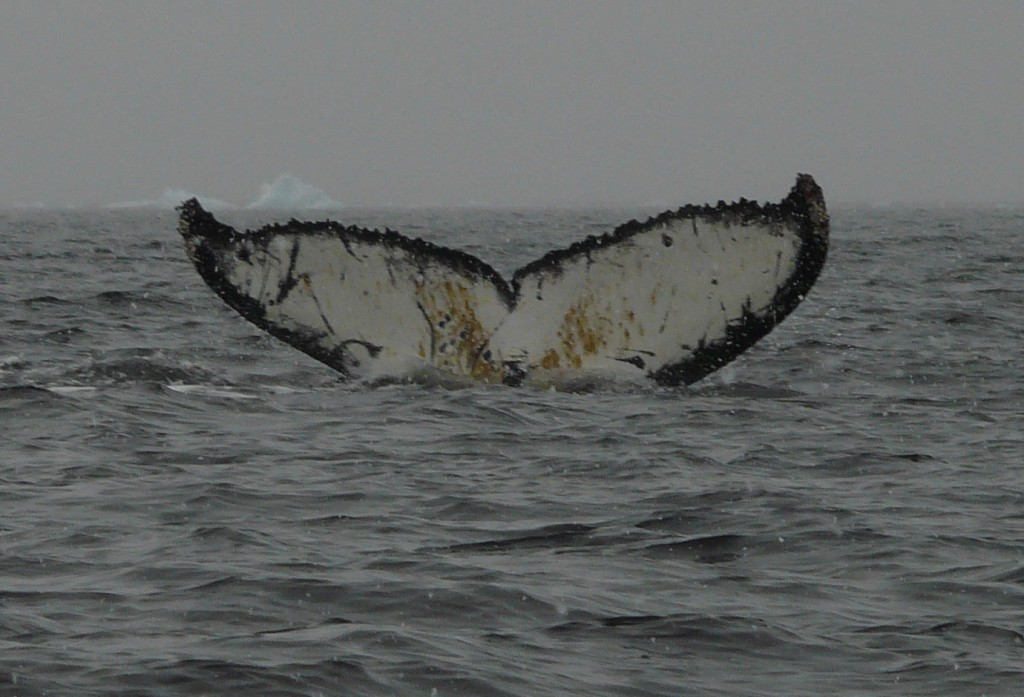
Lastly, that very evening, there were over 50 humpbacks within a half-mile of the ship. Many were right in front of the ship: bubble cloud feeding, tail lobbing, and fluking-up. It was a great celebration of life for whales and humans.

Humpback "fluke-up" Antarctic Peninsula, 2016.

Humpback “fluke-up” Antarctic Peninsula, 2016.


Posted in Nature Guardians, Whales & Oceanography | 17 Comments

Time of the Grasshoppers

Thanks to Amelia Ladd for her beautiful pen and ink sketches.

Time of the Grasshoppers   

Bush Katydid
photo by Lawrence Wade

For the past 20 years I have been working with 2nd graders studying grasshoppers. When you spend as much time as I have in the weeds looking for grasshoppers, their uniqueness and beauty goes right to your heart.

Grasshopper Life Cycle
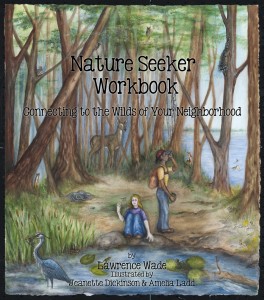
Nature Seeker Workbook

Late summer/early fall is the Time of the Grasshoppers. In the past month I have noticed that the number of adult grasshoppers/crickets in the neighborhood has increased dramatically. It has taken the whole summer for the hoppers to go through their life cycle and most are now adults.  In the spring, the eggs hatch, however, if the rains come before the eggs hatch, many get washed out. The young hoppers go through at least five nymph stages. During this time they cannot fly. The last stage of their lives, they “get their wings” becoming adults, and the singing begins.

Katydid
At the beginning of the post is  photo of a katydid. To hear a Katydid calling at night click on the highlighted  (Katydid) above.


Snowy Tree Cricket
Songs of Insects

One of my favorites is a night singer that calls from the trees, the snowy tree cricket.  It makes a continuous pulse, and is also called the “temperature cricket”, since the pulse changes with the temperature. You can figure out the outside temperature by counting the number of pulses in 15 seconds and multiply by 4, adding 32.

Snowy Tree Cricket calling at night.

The formula to determine the temperature from a snowy tree cricket is as follows:

________________   +   _____40_______   =  ______________
# of pulses in  15 seconds                                                    Temperature in Fahrenheit


Short -horned Grasshopper laying eggs
Nature Seeker Workbook


As soon as a hard frost hits, the “singing” drops from 100% to 0%. It is a shock and difficult to deal with emotionally since  it tells us that the seasons are changing. There is also a “quiet beauty” in knowing that the grasshoppers have completed their life cycles. The eggs resting in the ground, promise the continuation their species next year.


Carolina Grasshopper
Photo by Lawrence Wade


The Carolina grasshopper or locust is normally found on bare ground. It is one of our largest grasshoppers in Minnesota (2-3 inches long). They are easily identified when they fly because they have black wings.


Male Meadow Grasshopper calling from the grassland.
photo by Lawrence Wade


Female Meadow Grasshopper showing her sharp ovipositor at the end of the abdomen.
Nature Seeker Workbook


Meadow grasshoppers are found in tall marsh and prairie grass. The males make a repetitive buzzing sound in the grass during the day. The females are attracted to the sound. After they mate, the female will lay her eggs in a blade of grass  using her knife-like ovipositor.


Meadow Grasshoppers calling in the weeds during the day.

Grasshopper Predators

Argiope or Garden Spider
photo by Lawrence Wade


The Argiope spider is a predator on grasshoppers and I often see them in weeds. They make a beautiful web up to 3 feet across.  Grasshoppers that fly/jump into the web are quickly wrapped up and mummified by the spider. The female Argiope is 4 times larger than the male.


Leopard frog
Photo by Lawrence Wade


The leopard frog is also a predator on grasshoppers and other grassland insects.


Grasshopper Laboratory


Download the Grasshopper activity pages from Nature Seeker Workbook
GrasshopperActivitySheet copy

Reader Bob Bigham added the following comment about grasshoppers:

“While growing up in Pinckneyville , Illinois we would go bug hunting and grasshoppers was one of our favorites. they would “spit tobacco juice” if we held them too tight. One day we flipped one over and it had a bright red hour glass on its belly, just like a black widow.”

Reader Becky Knickerbocker shared the following story:

Yesterday I was sitting outside on the patio at Chapel View Home in Hopkins. I was visiting with a 96 year old blind woman in a wheelchair. The sun was warming us and we were talking about the plants and animals I could see. Birds were singing, bees were buzzing, crickets were chirping, and squirrels and chipmunks were running past us with nuts in their mouths. All of a sudden a grasshopper landed on her knee. She said, “Oh, how fun. I like it. Don’t shoo it away. I can feel it!”

Posted in Insects | 3 Comments

Fish Whisperer


Muskie

Muskie

First snorkel
holding onto a rock in the rapids
A large muskie swam up and rested beside me
Ecstatic
wondered if I should be panicked.
Hoped that I was not wearing anything shiny
that looked tasty to a muskie.

Bullhead

Welcome to the underwater world.

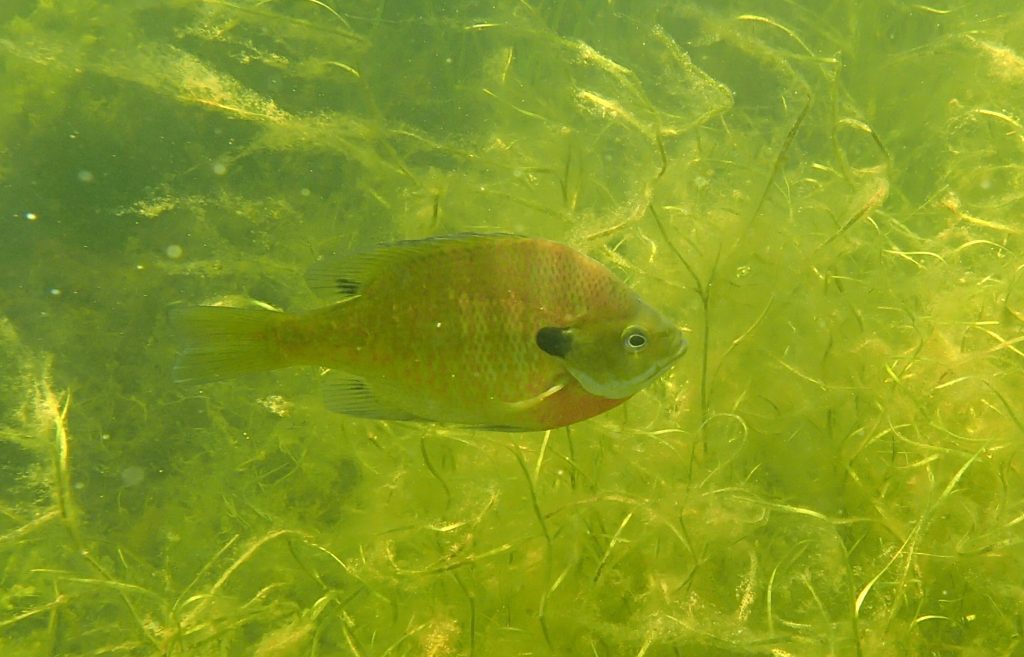
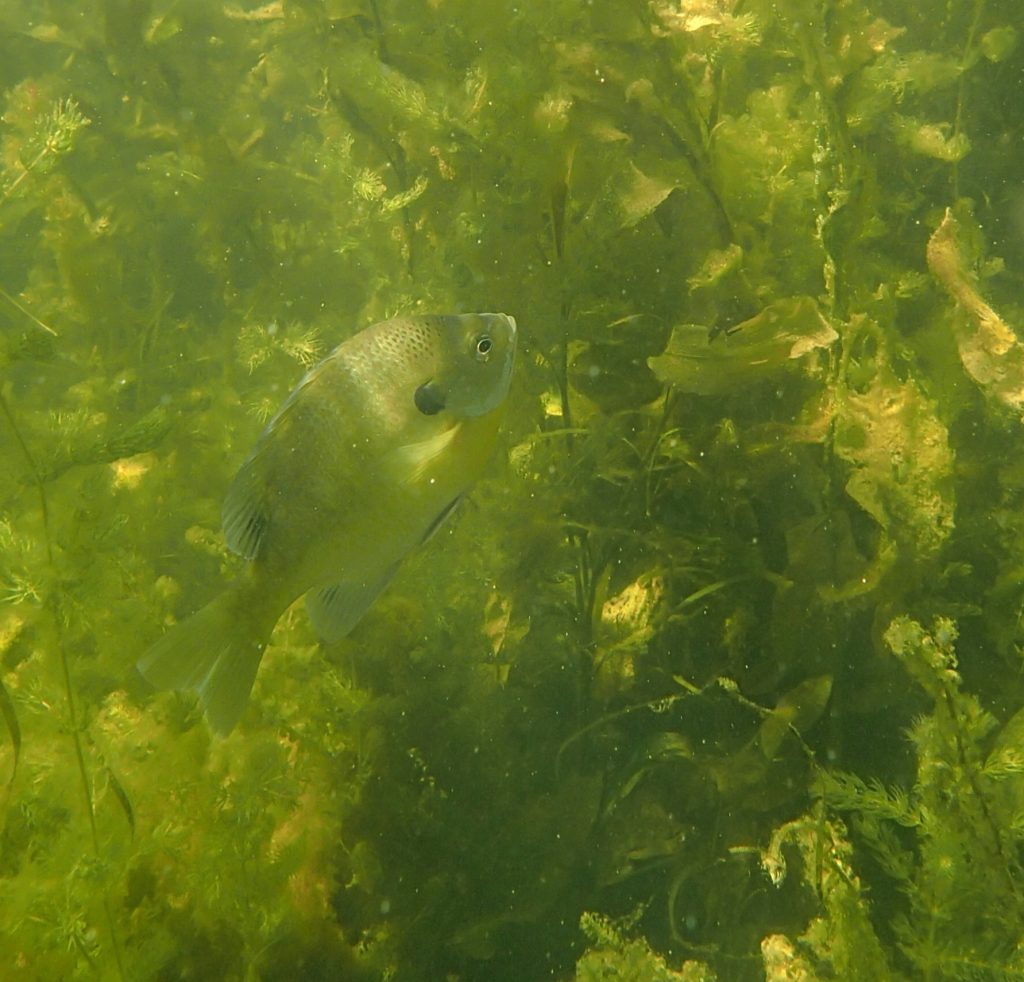
a curious male bluegill

Be open to the unknown. Beauty and the mystery awaits you.

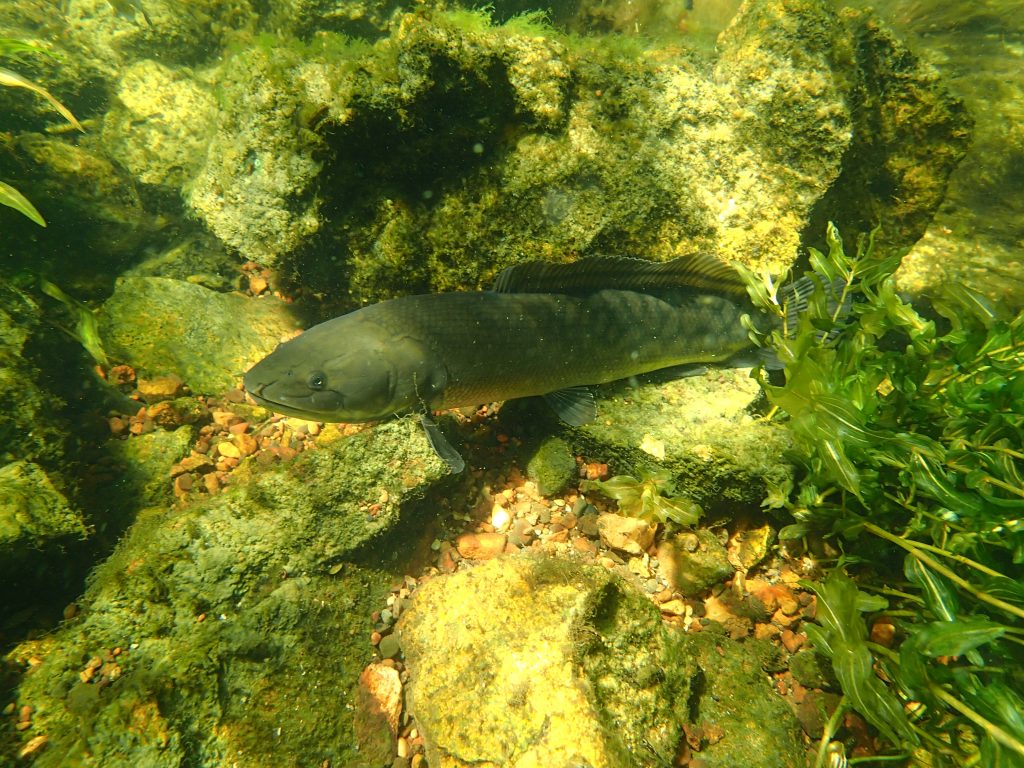
Bowfin or dogfish, a bottom feeder. Primitive, creepy and beautiful.

Bowfin or dogfish, a bottom feeder. Primitive, creepy, yet beautiful.

Life abounds,  a spiritual connection with the water beings.

This painted turtle swam right up to me. I thought it was going to bite my nose.

This painted turtle swam right up to me. I thought it was going to bite my nose.

The lake water is part of you now.
The water inside your body
may have once been part of the lake.

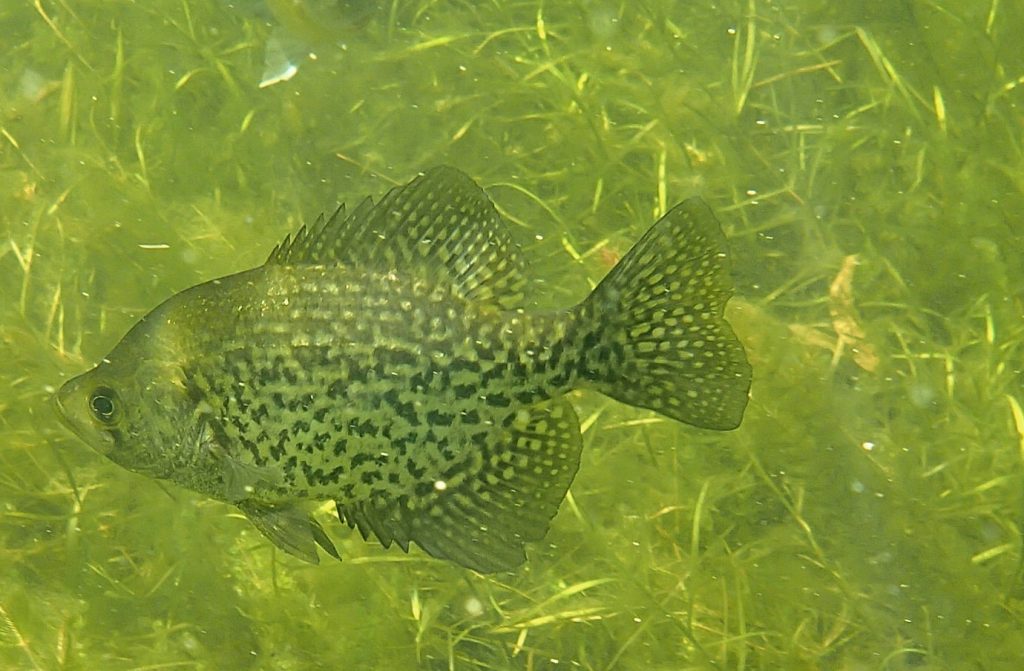
How could anyone name such a magnificent creature “Crappie”?

A tip on photographing fish
Don’t be a predator and chase it
Become part of the water and the weeds
Wait for the fish to come to you.

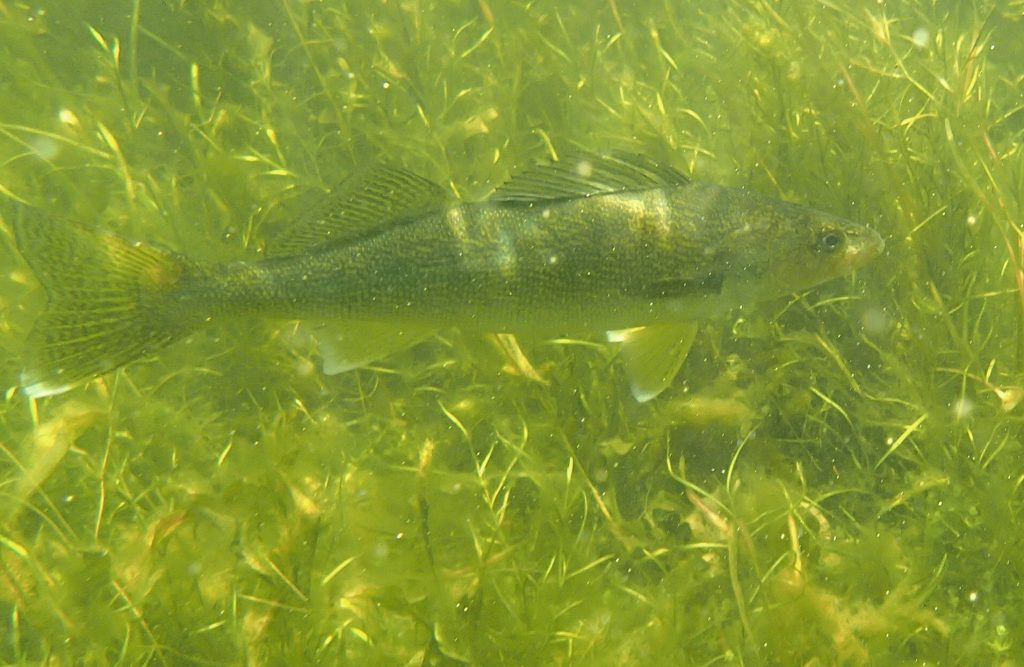
Walleye swimming in deeper water

Light changes constantly
Depending upon the clouds and the wind.
It dances on the plants and the fish,
Creating a hypnotic connection.

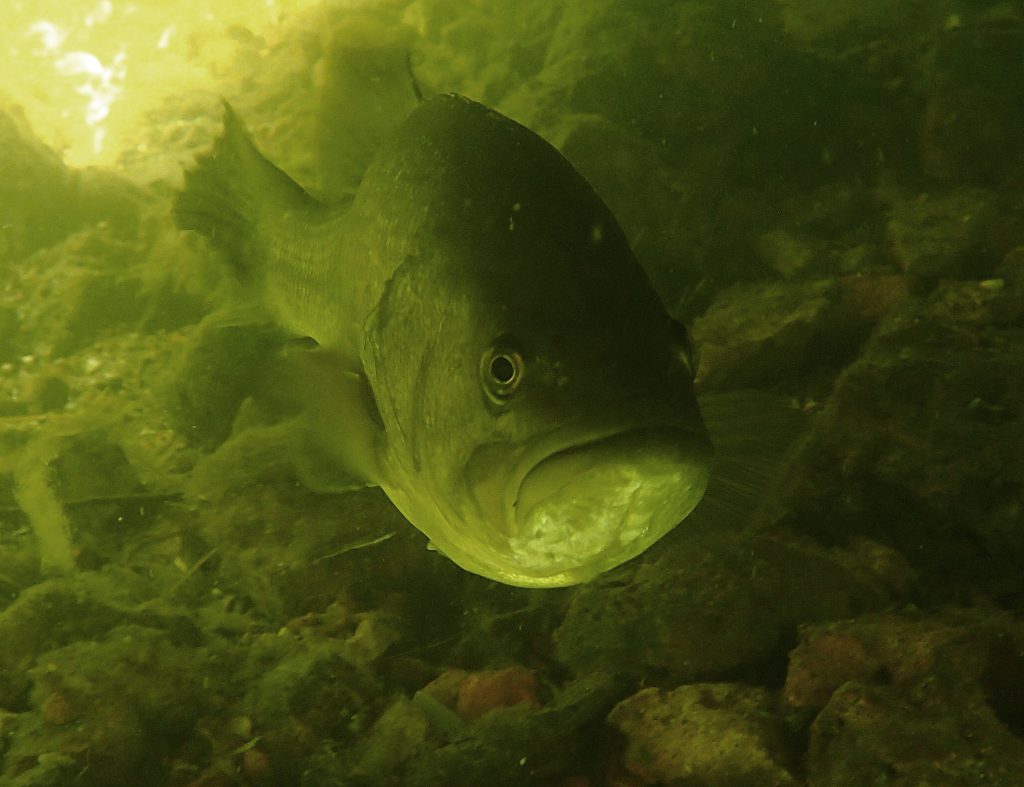
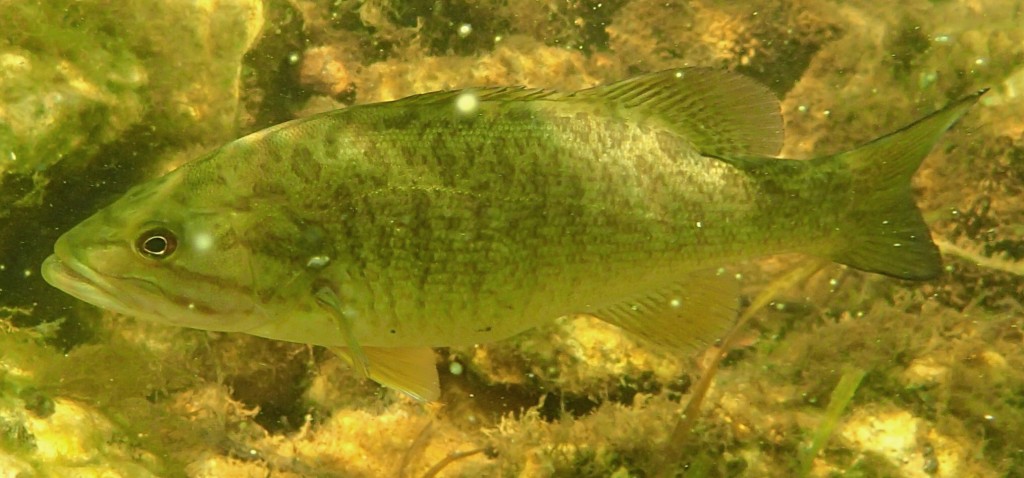
Largemouth

Largemouth bass

Sometimes you see things that makes you thankful to be alive
And you stop breathing
Because you are afraid the experience might end.

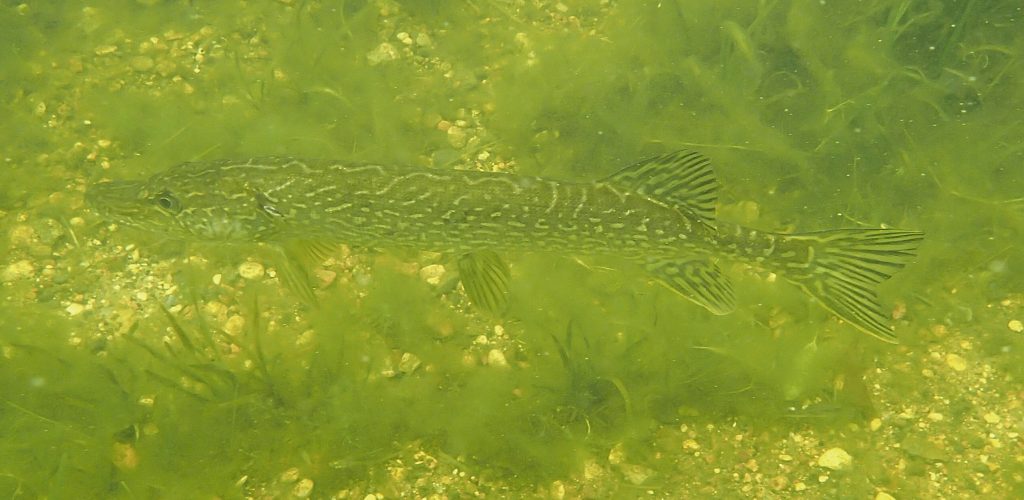
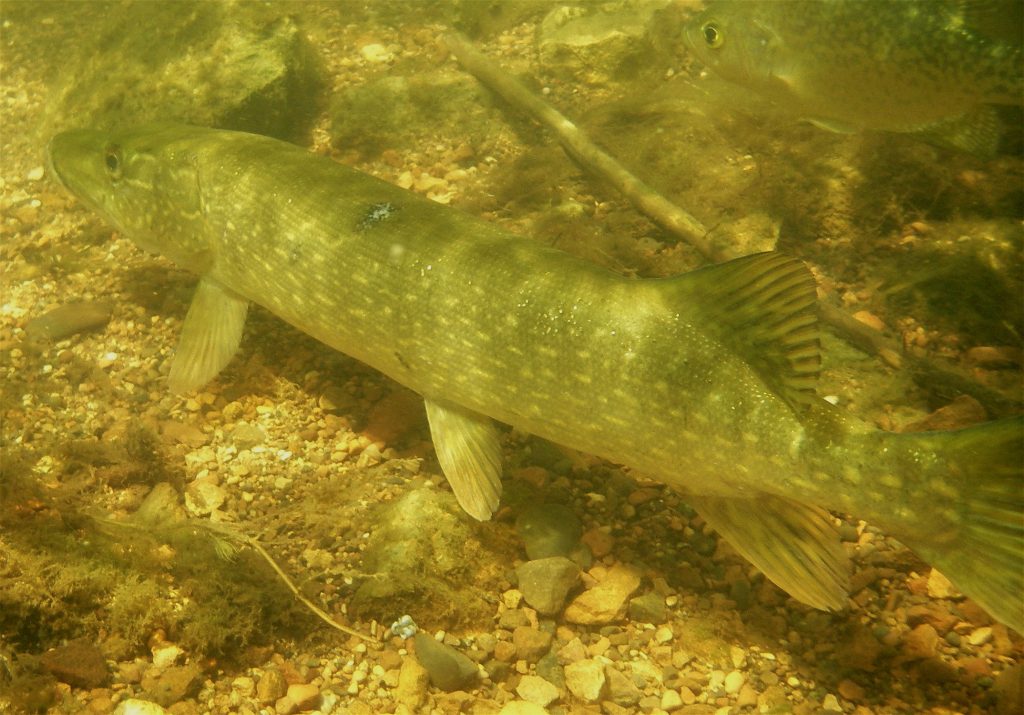
Northern Pike

Northern Pike

My first large northern pike.
Inching my way slowly towards it.
Hoping it would stay just one more second.
Making promises that I could never keep.
Awed by its tremendous power and elegance.


Water Lily

Water lilies
magical living beings
Connected to all the elements of life.
Their roots are in the earth
Growing in both water and air.
The sun is needed for life

Largemouth Bass

Largemouth Bass

This bass sashayed past me and let me know, it was the king or queen of the neighborhood.

OLYMPUS DIGITAL CAMERA

Muskie

Swimming out into the hinder lands
Turned to see a muskie following.
It circled once and then swam off.
Humbled to experience the raw wildness of nature
And how it feels to be something’s prey.


Posted in Animals, Connecting to Nature | 13 Comments

Teach me How to Be a Forest

Ancient Sugar Maple
Photo by Janine Pung

Most humans walk by us and think, “It is just a tree.” But a few humans stop and listen and realize we are so much more than “just a tree”.

Listening to trees
Consider this a “mindfulness” activity that includes a tree. Many people “talk” to trees, but in doing this activity, you will be learning how to listen to the trees.

  • Find a place that has a sense of wildness with some big trees
  • Find a tree that you are drawn to
  • Choose a place where you feel safe and will not be disturbed
  • Slow down your energy – pay attention to your breath
  • Be present – quiet the self-talk and chatter
  • Ground – Feel your roots and let them mingle with the roots of the tree
  • Listen to your heartbeat and let the tree join with your heartbeat
  • Inhale Oxygen – a gift from the tree / exhale CO2  – a gift for the tree
  • Listen with your whole body, not just your ears
  • Listen without expectations – let your mind be a clean slate
  • Listening can come to you in feelings, colors or sounds inside of your body and it may not be in words
  • Learning how to listen is a skill that needs to be developed over time

Red Oak snag
photo by Janine Pung

Teach me how to be a forest – A human asks an old red oak snag –  “Why is it you seem so alive, when you are dead?”
We don’t think or live like you do. You think when something “dies”, it has no more life. Nothing actually “dies”, but is part of a continuum that is in constant change. There is no end or beginning.

Photo by Janine Pung

Teach me how to be a forest
Put down your phone. Don’t be afraid to open yourself up and receive. Trust the deep connection being created, for it is within this space that you will fully experience what you see, hear, feel and sense.

Blue Dasher
Photo by Janine Pung

Teach me how to be a forest  – You have to let go of the “I” and be part of the “We”.

False Solomen Seal Fruit.
Photo by Janine Pung


Teach me how to be a forestWhen you touch one of us with an open heart, you touch the whole forest.

photo by Heather Frary
Fiona’s Tree

Teach me how to be a forest  –  You have to let go of  your dead wood.

Tree Wound
Photo by Janine Pung

Teach Me How to be a Forest –   You can heal from your wounds.  All you need is within you.

Jack O’Lantern – Highly poisonous
ID by Ron Spinosa
Photo by Janine Pung

Teach me how to be a forest – Be deeply rooted to the planet and connected to the sky at the same time.


Photo by Janine Pung

Teach me how to be a forest     You will find freedom in embracing uncertainty.

Teach me how to be a forest  Just like all things in this forest, you have a right to exist.

Teach me how to be a forest   I love being out there—connecting to trees and discovering quiet beauty in the most unexpected places (Janine Pung)

Photo by Lawrence Wade

Teach me how to be a forest  –  Slow down. Walk and breathe with the forest inside of you.  Become One with us.

Reader Dale Antonson shared the following:
Connecting to the trees creates an awareness of the timeless life that exists all around us.  It’s important take the time to get out of our own way and connect ourselves back to the energy of the soil.

Performing ‘Healing Touch’ on an ancient Bur Oak that suffered major trauma in 2014.
Photo by Dale Antonson

 If this posting resonated with you, I would highly recommend, Finding the Mother Tree by Susan Simard. Dr. Simard is a forest ecologist whose research has shown how interconnected and conscious trees are .

At a forest clear cut, Simard writes, “The beauty is that with a little momentum, a little help at this site, the plants and animals will come back. They’d make the forest whole again, help it recover. The land wanted to heal itself.”

Posted in Connecting to Nature, Nature Guardians, Photography/Art | 12 Comments

Frogs, Frogs, Frogs

The parade of frogs to the breeding ponds begins soon after the ice is out (usually after April 15th), as they fulfill their yearly mating ritual. In the spring I try to spend as much time as possible in the local frog ponds. Although it may seem gross to be slogging around a mucky pond, it is actually very healing. It is a world unto itself:  the frogs calling; dragonflies darting around; and red wing blackbirds calling from the cattails.  All you need is a decent pair of waders or rubber boots and a walking stick to keep from falling in the water.

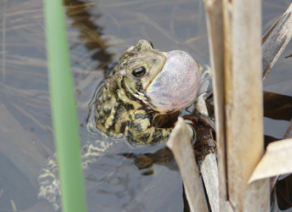
 American Toad – One of the dominant night sounds in May is the calling of the toads. I often have my window open, so I can be lulled to sleep by the trilling of the toads.


Listen:


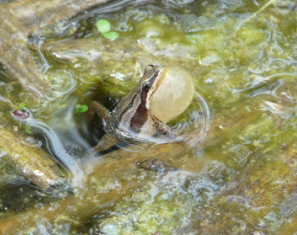
Chorus Frogs – The chorus frog is about 1/2 inch in size. The sound can be deafening when they are calling. However, they are very difficult to find if you are searching for them. Chorus frogs have also been called “cricket frogs” because their call resembles crickets.


Listen
:

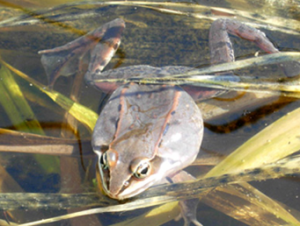
Wood Frog – The wood frog is  2-3 inches, brown with a black eye line. They are a woodland frog that spend the winter in the leaf litter. They freeze solid over the winter, but their internal organs are protected by glycol, an antifreeze chemical. This frog is usually the first to visit the breeding ponds. They are very quick breeders, often only staying at the pond for two weeks. While breeding, the males aggressively move about their territories. The male’s call is a “clucking” type sound, similar to a chicken.

Listen:


Gray Tree Frog – The gray tree frog can change colors from gray to green depending on its surroundings. They are two inches in size and have small suction cups on their feet which allows them to climb on windows and in to the treetops (over thirty feet).
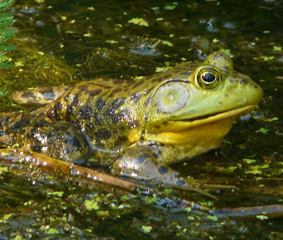
Gray tree frogs overwinter under leaves on the ground. Their body completely freezes like an ice cube or “frog cube”. The frog survives by filling major body organs with an “anti-freeze” substance.

Tree frogs breed in mid-May in woodland ponds. After leaving the ponds, they feed on insects living in shrubs and trees.

Listen:


Bullfrog – Bullfrogs can reach up to eight inches and are the largest frog found in Minnesota. Bullfrogs are a game species and are hunted for their tasty legs. They do not naturally occur in the Twin Cities, but have been introduced in many areas of the state.
Bullfrogs breed later than most frogs, in June and July. The call of a male bullfrog sounds like someone plucking a banjo string. Tadpoles take one to two years to metamorphose. Young frogs take 2-5 years to develop into adults.

Bullfrogs are rarely found far from water. They will eat any of the native species of frogs and have caused the population of native frogs to be lower in areas where the bullfrog has become established. Bullfrogs will eat anything that they can fit into their mouths, including: worms, insects, small turtles, snakes, bats, mice, and ducklings. Predators on bullfrogs are raccoons, mink, pike, bass, and humans.

Listen:


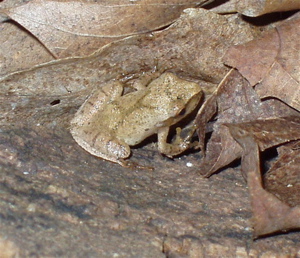
Spring Peeper- Spring peepers are the smallest frogs in our state. They are approximately one inch in size. They are brown in color and have a distinctive “X” on their back. Peepers are woodland frogs and are uncommon in the Twin Cities because they like a natural setting without humans. Housing developments and roads have caused spring peeper populations to be reduced because of loss of habitat.
In the spring, peepers come to the ponds and make a “peeping” call that sounds like a chick. A pond full of spring peepers calling can be overwhelmingly loud.

Listen:


Leopard Frog – The leopard frog is the most well known of all Minnesota frogs. It is a large green frog, three to four inches in size, with many black spots. Leopard frogs are exceptional jumpers.

Leopard frogs spend the winter buried in the mud in lakes. When the ice thaws, leopard frogs migrate to their breeding ponds. Many are killed as they cross roads at this time of year.

They begin breeding in late April. The males make a low snoring call to attract females. Leopard frogs complete their breeding in only two to three weeks, but remain near the water or in wet meadows throughout the summer.

Leopard frogs feed on insects and worms. Herons, raccoons, snakes, and owls feed on leopard frogs. Humans use leopard frogs for fishing bait, and many are killed by mowers and cars.

Listen:

Posted in Connecting to Nature, Spring | 2 Comments